EN
EN

Speed of Deployment: How Container Temporary Housing Delivers Rapid Occupancy
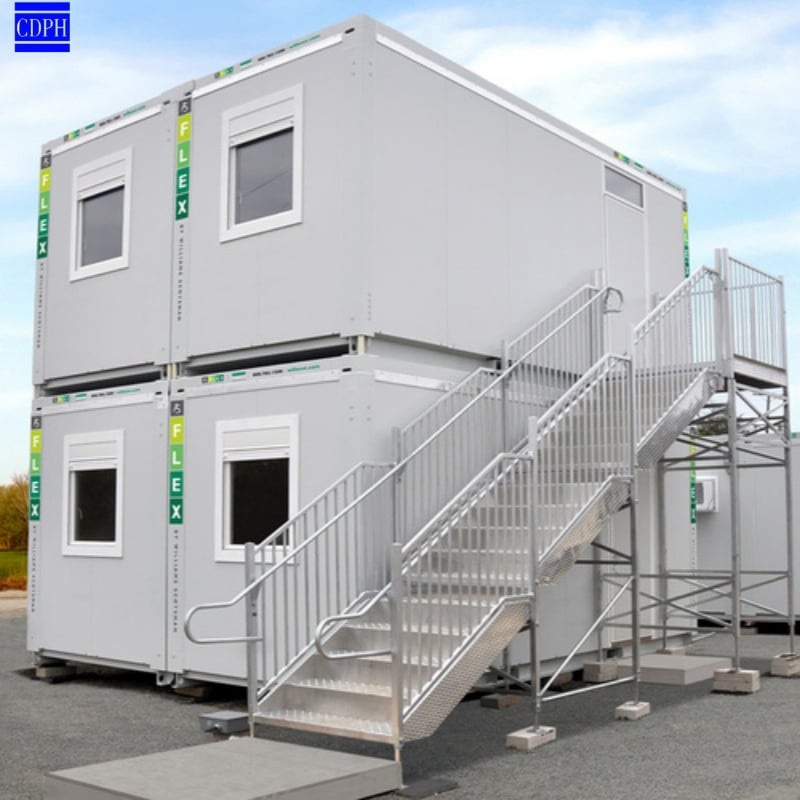
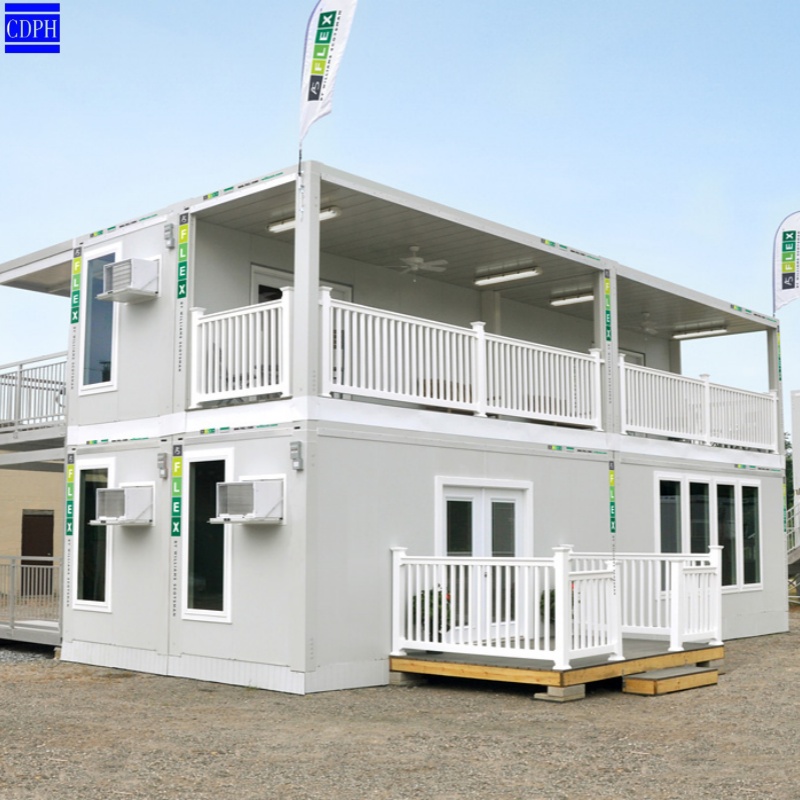
Container temporary housing is widely used because it can be delivered and installed much faster than many traditional building methods. For projects that need immediate shelter, temporary accommodation, or fast operational space, container-based solutions offer a practical way to achieve rapid occupancy without waiting through a long conventional construction cycle. Speed of deployment is one of the main reasons these systems continue to gain attention across emergency response, workforce housing, and temporary project needs.
Time-to-Occupancy Advantages Compared with Traditional Construction
One of the biggest benefits of container temporary housing is the short time required to bring units into use. Because much of the work happens in a factory environment before the units arrive on site, the overall process is much more efficient than building everything from scratch in the field. This helps reduce delays and makes planning more predictable.
Unlike conventional construction, container housing does not rely on every stage being completed sequentially on site. Instead, many components are prepared in advance, which allows installation and site work to move forward more quickly. This makes container temporary housing especially useful in situations where time is critical, such as disaster response, remote projects, or short-term accommodation programs.
Pre-Fabricated Efficiency: Pre-Wired and Pre-Plumbed Units Reduce On-Site Labor
A key reason container housing can be deployed quickly is that the units are often built with major systems already integrated. Electrical wiring, plumbing, and HVAC elements can be planned and installed during fabrication, which reduces the amount of work needed after delivery.
This factory-based approach helps limit weather delays, reduce field coordination issues, and lower the amount of on-site labor required for final assembly. As a result, container temporary housing can be installed in a more controlled and efficient way than many traditional building methods. For many projects, this is a major advantage because it helps teams move from delivery to occupancy with fewer interruptions.
Scalability of Temporary Modular Buildings Across Use Cases and Volumes
Modular Expansion Through Stacking, Interconnecting, and Reconfiguration
Another major strength of container temporary housing is scalability. These systems can often be expanded by stacking or connecting multiple units together, allowing projects to grow as needs increase. This makes them suitable for both small and large deployments, depending on the purpose of the project.
Because the units are built around standardized structural interfaces, they can often be arranged in different layouts without requiring major redesign. This flexibility makes container-based housing well suited to projects that may need to start small and expand later, or that need different space configurations as operations change.
Adaptable Design for Medical Facilities, Workforce Housing, Offices, and Logistics Hubs
Container temporary housing is also valuable because it can serve many different functions. A single modular platform can often be adapted for offices, dormitories, medical spaces, storage areas, or other temporary facilities. By adjusting the interior layout and building features, the same basic structure can be used in a wide range of settings.
This adaptability makes container housing especially useful for organizations that need fast, functional space but do not want to build a new structure for every different use. Whether the goal is temporary housing, a field office, or a logistics support center, modular systems provide a flexible foundation that can be customized for the task at hand.
Balancing Speed and Scalability with Compliance and Performance
Fast deployment is important, but it still needs to be balanced with compliance, comfort, and long-term performance. Container temporary housing must be planned carefully to ensure that it meets local building requirements and provides a safe, usable environment for occupants.
Thermal performance, weather resistance, and material durability are all important considerations. When a project is moving quickly, these details need to be addressed early in the design process so that speed does not come at the expense of quality. With good planning, modular temporary buildings can deliver both rapid installation and reliable performance.
Real-World Validation: Disaster Response and Mission-Critical Deployments
Container temporary housing is often used in urgent situations where immediate shelter is needed. Disaster response, emergency accommodation, and mission-critical operations all benefit from building systems that can be delivered and assembled quickly. In these cases, container-based solutions help provide practical living or working space when time is limited and conditions are challenging.
The strength of this approach lies in its ability to combine speed, standardization, and adaptability. By preparing units in advance and coordinating delivery efficiently, temporary modular buildings can support rapid recovery efforts while still offering a functional and durable environment for occupants.
FAQ Section
What is container temporary housing?
Container temporary housing utilizes pre-manufactured modular structures to provide rapid shelter solutions in situations like emergency response, workforce accommodations, or large-scale events.
How quickly can container temporary housing be deployed?
Occupancy can be achieved in as little as 72 hours, which is significantly faster than the 6–12 months typically required for traditional construction methods.
What makes container housing faster to deploy?
Pre-fabricated units are shipped fully equipped with pre-installed wiring, plumbing, and HVAC systems, reducing on-site labor by up to 60% and bypassing delays commonly associated with traditional construction.
Can these units be customized for different purposes?
Yes, the modular design allows for easy customization, with configurations adaptable for healthcare hubs, offices, dormitories, or even distribution centers.
How scalable are these temporary housing solutions?
Container-based temporary housing can be rapidly scaled, with the ability to deploy 1,000+ units in under three weeks using modular stacking and clustering techniques.
How do container housing solutions ensure compliance and durability?
Early regulatory engagement, strategic material selection, and rigorous QA processes ensure compliance with building codes and long-term resilience of structures.
Table of Contents
- Speed of Deployment: How Container Temporary Housing Delivers Rapid Occupancy
- Time-to-Occupancy Advantages Compared with Traditional Construction
- Pre-Fabricated Efficiency: Pre-Wired and Pre-Plumbed Units Reduce On-Site Labor
- Scalability of Temporary Modular Buildings Across Use Cases and Volumes
- Real-World Validation: Disaster Response and Mission-Critical Deployments
-
FAQ Section
- What is container temporary housing?
- How quickly can container temporary housing be deployed?
- What makes container housing faster to deploy?
- Can these units be customized for different purposes?
- How scalable are these temporary housing solutions?
- How do container housing solutions ensure compliance and durability?