EN
EN

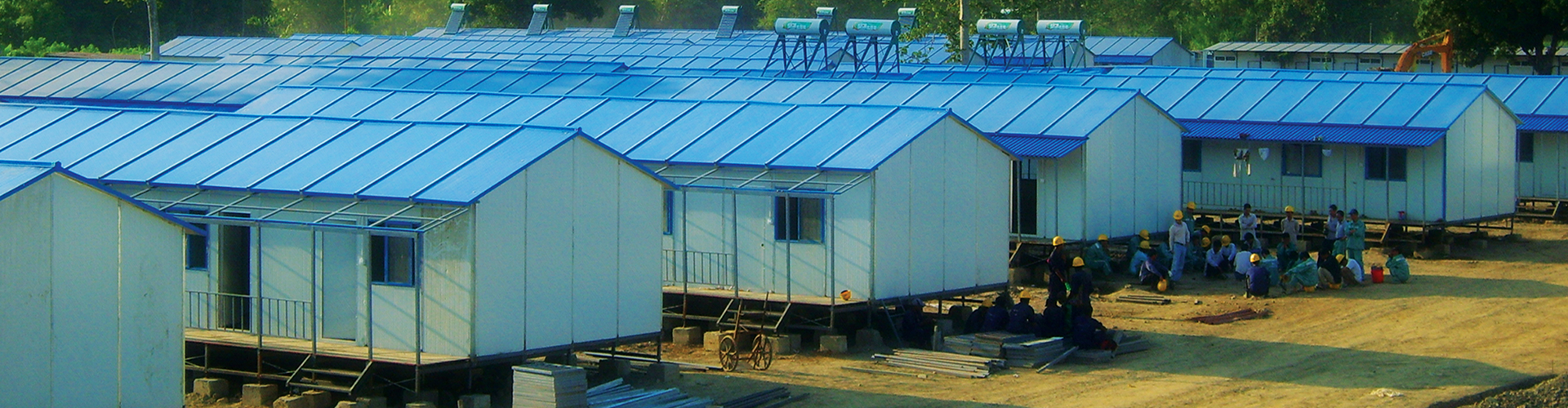
Defining Core Differences: Prefabricated K House vs. Modular Dormitory Buildings
Although prefabricated K houses and modular dormitory buildings both rely on off-site construction, they are designed for different project goals. A K house is usually a simpler prefabricated solution focused on fast setup, low site requirements, and short-term use. A modular dormitory building, on the other hand, is typically built as a more complete and integrated housing system intended for longer-term occupancy, stronger performance, and greater comfort.
The key difference lies in how each system is assembled and used. K houses are generally suited to quick deployment with a straightforward structure, while modular dormitories are built from more complete volumetric units that often include finished interiors and integrated building systems. This makes modular dormitories better suited to more demanding applications where durability, code compliance, and occupant well-being are important.
Project Drivers That Favor a Prefabricated K House
Rapid Deployment for Temporary or Semi-Permanent Worker Housing
Prefabricated K houses are often the right choice when speed is the top priority. They are commonly used for temporary worker housing, emergency accommodation, remote project sites, and seasonal operations where quick installation is more important than long-term permanence.Because the structure is relatively simple, a K house can often be prepared and installed quickly with limited site work. This makes it a practical option for projects that need basic housing or office space without a long construction timeline. For companies or organizations that need to move fast, K houses provide a convenient and cost-conscious solution.
Cost-Sensitive, Short-Term Projects with Minimal Site Infrastructure
Another reason to choose a prefabricated K house is cost control. These structures are often designed to keep construction and installation requirements simple, which can help reduce overall project expenses. They are especially useful when a project has a limited budget or is expected to last only for a short period of time.K houses are also attractive because they can often be relocated or reused after the initial project ends. This flexibility helps reduce waste and makes them suitable for projects where a temporary but functional building is needed. When low upfront investment and quick deployment matter most, a K house is often the more practical choice.
Project Drivers That Favor Modular Dormitory Buildings
Longer-Term Occupancy, Regulatory Compliance, and Enhanced Livability Requirements
Modular dormitory buildings are generally a better fit when the project requires long-term use, better indoor comfort, and stronger regulatory performance. They are often chosen for student housing, workforce accommodation, military housing, or other projects where residents will live in the building for an extended period.
Because these buildings are made from more complete modular units, they can support better interior quality, more consistent construction, and stronger long-term performance. Features such as improved insulation, noise control, and more durable finishes make modular dormitories a stronger choice when occupant comfort and building quality are top priorities.
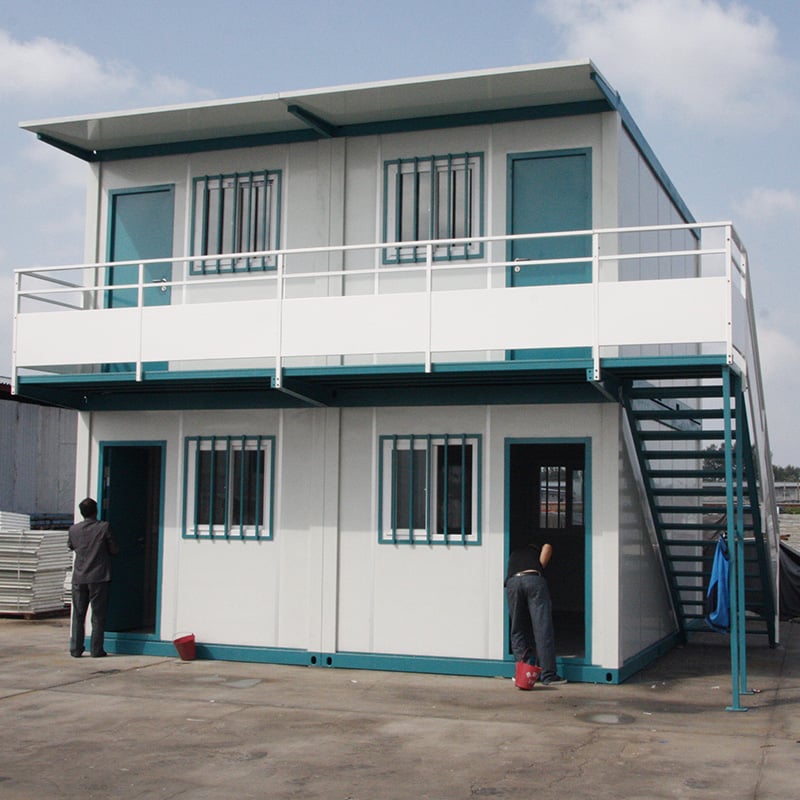
Urban, Harsh-Climate, or High-Safety Environments Requiring Greater Performance
Modular dormitory buildings are also well suited to more demanding environments. In urban sites, extreme weather conditions, or safety-sensitive applications, these buildings can offer more dependable performance and a higher level of build quality.Their factory-based construction helps support more consistent results, while the modular system can be designed to meet different site and climate requirements. For projects where safety, durability, and long-term functionality are important, modular dormitories provide a reliable and adaptable housing solution.
Decision Framework: Matching Your Project Profile to the Right System
Choosing between a prefabricated K house and a modular dormitory building depends on the specific needs of the project. If the goal is fast deployment, temporary use, and lower upfront cost, a K house is often the better option. If the project requires longer occupancy, improved living conditions, and a more permanent feel, a modular dormitory is usually the stronger choice.
A simple way to decide is to consider four factors:
- Timeline: Short deadlines usually favor K houses
- Occupancy duration: Longer use often justifies modular dormitories
- Site conditions: More demanding environments may require the stronger performance of modular buildings
- Budget: K houses are often better for projects that need to keep costs low
By matching the building type to the project purpose, buyers can choose a solution that supports both practical needs and long-term value.
FAQs
What is the main difference between prefabricated K houses and modular dormitory buildings?
The main difference lies in their structural scope and application. Prefabricated K houses use simplified, kit-based elements for rapid deployment, while modular dormitory buildings involve fully volumetric modules with integrated systems suitable for long-term, high-occupancy environments.
Why are prefabricated K houses preferred for temporary worker housing?
Prefabricated K houses are favored for temporary situations due to their rapid deployment, cost-effectiveness, and minimal requirement for site infrastructure, which is crucial when time efficiency is a priority.
What benefits do modular dormitory buildings offer for long-term use?
Modular dormitory buildings ensure superior long-term value with compliance to building codes, comfort, and energy efficiency, making them ideal for projects requiring extensive occupancy and complex regulatory demands.
How do I decide between a prefabricated K house and a modular dormitory building?
Consider factors such as timeline urgency, occupancy duration, environmental/regulatory requirements, and budget. Prefabricated K houses are more suitable for short-term, cost-sensitive projects, while modular dormitories are better for long-term, regulation-heavy applications.
Table of Contents
- Defining Core Differences: Prefabricated K House vs. Modular Dormitory Buildings
- Project Drivers That Favor a Prefabricated K House
- Project Drivers That Favor Modular Dormitory Buildings
-
Decision Framework: Matching Your Project Profile to the Right System
- What is the main difference between prefabricated K houses and modular dormitory buildings?
- Why are prefabricated K houses preferred for temporary worker housing?
- What benefits do modular dormitory buildings offer for long-term use?
- How do I decide between a prefabricated K house and a modular dormitory building?