EN
EN

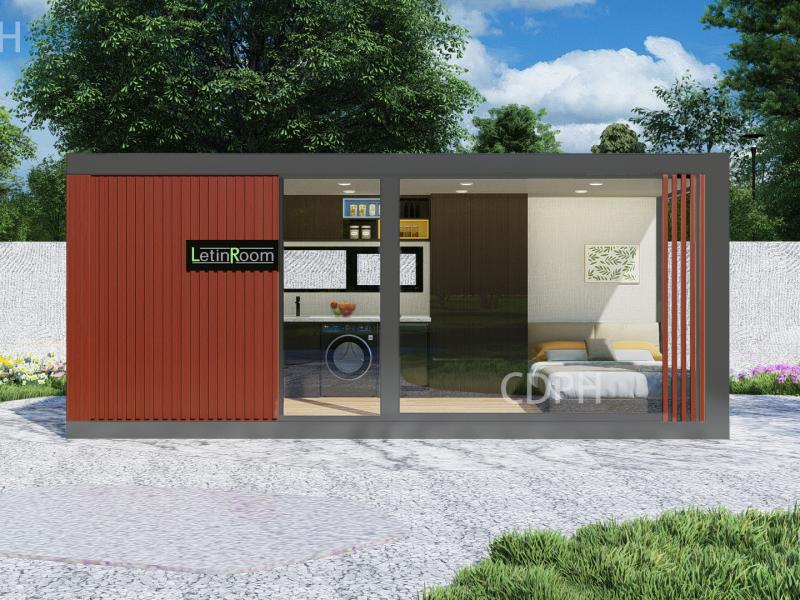
Why Prefab ADUs Are a Smart Backyard Living Solution
Prefab ADUs, or Accessory Dwelling Units, are becoming an increasingly practical option for homeowners who want to make better use of their backyard space. They can add flexibility, support changing household needs, and create valuable additional living space without requiring a full traditional addition.
For many property owners, a prefab ADU offers a thoughtful balance of speed, convenience, and long-term usefulness.
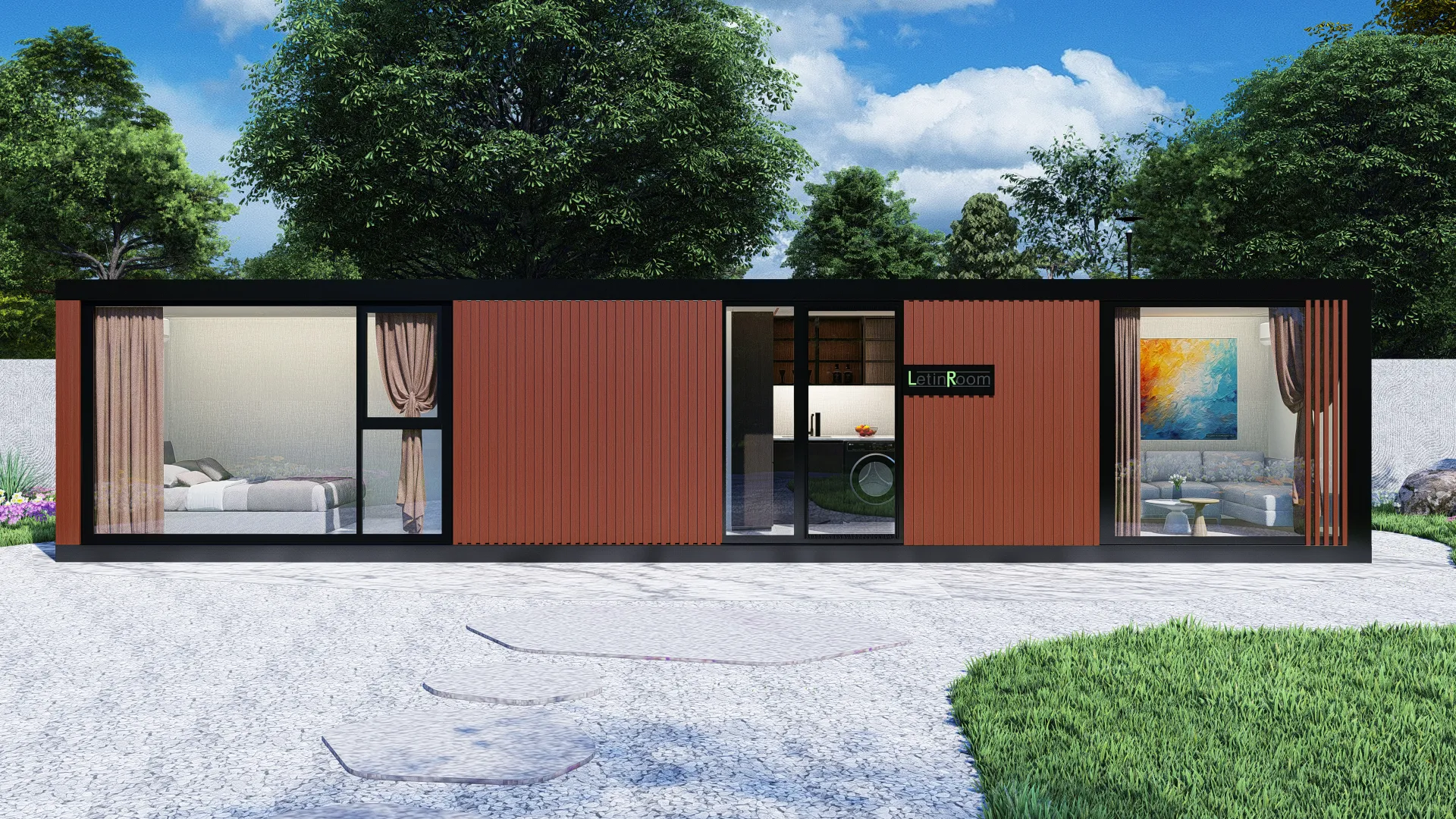
Key Factors to Consider Before Installing a Prefab ADU
Before adding a prefab ADU to a backyard, it is important to review a few basic site conditions.
Zoning
Local zoning rules can affect whether an ADU is allowed and how it must be built. Setbacks, height limits, and permitted uses may vary by location, so checking local requirements early in the process is always important.
Lot Size
The available yard space should be large enough to accommodate the unit while still leaving room for access, circulation, and any required clearances. Every site is different, so the layout should be evaluated carefully before moving forward.
Utility Access
A prefab ADU also needs practical access to utilities such as water, sewer, and electricity. When these systems can connect smoothly to the main property, the project is usually easier to plan and build.
By reviewing these factors early, homeowners can avoid delays and make the project more manageable from the start.
Turning Unused Yard Space Into Valuable Living Space
One of the biggest advantages of a prefab ADU is its ability to transform underused outdoor space into something useful. A backyard that was previously empty or underutilized can become a private living area, guest space, rental unit, or multigenerational home extension.
This flexibility makes prefab ADUs appealing to a wide range of homeowners. Some use them to support aging parents or adult children. Others see them as an opportunity to create rental income or expand their property’s long-term value.
In either case, a prefab ADU can help a property work harder without requiring a major conventional build.
Why Prefab ADUs Are Known for Faster Construction
Prefab ADUs are often faster to complete than site-built alternatives because much of the work happens off-site in a controlled factory environment. This approach allows the design, fabrication, and site preparation to move forward in parallel.
Once the unit arrives, on-site assembly can be completed more quickly and efficiently than with traditional construction. This can be especially helpful for homeowners who want to reduce disruption and bring the space into use sooner.
While timelines can vary based on design, site conditions, and permitting, prefab construction is generally valued for its efficiency and predictable workflow.
Why Prefab ADUs Can Offer Better Cost Predictability
Another reason many homeowners consider prefab ADUs is budget control. Factory-based production often helps reduce waste, improve planning, and create more consistent pricing.
Traditional builds can face a wider range of cost changes because of weather delays, labor availability, or material fluctuations. Prefab construction may help reduce some of that uncertainty by standardizing much of the production process.
For buyers who want a clearer estimate and a more controlled build process, this can be a major advantage.
Quality and Code Compliance
Prefab ADUs are typically designed with code compliance and structural performance in mind. Because they are built in controlled environments, manufacturers can apply consistent quality standards during fabrication and inspection.
This does not remove the need for permits, local review, or proper installation, but it can help support a smoother process and a more reliable finished result.
For homeowners, that means the speed of prefab construction does not have to come at the expense of quality or safety.
FAQ
What is a prefab ADU?
A prefab ADU is a factory-built accessory dwelling unit designed to be installed on an existing property, often in a backyard.
How do zoning rules affect prefab ADUs?
Zoning rules can affect whether an ADU is allowed, as well as its size, placement, height, and use.
How much space do I need for a prefab ADU?
The required space depends on the unit size and local regulations. It is important to review both lot conditions and setback requirements before planning.
How long does it take to install a prefab ADU?
Timelines vary, but prefab ADUs are generally faster to complete than traditional site-built additions.
Are prefab ADUs cost-effective?
They can be, especially for homeowners who value predictable planning, efficient construction, and flexible long-term use.
Are prefab ADUs compliant with building codes?
Prefab ADUs are typically designed to align with applicable building codes, but final approval still depends on local permitting and installation requirements.
Table of Contents
- Key Factors to Consider Before Installing a Prefab ADU
- Turning Unused Yard Space Into Valuable Living Space
- Why Prefab ADUs Are Known for Faster Construction
- Why Prefab ADUs Can Offer Better Cost Predictability
- Quality and Code Compliance
- What is a prefab ADU?
- How do zoning rules affect prefab ADUs?
- How much space do I need for a prefab ADU?
- How long does it take to install a prefab ADU?
- Are prefab ADUs cost-effective?
- Are prefab ADUs compliant with building codes?