EN
EN

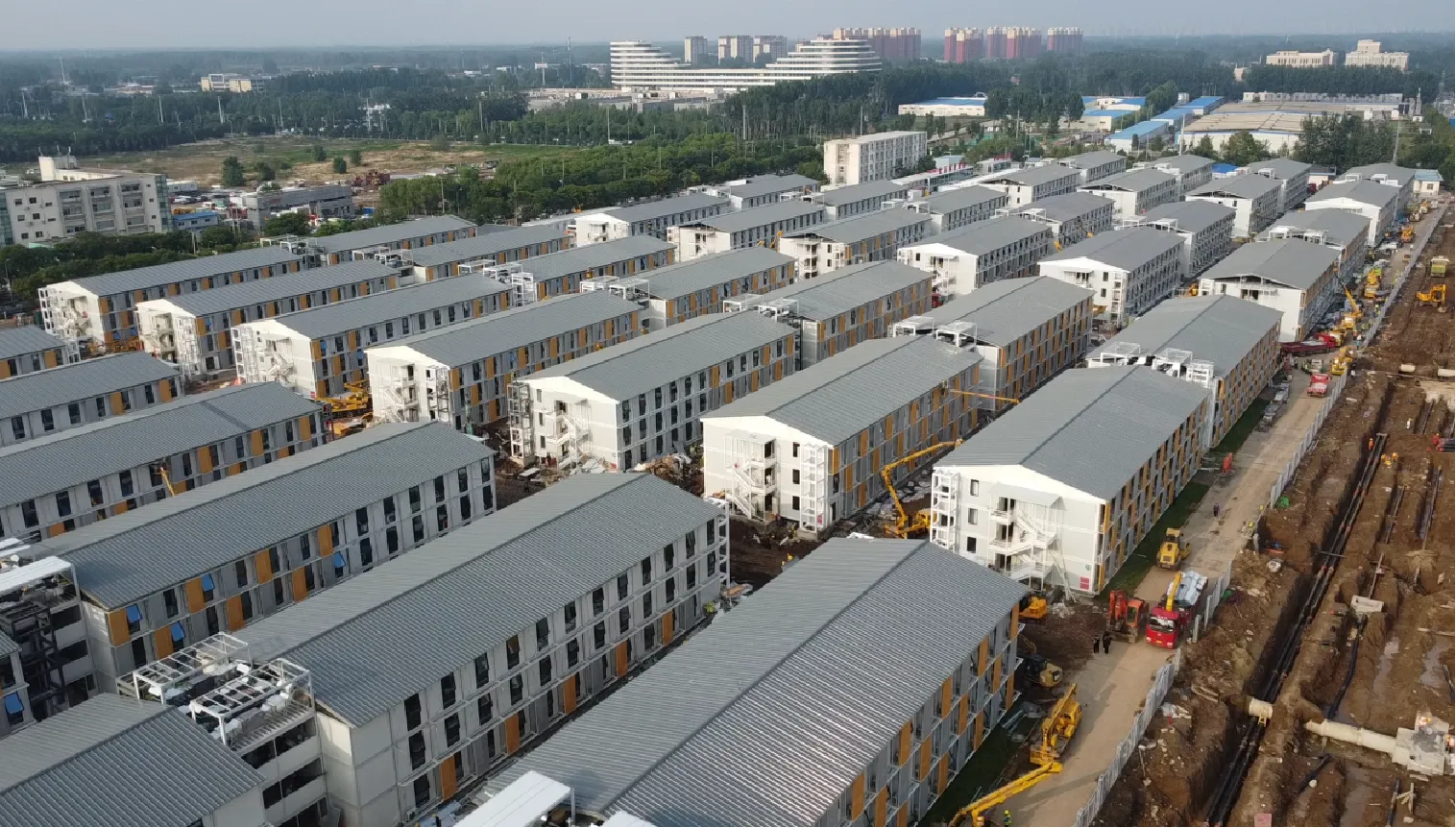
Top Worker Camp Accommodation Trends Shaping 2026 for Mining, Oilfield, and Construction Projects
Worker camp accommodation continues to evolve in both design and functionality. In 2026, mining companies, oilfield operators, and construction contractors are looking for housing solutions that are durable, efficient, easy to maintain, and suitable for remote operational environments. At the same time, comfort, safety, and long-term performance remain important priorities.
These trends are shaping how modular camp housing is planned, built, and used. From flexible dormitory layouts to energy-efficient systems, today’s worker accommodation units are designed to support demanding project conditions.
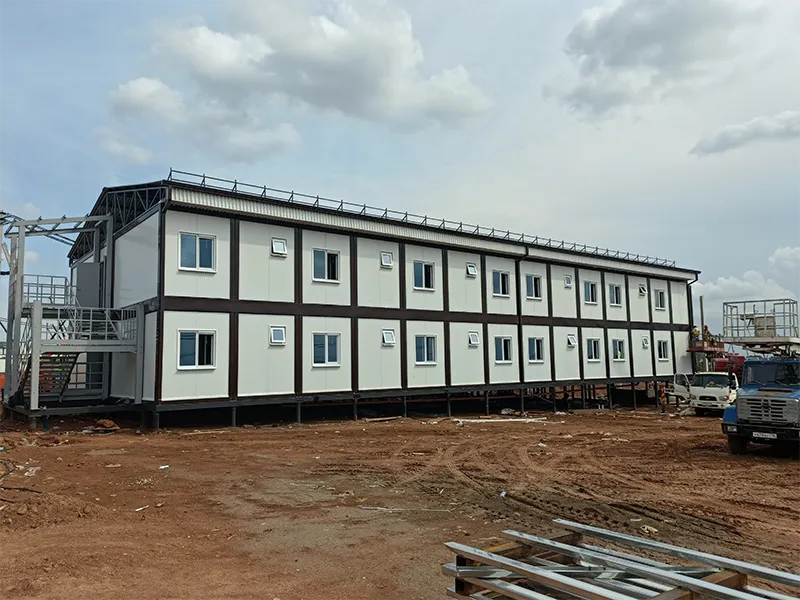
Durable and Practical Design for Heavy-Duty Use
One of the most important trends in worker camp accommodation is the demand for practical, heavy-duty design. Unlike private housing, camp units must support repeated daily use by multiple occupants while remaining easy to clean and maintain in harsh environments.
Operators are paying more attention to:
- Wear-resistant interior finishes
- Easy-clean surfaces
- Strong flooring materials
- Simple and functional layouts
- Long-lasting fixtures and fittings
This approach helps reduce maintenance costs while keeping accommodation safe and comfortable for workers in mining, oilfield, and construction sites.
Flexible Dormitory Layouts for Changing Project Demands
Another major trend is the use of flexible layouts that can adapt to different occupancy levels and project phases. Instead of fixed, rigid room arrangements, many modular camp housing projects now include configurable dormitory spaces, shared living areas, and multi-use rooms.
Features such as:
- Movable partitions
- Modular bed systems
- Built-in storage
- Shared common areas
- Compact personal zones
can help a camp serve different team sizes and functions over time.
This flexibility is especially valuable for mining camps, drilling sites, pipeline projects, and construction camps where workforce numbers may change as the project progresses.
Fast Deployment and Scalability Remain Top Priorities
In 2025, project owners are looking for housing solutions that can be deployed quickly and expanded when needed. Modular camp housing is well suited to this requirement because it can be manufactured off-site and assembled on location with minimal disruption.
This means camps can be scaled to match project demand, whether for a short-term construction project or a long-term remote operation. Planning for future expansion is becoming a standard part of camp design.
Energy-Efficient Systems for Remote Operation
Energy efficiency continues to be a key focus in worker accommodation, especially in remote locations where utility access may be limited or expensive. Camp housing is increasingly being designed with systems that reduce operating costs and improve reliability.
Common features include:
- Better insulation
- Energy-efficient windows and doors
- LED lighting
- Smart HVAC controls
- Solar-ready roof systems
- Water-saving fixtures
These systems help lower long-term operating expenses while improving comfort for occupants in remote mining, oilfield, and construction environments.
Better Storage and Shared Space Management
Because worker camps often house multiple people in limited space, storage design is becoming more important. Organized storage helps keep dormitories, kitchens, washrooms, and common areas clean and efficient.
Useful storage solutions include:
- Personal lockers
- Under-bed storage
- Shared kitchen shelving
- PPE storage zones
- Wall-mounted cabinets
- Utility storage for cleaning and maintenance supplies
Good storage planning supports both worker comfort and site management, especially in high-turnover project environments.
Safety and Hygiene Are Essential on Remote Sites
For camp accommodation, safety and hygiene are not optional—they are essential. In 2025, more project owners are prioritizing materials and layouts that support safer daily use and easier sanitation.
This includes:
- Fire-resistant materials
- Anti-slip flooring
- Ventilated storage areas
- Moisture-resistant finishes
- Clear circulation paths
- Easy access for cleaning staff
A well-designed camp should make it easy to maintain clean, safe, and healthy living conditions even in remote locations with challenging weather or logistics.
Long-Term Value and Operational Flexibility
Modern worker camp accommodation is no longer seen as a temporary shell. Buyers now want housing that can deliver long-term value through durability, scalability, and low maintenance.
Modular camp units can often be relocated, expanded, or reconfigured as project needs change. This makes them a practical investment for mining operators, oilfield contractors, EPC companies, and construction developers.
FAQ
What is worker camp accommodation?
Worker camp accommodation is modular or prefabricated housing designed to support workers in remote, industrial, or construction project environments.
How is modular camp housing different from traditional housing?
Modular camp housing is built off-site in controlled conditions and assembled on-site, making it faster to deploy and easier to scale for project needs.
Is worker camp accommodation suitable for long-term use?
Yes. When properly designed and maintained, modular camp accommodation can serve long-term projects and repeated operational use.
What are the most important features in camp housing?
Durability, efficiency, easy maintenance, safety, storage, and energy performance are among the most important features.
Can camp accommodation be customized?
Yes. Camp units can often be customized with different layouts, storage systems, and utility configurations.
Table of Contents
- Durable and Practical Design for Heavy-Duty Use
- Flexible Dormitory Layouts for Changing Project Demands
- Fast Deployment and Scalability Remain Top Priorities
- Energy-Efficient Systems for Remote Operation
- Better Storage and Shared Space Management
- Safety and Hygiene Are Essential on Remote Sites
- Long-Term Value and Operational Flexibility
- FAQ