EN
EN

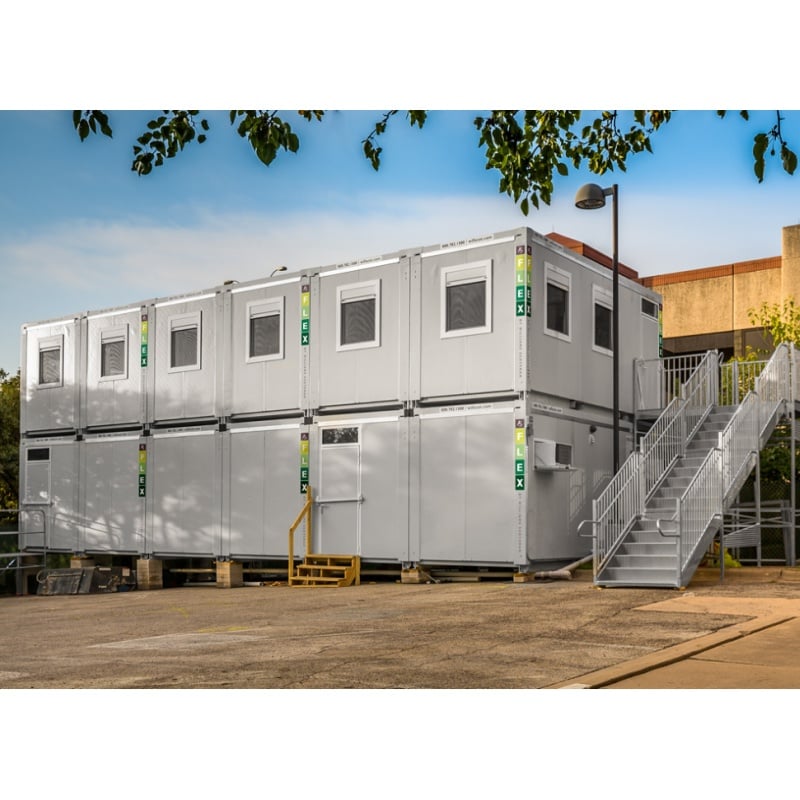
Why Prefabricated House Labour Camps Accelerate Project Delivery
Prefabricated house labour camps are becoming a preferred solution for projects that need fast, reliable workforce accommodation. In industries such as mining, oil and gas, and infrastructure, the ability to house workers quickly can have a direct impact on project delivery. Prefabricated labour camps help teams move faster by combining efficient off-site production with simple on-site installation, making them a practical option for time-sensitive operations.
Rapid Deployment for Time-Sensitive Sectors: Mining, Oil & Gas, and Infrastructure
Many large-scale projects take place in remote or difficult environments where housing must be provided before work can begin. Prefabricated house labour camps are well suited to these situations because they can be manufactured in advance and installed more quickly than conventional buildings.
This faster deployment helps reduce delays and allows project teams to establish a functional base of operations sooner. Whether the project is in mining, oil and gas, or infrastructure, prefabricated labour camps give companies a way to support workers without slowing down the wider project schedule. Their controlled factory production also helps improve consistency and reduce the effects of weather or site limitations.
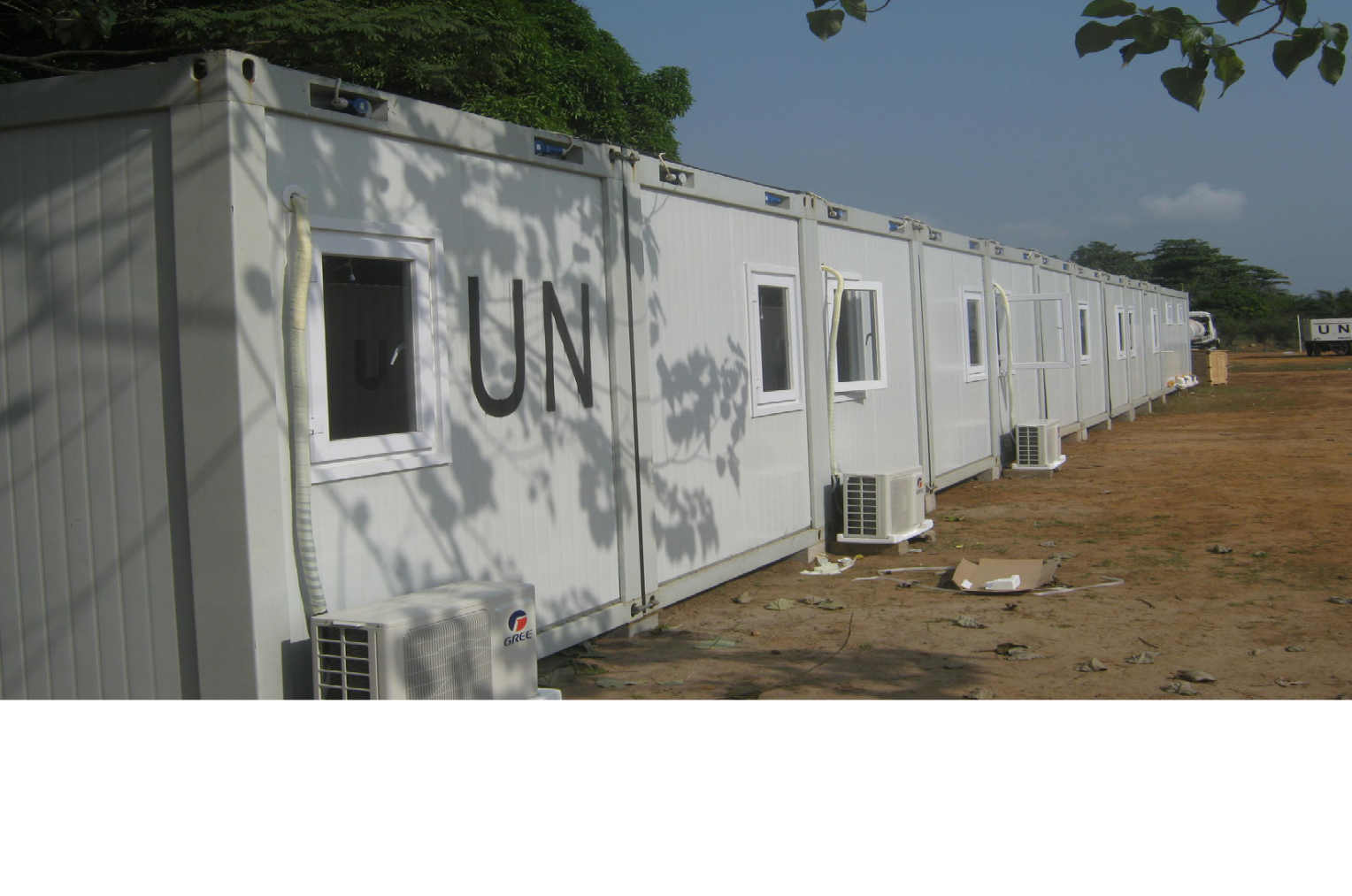
Efficiency Gains Through Off-Site Fabrication
One of the main advantages of prefabricated house labour camps is the efficiency of off-site fabrication. Much of the building work is completed in a factory setting, which helps streamline the process and reduce the amount of labour needed on site.
Because many systems can be prepared in advance, installation becomes faster and more organized. Utilities such as plumbing, electrical pathways, and HVAC components can often be integrated during fabrication, which further simplifies assembly once the units arrive at the site. This approach can help improve safety, reduce scheduling complexity, and keep the project moving with fewer interruptions.
Design Excellence in Staff Accommodation Buildings: Safety, Comfort, and Compliance
From Basic Dormitories to More Comfortable Living Environments
Modern prefabricated labour camps are no longer just basic sleeping quarters. Many are now designed to support better comfort, privacy, and overall livability for workers spending extended periods away from home.
Features such as private rooms, shared lounges, improved lighting, and more thoughtful layouts can help create a more comfortable living environment. This matters especially in remote or demanding work settings, where worker morale and rest are important parts of maintaining productivity. As expectations for staff accommodation continue to rise, prefabricated camps are evolving to meet both operational and human needs.
Thermal, Acoustic, and Fire Safety in Prefabricated Labour Camps
Safety and performance are important in any labour camp, especially in regions with harsh climates or challenging site conditions. Prefabricated house labour camps can be designed with insulation, sound control, and fire-conscious materials to improve overall building performance.
These design features help create a more stable and comfortable indoor environment while also supporting compliance with relevant building and safety expectations. When camps are built with quality materials and careful engineering, they can perform reliably in a wide range of conditions and support long-term workforce use.
Scalable Solutions: Modular vs. Container-Based Labour Camp Infrastructure
One of the strengths of modular labour camp systems is scalability. Project needs often change over time, and workforce housing must be able to adjust accordingly. Modular designs can often be expanded, reduced, or relocated depending on the stage of the project.
This flexibility is especially useful for large developments where the number of workers may increase or decrease as the project progresses. Instead of building a fixed structure that may become too large or too small later, modular labour camps can be adapted to match the actual needs of the site. This makes them a practical choice for projects that require both mobility and long-term value.
Beyond Bedrooms: Integrated Facilities That Define Modern Labour Camps
Modern labour camps do more than provide a place to sleep. They often function as complete support environments that help workers live, eat, rest, and stay organized while on site.
A well-planned labour camp may include dining areas, recreation spaces, medical rooms, office areas, laundry facilities, storage, and maintenance support. By bringing these functions together in one coordinated layout, prefabricated camps can improve daily convenience and help reduce the need for off-site services. This kind of planning supports worker wellbeing and helps create a more efficient and self-contained project environment.
Conclusion
Prefabricated house labour camps accelerate project delivery by making workforce accommodation faster, simpler, and more adaptable. Their off-site construction process helps reduce delays, while their modular design supports scalability, relocation, and better site planning. For mining, oil and gas, infrastructure, and other demanding industries, prefabricated labour camps offer a practical way to support workers and keep projects moving efficiently.
FAQ
What are prefabricated house labour camps used for?
Prefabricated house labour camps are used to provide fast and practical housing for workers in industries such as mining, oil and gas, and infrastructure, especially in remote or challenging environments.
How do prefabricated labour camps improve project timelines?
They help improve timelines by allowing much of the construction to happen off-site, which reduces on-site installation time and helps projects move forward more efficiently.
What are the benefits of off-site fabrication for labour camps?
Off-site fabrication can reduce on-site labour needs, simplify installation, improve consistency, and help keep projects on schedule.
Why are modular designs favored over container-based alternatives?
Modular designs are often favored because they can offer better flexibility, easier expansion, and more adaptable layouts for changing project needs.
How do modern prefabricated labour camps support worker wellbeing?
Modern labour camps may include better lighting, improved privacy, shared social spaces, and more comfortable layouts that help support rest, morale, and daily living needs.
Table of Contents
- Rapid Deployment for Time-Sensitive Sectors: Mining, Oil & Gas, and Infrastructure
- Efficiency Gains Through Off-Site Fabrication
- Design Excellence in Staff Accommodation Buildings: Safety, Comfort, and Compliance
- Scalable Solutions: Modular vs. Container-Based Labour Camp Infrastructure
- Beyond Bedrooms: Integrated Facilities That Define Modern Labour Camps
- Conclusion
-
FAQ
- What are prefabricated house labour camps used for?
- How do prefabricated labour camps improve project timelines?
- What are the benefits of off-site fabrication for labour camps?
- Why are modular designs favored over container-based alternatives?
- How do modern prefabricated labour camps support worker wellbeing?