EN
EN


Why Prefab Construction Is Transforming Student Accommodation
Prefab construction is changing the way universities and institutions approach student accommodation. As campuses continue to grow and student housing demand increases, prefabricated building methods offer a faster, more efficient, and more flexible alternative to conventional construction. For projects that need to be delivered on a tight schedule without causing major disruption to campus life, prefab construction is becoming an increasingly practical solution.
Accelerating Campus Growth with Off-Site Built Student Housing
Universities often face pressure to expand student accommodation quickly while keeping campus operations running smoothly. Prefab construction helps meet this challenge by moving much of the building process into a controlled factory environment. This allows site work and module fabrication to happen at the same time, which can make the overall project more efficient and easier to manage.
Because much of the work is completed off-site, prefab student housing can often be delivered with fewer weather-related delays and less disruption to academic activities. This makes it especially useful for universities that need to align housing completion with semester schedules or respond to growing enrollment without disturbing the campus environment.
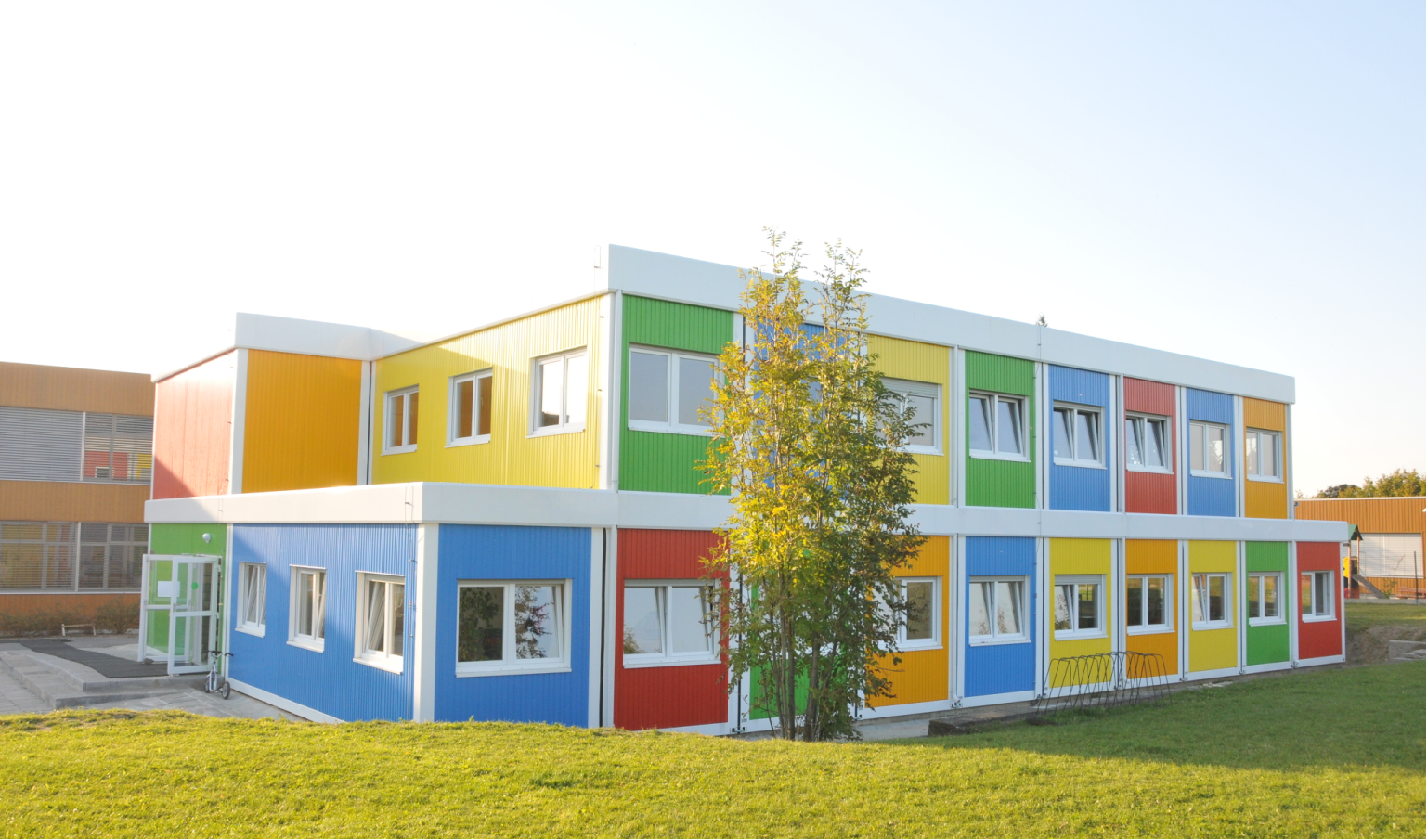
Designing High-Density, Sustainable Student Accommodation Using Modular Systems
Modular systems are well suited to student accommodation because they support efficient use of space and flexible planning. Universities can create layouts that make better use of available land while still meeting accessibility and building requirements. This makes modular construction a strong option for campuses where density and functionality both matter.
Sustainability is another important advantage. Prefab buildings can be designed with energy-efficient insulation, improved air sealing, and materials that help support better long-term performance. In addition, factory-based construction often produces less waste than traditional on-site building, which aligns well with campus sustainability goals. Modular student accommodation can also be adapted or expanded more easily as enrollment needs change over time.
How Prefab Enables Agile and Future-Proof Staff Accommodation
Modular Staff Accommodation for Temporary, Rotational, and Satellite Campus Needs
Prefab construction is also highly effective for staff accommodation. Universities, research centers, and education-related institutions often need housing for visiting faculty, temporary staff, or teams working at satellite locations. Modular staff accommodation offers a fast and practical way to provide these housing solutions without the delays and complexity of traditional construction.
Because modular units can be planned in a range of sizes and configurations, they are suitable for everything from compact individual units to larger shared accommodation buildings. Many systems are also designed with essential services in mind, making it easier to create functional and comfortable living spaces for staff in a shorter timeframe.
Reusability and Relocation: Extending the Lifecycle of Staff Accommodation Assets
One of the most useful features of modular staff accommodation is flexibility over time. Unlike many site-built structures, modular units can often be relocated, repurposed, or adapted for different uses as institutional needs evolve. This gives universities more long-term value from their housing investment.
For example, a modular building used for staff housing today may later serve as administrative space, research support space, or another institutional function. This adaptability helps reduce waste and supports a more sustainable approach to campus planning. It also makes modular construction appealing to institutions that want a housing asset they can continue using in different ways over time.
Overcoming Key Implementation Barriers for Institutional Accommodation Projects
Although prefab construction offers many benefits, educational institutions still need to address planning, transport, and integration requirements carefully. Early coordination between architects, contractors, facilities teams, and local authorities is often essential for a smooth project outcome.
Navigating Planning Regulations, Transport Constraints, and On-Site Integration
Educational campuses often have specific zoning rules, design expectations, and infrastructure limitations that must be considered before construction begins. Prefab projects can help simplify some aspects of delivery, but they still require careful planning to ensure the new buildings fit the campus context.
Transport logistics are another important factor. Modules need to be designed with delivery and site access in mind, especially when campuses have limited access roads or complex surroundings. In addition, utility integration must be planned early so that electrical, plumbing, and mechanical systems connect properly with existing campus infrastructure. When these factors are handled well, prefab projects can move forward more smoothly and with fewer surprises during installation.
Balancing Upfront Coordination Demands Against Long-Term Cost and Sustainability Gains
Prefab construction often requires strong early-stage coordination, but this planning effort can create long-term advantages. Modular buildings are often attractive because they support efficient use of resources, more predictable construction schedules, and easier adaptation over time.
For institutions focused on sustainability, prefab construction can also be a strong fit. It often helps reduce waste, supports more controlled building practices, and can contribute to broader campus climate goals. Just as importantly, modular buildings can remain useful over time by adapting to changing institutional needs rather than becoming obsolete quickly.
FAQ
What is prefab construction?
Prefab construction involves assembling building components in a factory setting and then transporting them to the construction site for final assembly, offering time and cost efficiencies.
How does prefab construction benefit student accommodations?
Prefab construction accelerates the building process, aligns move-in dates with academic schedules, reduces on-site disruptions, and incorporates sustainable practices.
What makes modular systems sustainable for student housing?
Modular systems feature high-density designs, energy-efficient materials, reduced waste, and improved indoor air quality, contributing to sustainability.
Can prefab construction be used for staff accommodations?
Yes, prefab construction is ideal for creating flexible and rapid staff housing solutions, including relocatable units for temporary or satellite campus needs.
What are the challenges of implementing prefab construction in educational institutions?
Institutions may face zoning, transport logistics, and utility integration challenges, but these can be overcome with cross-functional planning and stakeholder engagement.