EN
EN

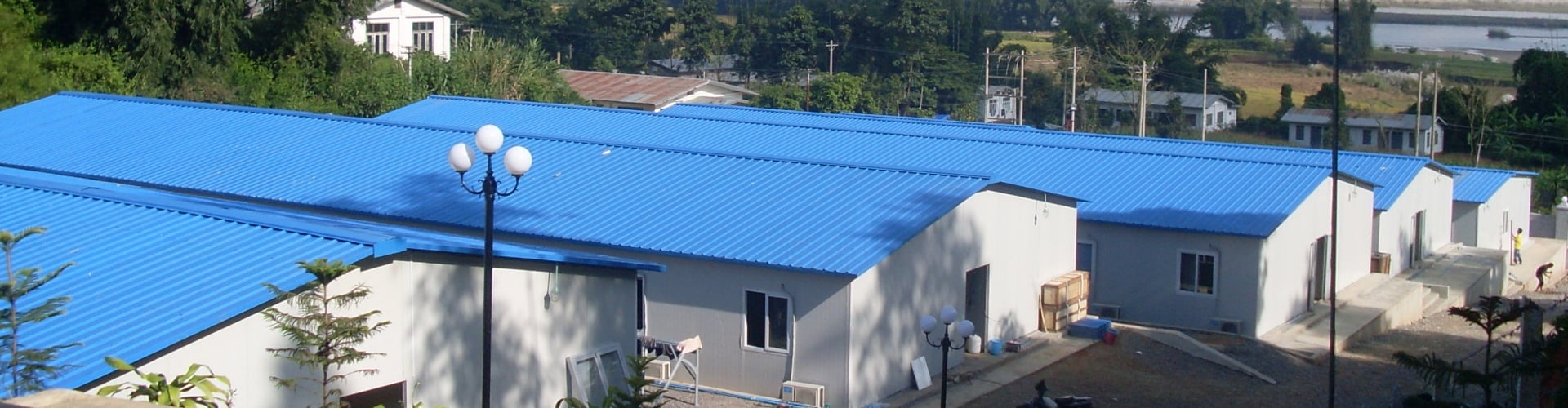
How Long Do Prefabricated Buildings Really Last? A Practical Guide for Mining, Energy, Industrial & Municipal Projects
When mining companies approve the construction of worker camps or industrial firms greenlight site facilities, a fundamental question lurks behind the budget: exactly how long will the structure be in use? For project owners planning multi-year concessions, EPC contractors bidding on long-term projects, and facility managers responsible for total cost of ownership, the answer goes far beyond merely dictating maintenance schedules—it influences financing models, asset depreciation, and even site selection.
The short answer: a well-engineered prefabricated building can deliver 25 to 50+ years of structural service life, while lighter-duty camp and site accommodation units typically perform reliably for 10 to 20 years under continuous field conditions. But that range is wide for a reason. The difference between a building that needs replacement in a decade and one still performing after three isn't luck — it comes down to a handful of measurable factors.
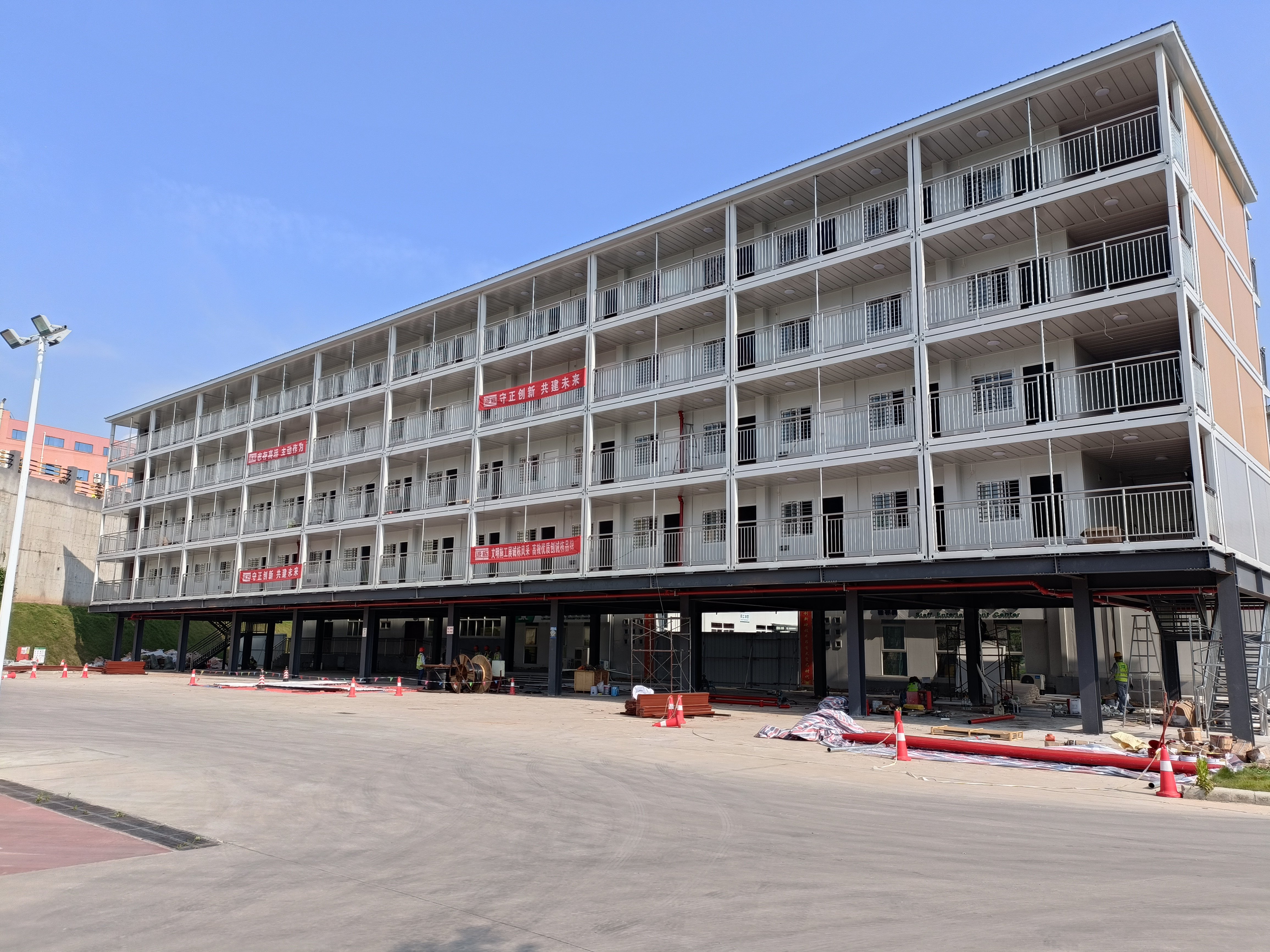
What Actually Determines Lifespan
1. Steel Frame Quality and Structural Design The load-bearing frame is the single biggest determinant of longevity. Buildings engineered with heavier-gauge structural steel, properly welded (not just bolted) connections, and design margins that account for wind, seismic, and snow loads will outlast lighter, cost-optimized frames by decades. This matters most in remote mining and energy sites, where structures are rarely inspected as frequently as urban buildings and need to tolerate years of unattended exposure.
2. Corrosion Protection Corrosion — not structural failure — is the number one reason prefabricated buildings retire early, particularly near coastlines, in humid tropical climates, or on sites with high salinity or chemical exposure (common around mine processing areas and oil & gas facilities). Hot-dip galvanized steel, marine-grade coatings, and properly sealed joints can extend usable life by 15 years or more compared to standard paint finishes. For coastal or offshore-adjacent projects, this single specification decision often matters more than any other.
3. Foundation and Site Preparation Even the best-built module will underperform on a poorly prepared foundation. Ground settlement, inadequate drainage, and improper leveling create stress on frame connections that compounds over time. This is especially relevant for mining and energy sites in remote or geotechnically challenging terrain, where foundation work is often rushed to meet production timelines.
4. Climate and Environmental Exposure UV intensity, humidity cycles, temperature swings, and wind loading all accelerate material fatigue differently depending on region. A camp specified for temperate conditions will age faster in a desert or tropical deployment than one engineered for the destination climate from the start. Cladding, roofing membranes, and sealants should be matched to the actual operating environment, not a generic default.
5. Usage Intensity and Occupancy Load A control room used by two operators per shift ages very differently from a 500-person workforce camp running three shifts around the clock. Higher foot traffic, more frequent door and window cycling, and heavier HVAC demand all shorten component life — though the structural frame itself is largely unaffected.
6. Maintenance Practices Prefabricated buildings are durable, but they are not maintenance-free. Routine inspection of seals, coatings, drainage, and connection points — ideally on an annual cycle — catches minor issues before they become structural ones. Sites with documented maintenance programs consistently report longer service life than those treating buildings as "install and forget" assets.
7. Relocation and Reuse Frequency One advantage of modular construction is relocatability, but each disassembly-transport-reassembly cycle introduces mechanical stress. Buildings designed for multiple relocations — with reinforced lifting points and modular connections engineered for repeated use — retain structural integrity far longer than units adapted for mobility after the fact.
8. Manufacturing Quality Control Consistency matters as much as design. Facilities operating under ISO 9001 quality management and independently certified welding and fabrication processes produce units with far less variance in long-term performance than uncertified production lines. For buyers, third-party certification (CE, ISO 9001, ISO 14001, OHSAS 18001) is a meaningful proxy for what happens to a unit ten years after handover, not just at delivery.
Matching Building Specification to Project Duration
For owners planning a project lifecycle, the practical takeaway is straightforward: specify to the actual duration and environment of the deployment, not a generic standard.
- Short-term site camps (1–5 years): Standard galvanized frames with quality cladding are typically sufficient and cost-effective.
- Medium-term operations (5–15 years): Enhanced corrosion protection and climate-matched materials pay for themselves in reduced mid-life refurbishment.
- Long-term or permanent facilities (15+ years): Heavier structural specification, marine-grade coatings where relevant, and a documented maintenance program are worth the upfront investment.
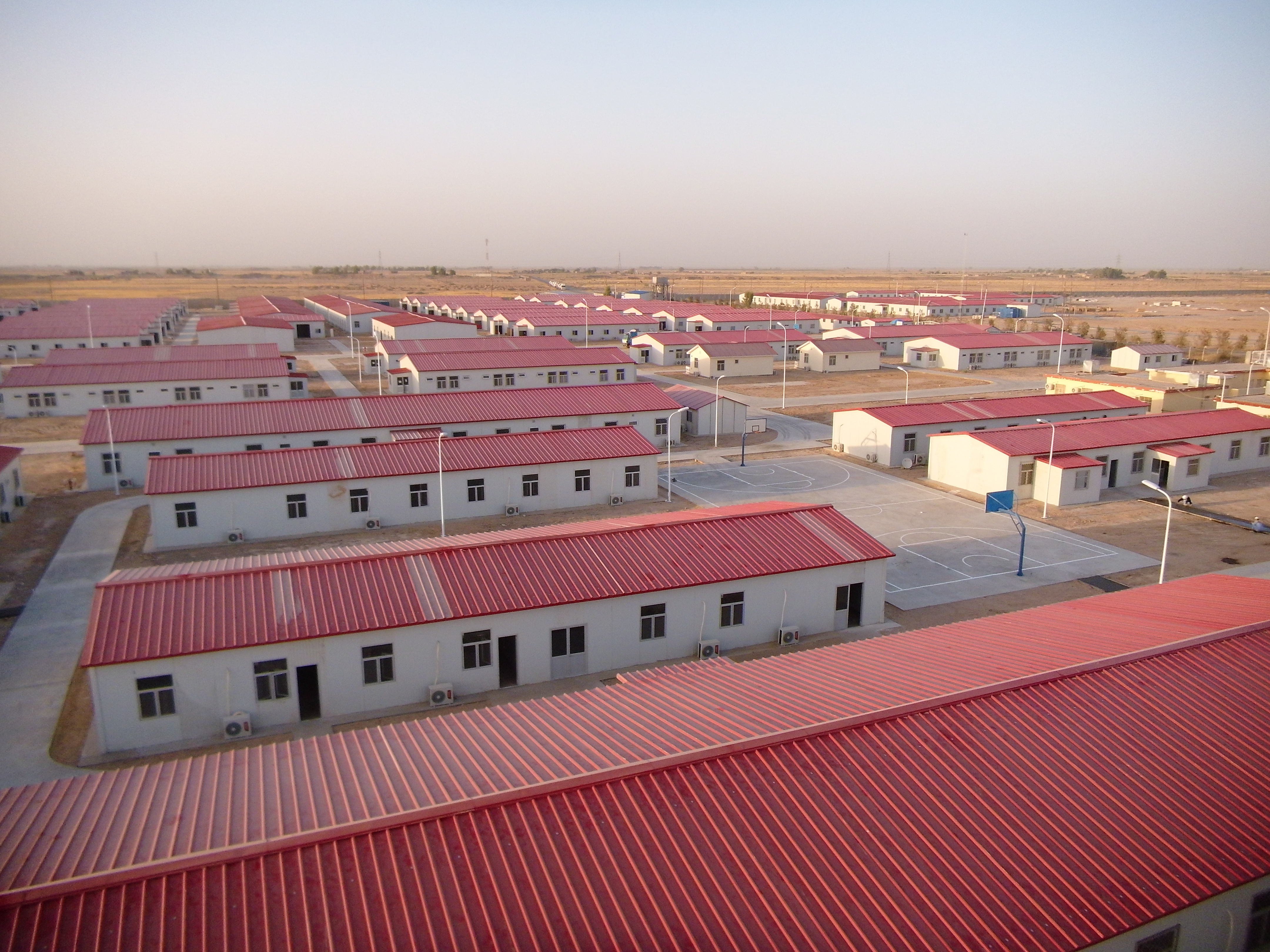
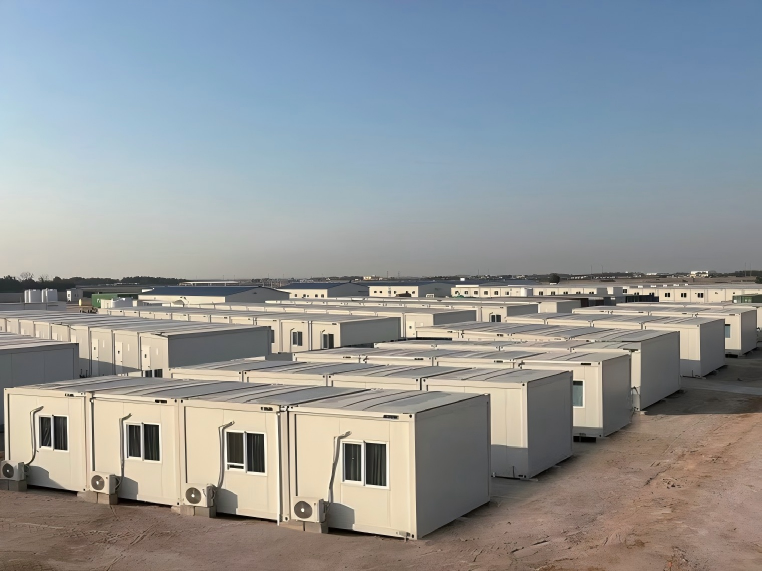
The Bottom Line
Prefabricated construction has matured well past its reputation as a temporary or lower-durability alternative to conventional building. With the right structural specification, corrosion protection, and maintenance discipline, modular buildings routinely match or exceed the service life of site-built structures — at a fraction of the deployment time. The factors above are largely within the buyer's control at the specification stage, which makes the initial technical conversation with your EPC or manufacturing partner one of the highest-value steps in the entire project.