EN
EN

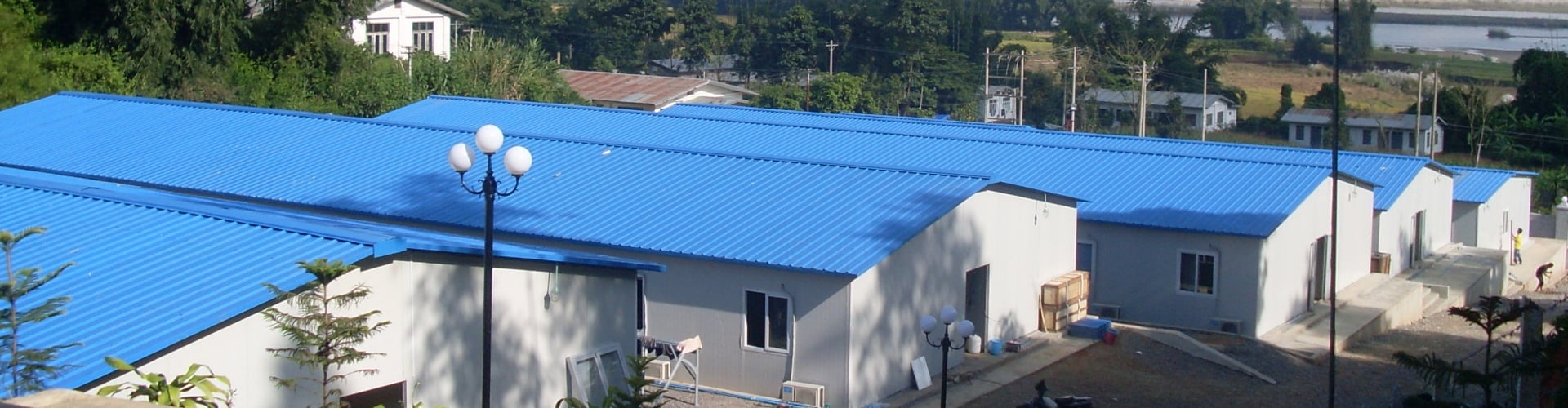
How to Choose Container Housing for Different Climates: A Practical Guide for Mining, Energy, and Industrial Camps
For mining, energy, and industrial projects, container housing is not simply a fast construction option—it is a strategic infrastructure decision. These projects are often located in remote plateaus, deserts, offshore zones, or extreme cold regions, where climate conditions directly affect worker comfort, structural durability, operational continuity, energy consumption, and total lifecycle cost. That is why the first question should never be “Which container house is cheapest?” but rather “Which container housing system is engineered for the local climate?”
1. Why Climate Must Be the First Consideration
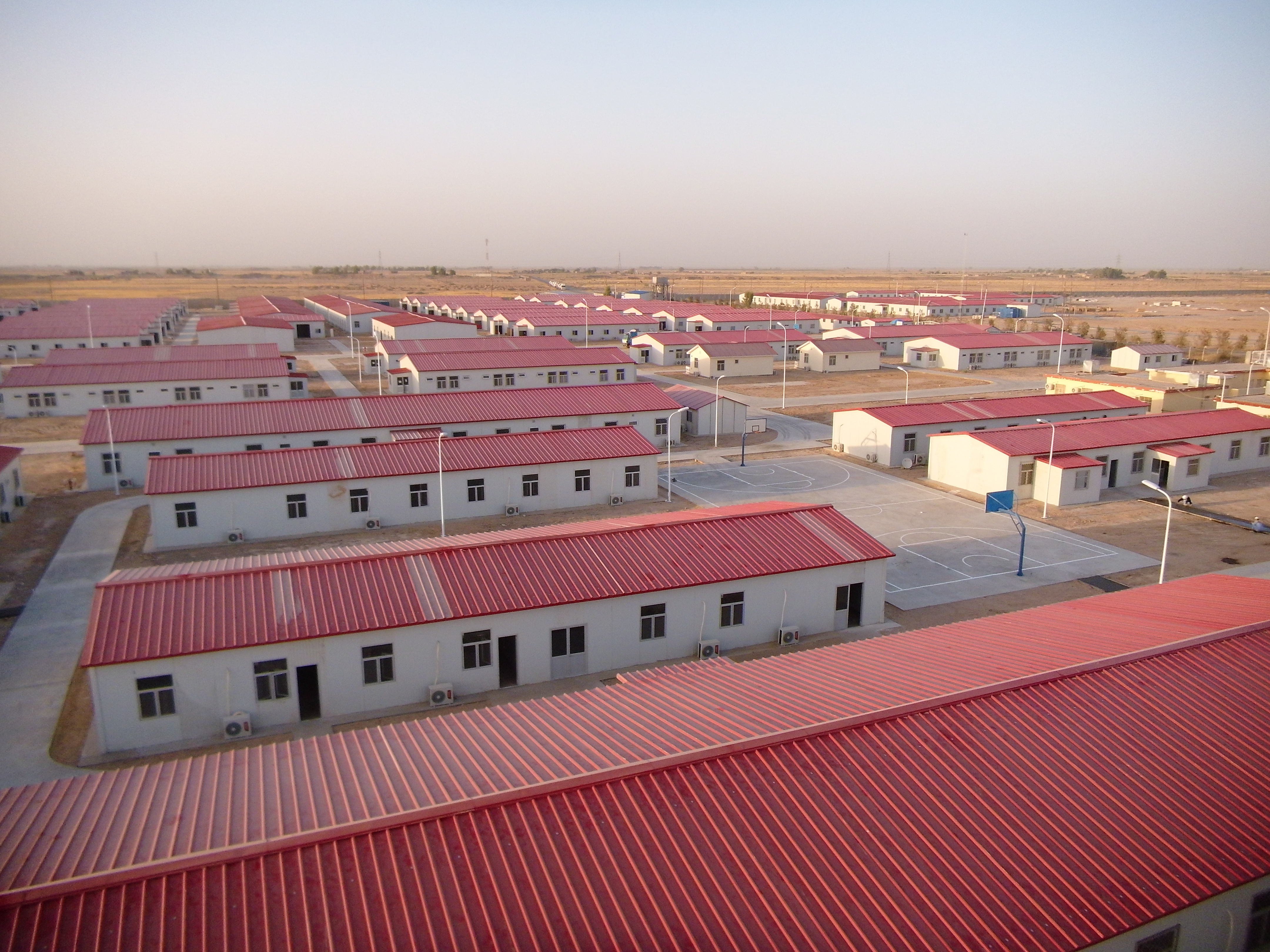
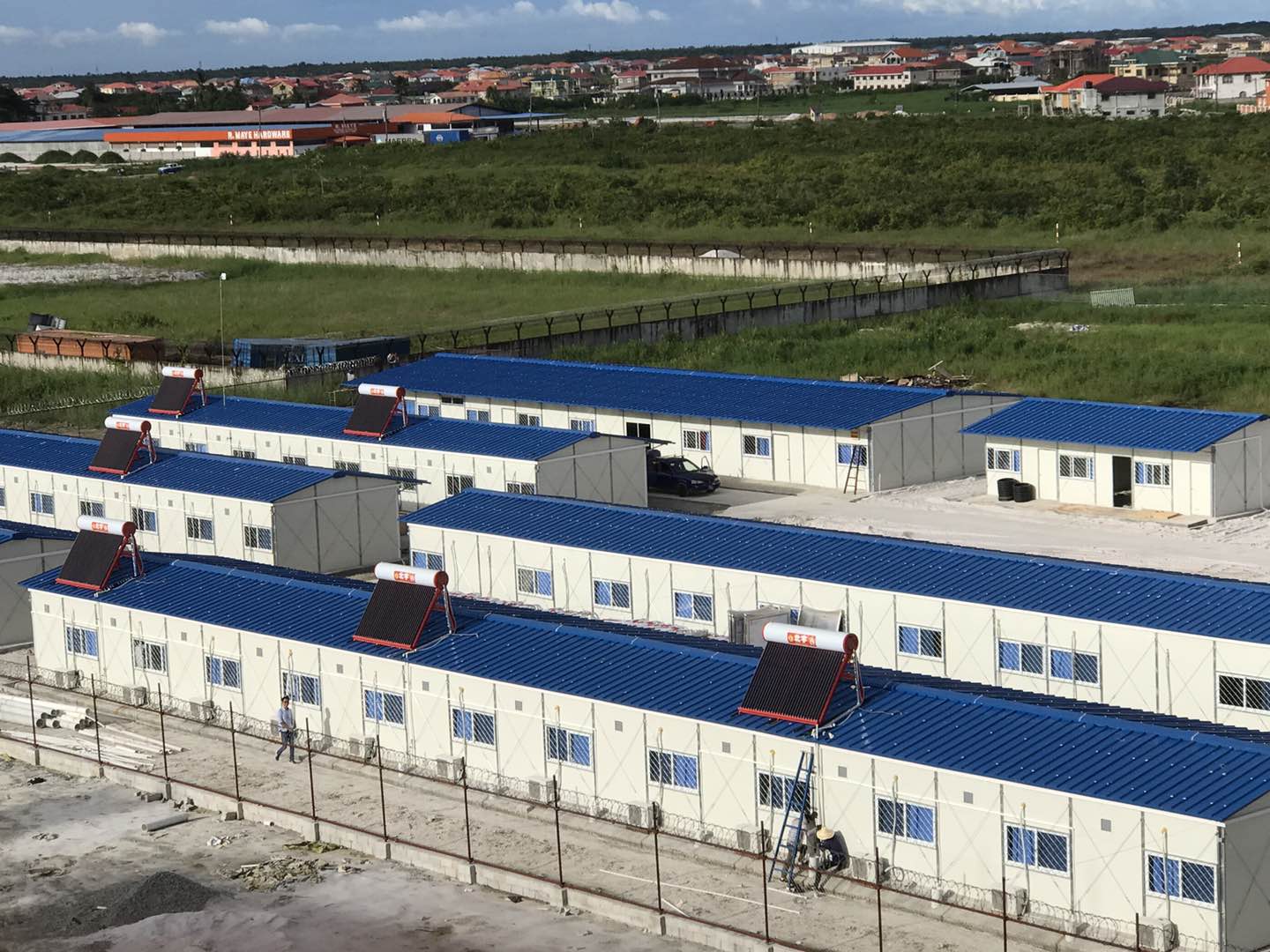
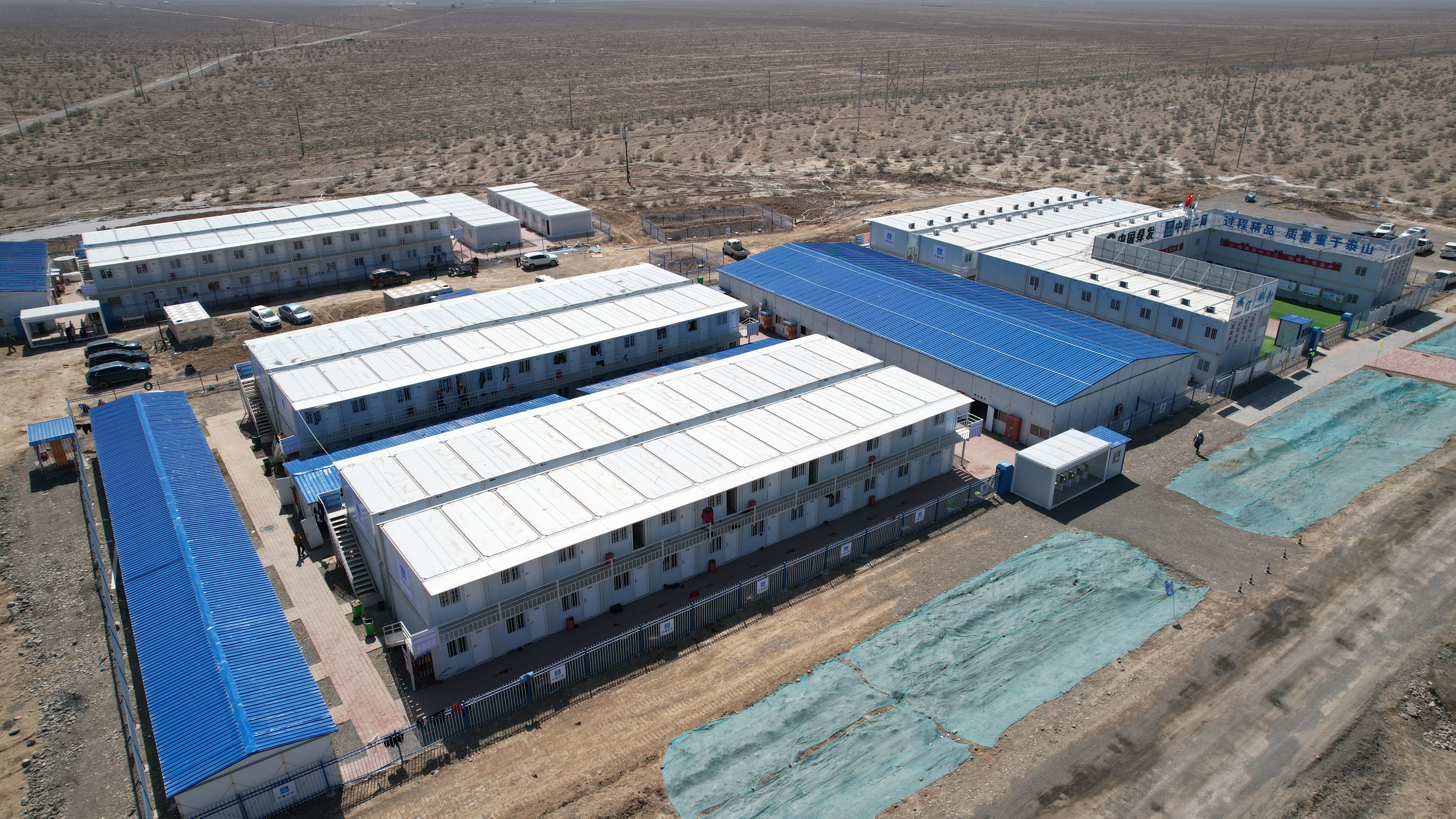
In remote project camps, climate determines far more than temperature. High-altitude sites bring low oxygen, strong UV radiation, high winds, and large day-night temperature swings. Coastal and offshore locations introduce salt fog, humidity, and accelerated corrosion. Arctic and sub-zero regions require high thermal performance, anti-freeze utility systems, and snow-load resistance. Desert and Gobi environments combine intense heat, sandstorms, dust intrusion, and strong winds. If the housing system is not adapted to these realities, the result can be higher maintenance costs, faster material degradation, poor indoor comfort, greater energy demand, and reduced workforce stability.
Climate-responsive design also matters because project camps must function like self-contained mini-communities. A camp is not only a dormitory block; it normally includes offices, dining halls, kitchens, clinics, sanitary units, laundries, storage, and security infrastructure. When these facilities operate in harsh environments, the building envelope, structure, ventilation, drainage, fire safety, and utility systems all need to be aligned with local climatic risk. In other words, climate is not a side factor—it is the design foundation of a successful camp.
2. Why Container Housing Fits Mining, Energy, and Industrial Applications
Container housing is especially suitable for mining, energy, and industrial use because these industries need speed, predictability, and deployability. Traditional construction often struggles in remote areas due to long schedules, difficult transportation, labor shortages, and weather disruption. By contrast, modular container-based buildings are factory-produced while site preparation happens in parallel, allowing faster project mobilization and earlier workforce deployment. This is critical for mines, oil and gas fields, power projects, and industrial compounds where accommodation must often be ready before core construction or operations can begin.
Another major advantage is flexibility. Workforce size in mining and energy projects changes across exploration, construction, commissioning, and operational phases. Modular container units can be added, relocated, stacked, or repurposed more easily than conventional buildings. This makes them ideal for temporary exploration camps, semi-permanent construction camps, and long-term workforce villages alike. Their reusability also helps turn camp investment into a redeployable asset rather than a one-off expense.
Container housing is also well suited to these sectors because it supports integrated camp planning. CDPH’s camp solutions commonly include accommodation units, offices, security buildings, medical clinics, dining facilities, control rooms, and other public-service modules, enabling a remote site to function efficiently as both a living and working environment. For industries that operate far from urban infrastructure, this integrated approach creates operational resilience as well as better worker welfare.
3. What Solutions Has CDPH Developed for Different Climates?
3.1 High-Altitude, Low-Oxygen Climates
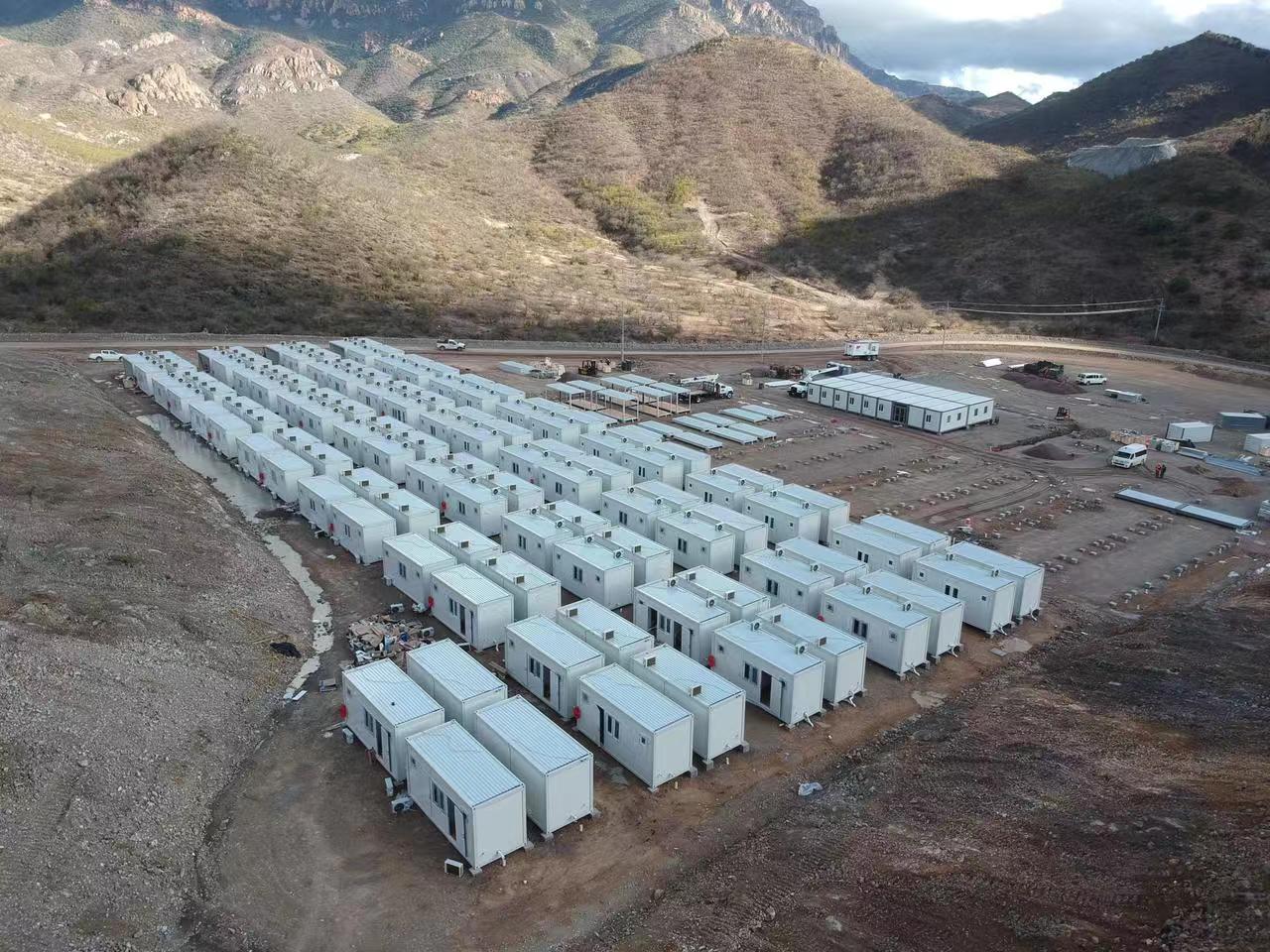
For plateau and high-altitude projects, CDPH has developed purpose-built plateau container solutions that address low oxygen levels, strong UV radiation, large diurnal temperature swings, and strong winds. According to its official materials, these units use reinforced sealing structures, specialized insulation materials, and enhanced wind-resistance design to improve stability and indoor comfort under demanding plateau conditions. This makes them more appropriate for highland mining, energy, and infrastructure projects than standard one-size-fits-all housing.
3.2 Coastal High-Corrosion Environments
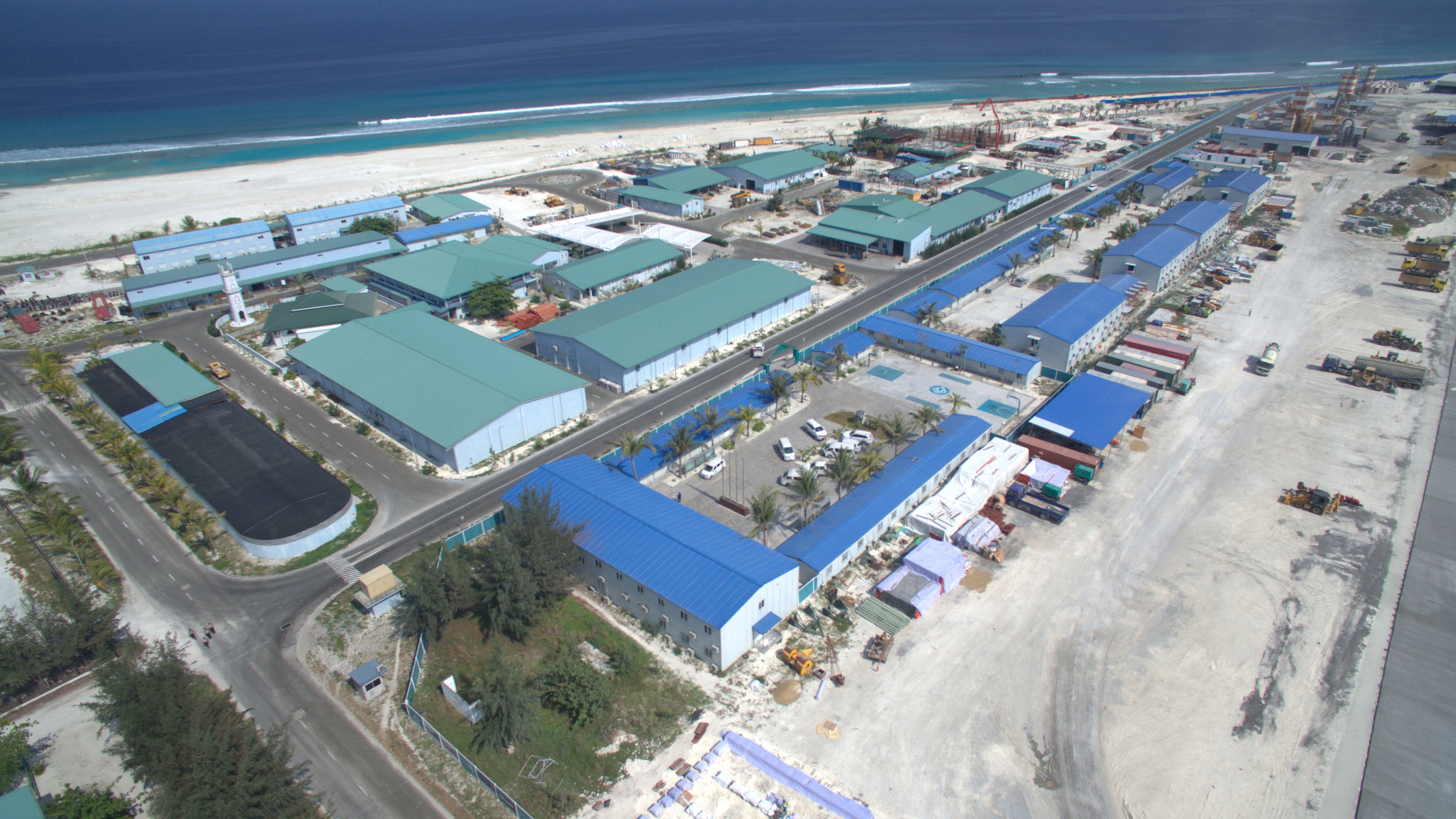
For offshore and coastal camps, CDPH emphasizes corrosion-resistant engineering. Its official descriptions highlight hot-dip galvanized steel structures, anti-corrosion coatings, corrosion-resistant material selection, and marine-grade materials to improve long-term durability in high-humidity, high-salinity, and salt-fog-heavy environments. This is particularly important for coastal mining sites, refinery support camps, and offshore energy projects, where corrosion can rapidly shorten the service life of standard structures.
3.3 Extreme Cold Climates
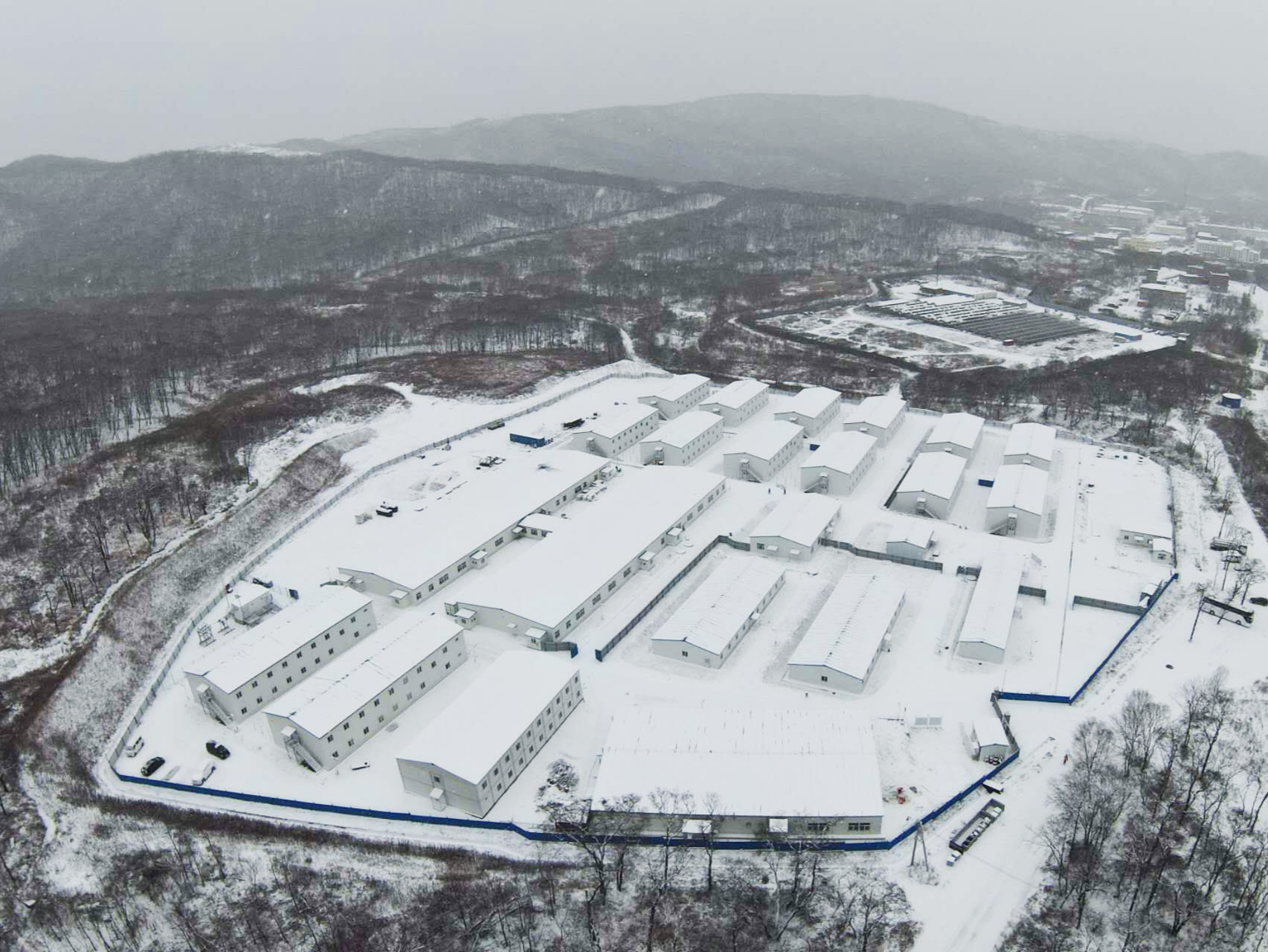
For very cold regions, CDPH offers cold-resistant container systems designed for low-temperature performance. Its published materials describe high-performance insulation, heating integration, anti-freeze water supply and drainage systems, and snow-load structural design. CDPH also states that it has customized extreme-cold solutions for Arctic conditions, with its EPC manual citing applications down to -57°C. These measures are essential for maintaining indoor habitability, preventing pipe freezing, reducing heat loss, and protecting camp continuity in remote winter operations.
3.4 Desert, High-Wind, and Sandstorm Climates
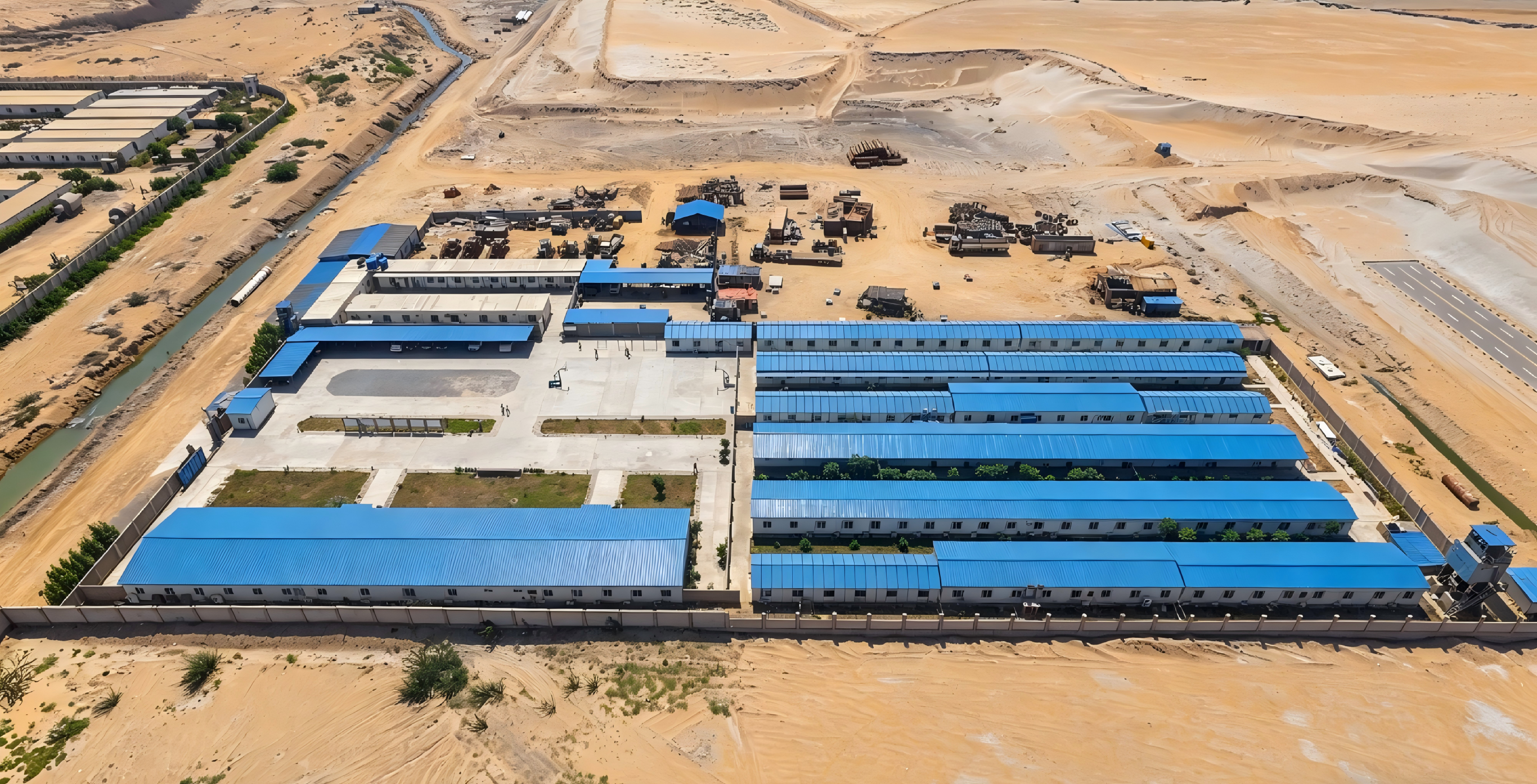
For desert and Gobi applications, CDPH has developed container housing engineered for heat, dust, sandstorms, and large temperature swings. Its official articles describe heat-resistant wall systems, sandstorm-resistant structures, dust-sealing design, weather-resistant exterior materials, and energy-efficient ventilation systems. These features help preserve structural integrity, improve cooling performance, and reduce the operational burden caused by airborne sand and extreme solar exposure. For mining and energy camps in the Middle East, Africa, and inland desert zones, such measures can make a major difference in service life and day-to-day usability.
4. The Strength of CDPH
One of CDPH’s key advantages is its integrated capability from camp planning to final delivery. Its official materials describe an end-to-end service model covering master planning, zoning, engineering design, modular manufacturing, logistics, warehousing, and on-site installation. For project owners, this reduces coordination complexity and helps ensure that the camp works as a complete system rather than a collection of disconnected products.
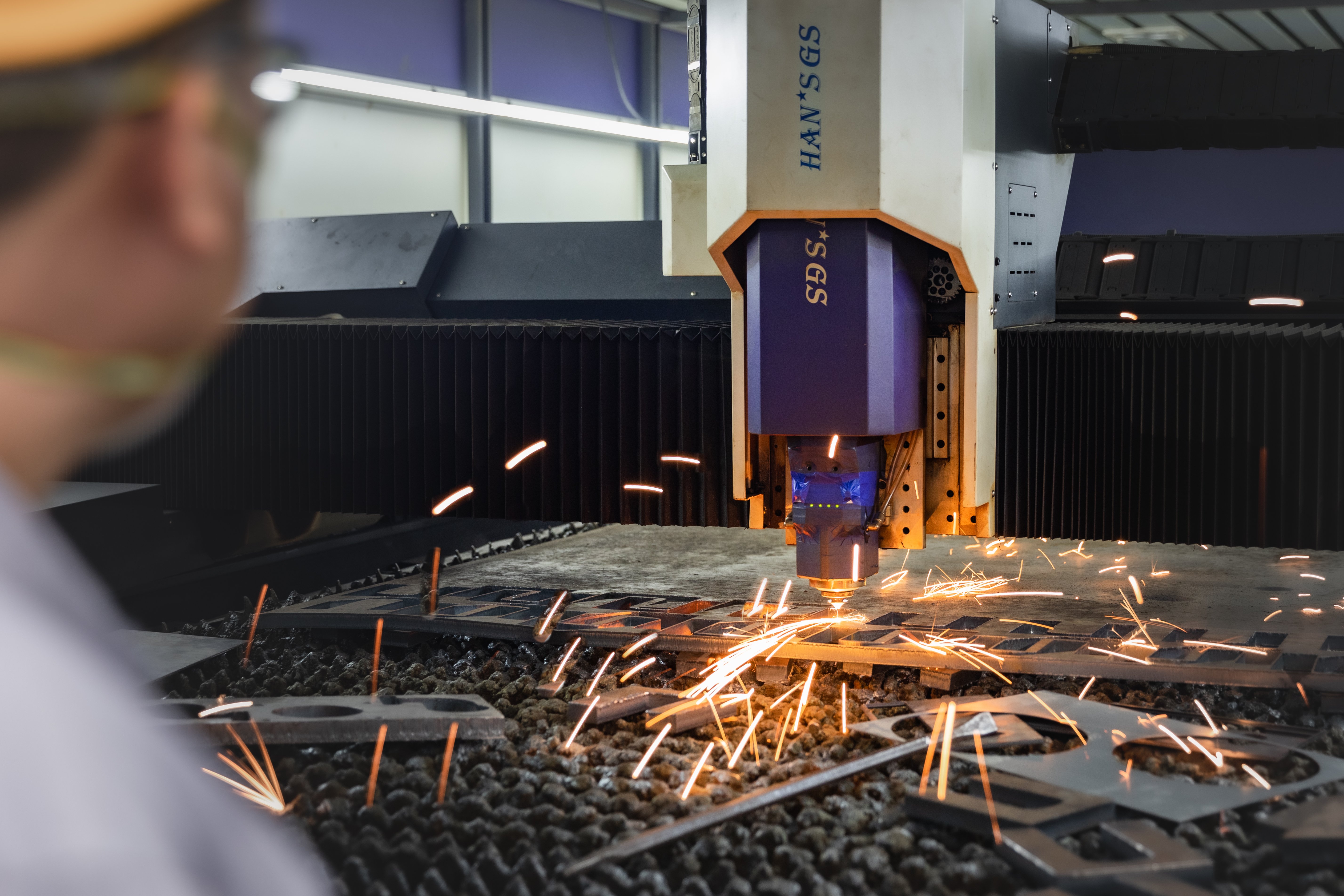
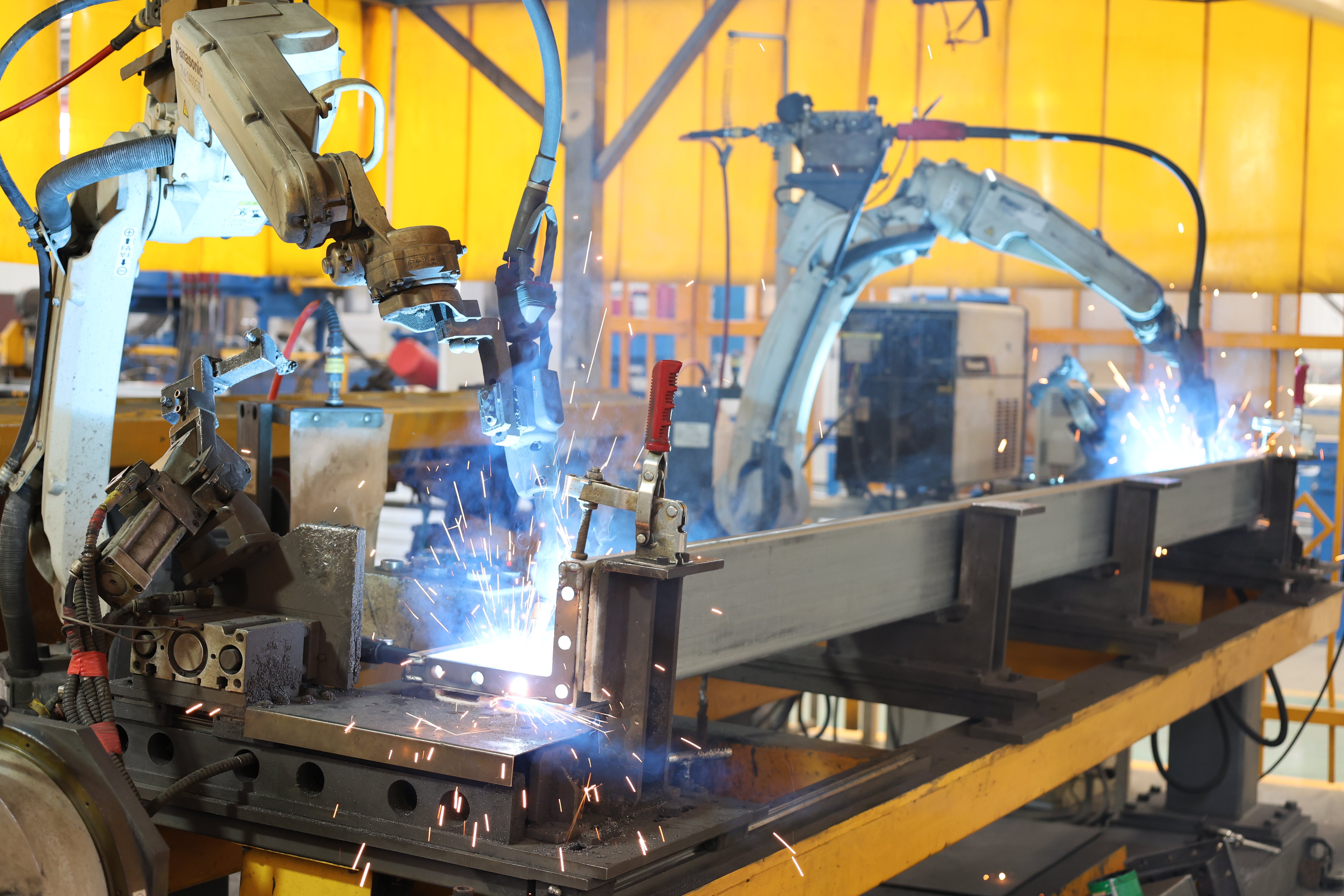
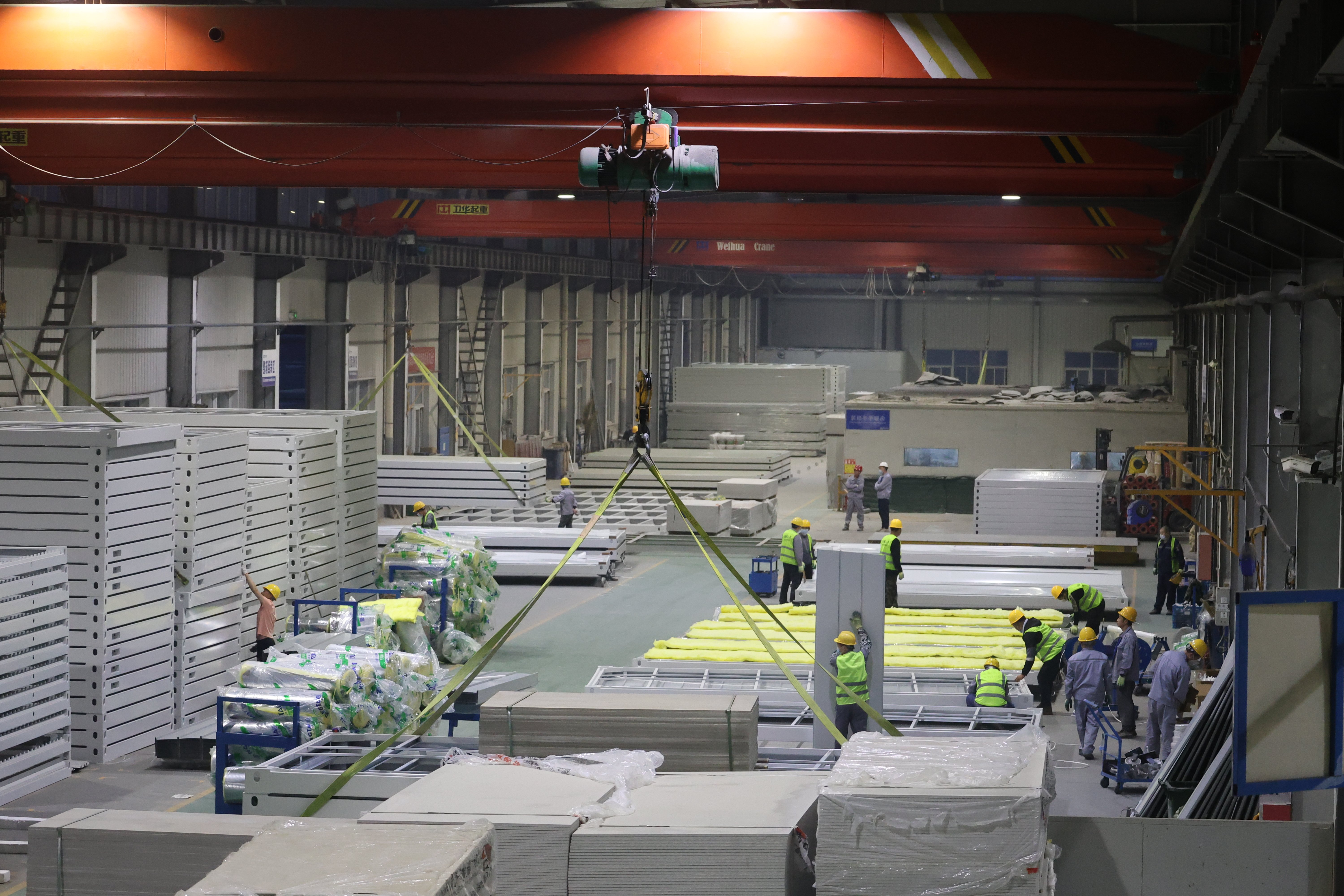
CDPH also highlights its manufacturing and design capacity. The company states on its homepage that it has “100+ internationally standardized engineers,” “3 Smart Factories,” and a global service network with 13 subsidiaries and offices worldwide. In a separate official mining camp article, CDPH also emphasizes “More Than 100 Professional Designers” and “Three Intelligent Manufacturing Bases,” while its EPC manual mentions three major manufacturing bases and a team of over 60 senior designers for rapid customization. Together, these claims position CDPH as a supplier with both scale and engineering responsiveness.
Most importantly, CDPH presents a strong international delivery record. Its official project and product pages repeatedly state that the company has completed over 4,000 projects across 100+ countries. For mining, energy, industrial, and infrastructure clients, this matters because climate-adapted camp delivery is not only about product design; it also depends on logistics management, standards compliance, and real experience in challenging environments.
Conclusion
Choosing container housing for a mining, energy, or industrial camp should always begin with climate analysis. The right solution is not just modular—it is climate-specific, operationally efficient, and durable across the full project lifecycle. From plateau camps and coastal anti-corrosion systems to Arctic cold-resistant units and desert sandstorm-adapted structures, CDPH has developed targeted camp solutions for some of the world’s most demanding environments. Backed by integrated planning-to-delivery capability, intelligent manufacturing bases, an international engineering team, and experience from more than 4,000 projects in over 100 countries, CDPH positions itself as a strong global partner for remote camp development.