EN
EN

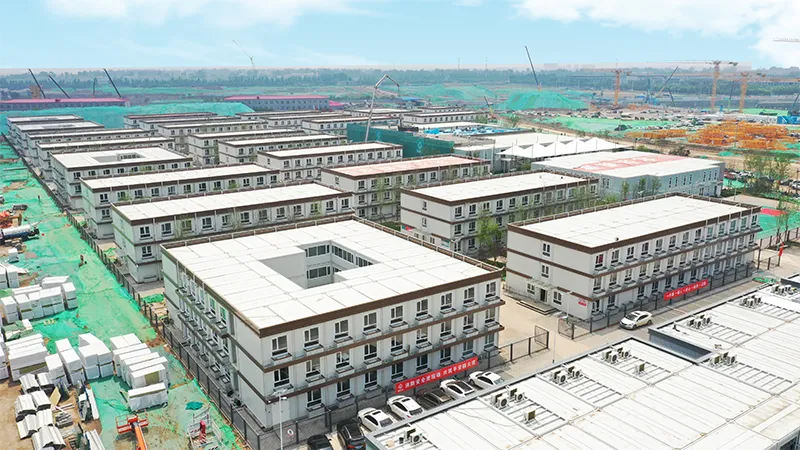
Why Construction Camp Builders Matter: Safety, Compliance, and Project Success
Experienced construction camp builders play an important role in project success because they help align safety, compliance, and operational needs from the start. Temporary housing is more than just a place for workers to stay. When it is properly planned and built, it can support workforce wellbeing, reduce operational disruptions, and help projects move forward more smoothly.
Choosing the right construction camp builder can have a meaningful impact on project performance through compliance, safety, and operational continuity. Builders with the right experience are more likely to understand the standards, coordination needs, and practical challenges involved in delivering workforce housing for remote or temporary project environments.
When temporary housing does not meet required safety or compliance standards, it can create serious project risk. Delays, rework, and regulatory issues may affect schedules, increase costs, and put pressure on the overall project timeline. For that reason, compliance should be treated as a core part of camp planning rather than an afterthought.
Substandard camps can also affect worker wellbeing and overall site safety. Poorly planned exits, limited sanitation, and inadequate support spaces may increase the chance of accidents or reduce comfort in day-to-day use. A well-designed camp should support both safety and basic living conditions for the workforce.
Professional builders often use a safety-by-design approach from the earliest planning stages. This may include clear evacuation routes, appropriate insulation, and other design choices that help the camp perform better in the expected environment. When these details are considered early, the project is usually easier to manage and more reliable in use.
This proactive approach helps reduce avoidable issues and supports more stable day-to-day operations. In practice, that means the camp is more likely to function safely while also supporting productivity on site.
When workers stay in facilities that are compliant, functional, and well supported by utilities, it can contribute to a better overall work environment. Comfortable accommodation, reliable services, and a well-organized layout may help support morale, focus, and day-to-day attendance.
Ultimately, working with skilled construction camp builders can turn temporary housing into a more effective part of the project plan. Instead of creating additional risk, a well-executed camp can support schedule stability, protect workforce wellbeing, and contribute to smoother project delivery.
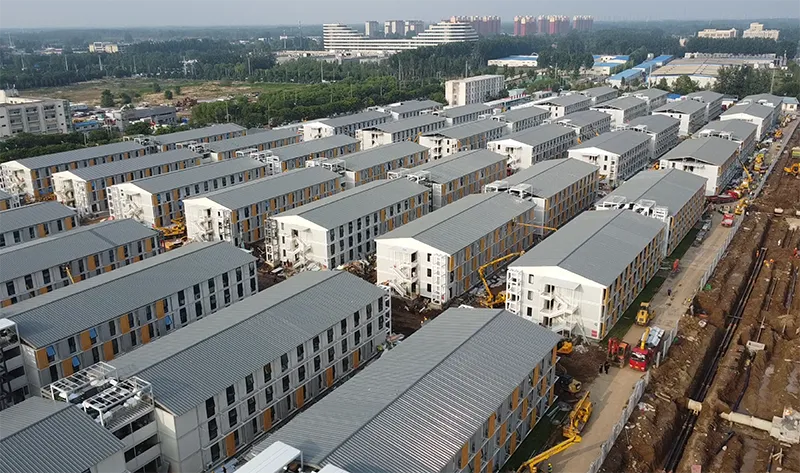
Key Evaluation Criteria for Construction Camp Builders
Proven Expertise in Code-Compliant Construction Camp Design and Build
Proven experience in code-compliant camp design and construction is one of the most important factors to evaluate. A qualified builder should understand regional building codes, fire safety requirements, and the practical needs of temporary workforce housing. Experience with modular construction can also be an advantage when fast deployment is needed.
When selecting a construction camp builder, it is important to confirm their familiarity with applicable building codes and safety regulations. The right partner should be able to demonstrate how past projects were designed and delivered in line with the requirements of the location and project type.
It is wise to prioritize firms with documented experience in meeting safety and fire protection requirements, especially for challenging environments. Projects in harsh weather, seismic zones, or other demanding locations usually benefit from builders who understand how to design for site-specific conditions.
Important considerations may include structural reliability, electrical system coordination, and accessibility planning. These elements help ensure that the camp is not only functional, but also practical and safe for daily use.
Modular construction experience can help support faster deployment while still maintaining compliance requirements. It is also useful to review relevant project examples to better understand how the builder handles permitting, coordination, and delivery on similar jobs.
Projects handled by builders with specialized code knowledge often experience fewer compliance-related setbacks. This is especially important when approvals, inspections, and schedule coordination all need to move forward in a controlled way.
Demonstrated Commitment to Health, Safety, and Wellbeing in Workforce Housing
Beyond structural compliance, strong builders also consider health, safety, and overall wellbeing in camp design. Temporary housing works best when it supports not just occupancy, but also comfort, functionality, and day-to-day livability.
Useful design features may include effective ventilation, practical layouts, quieter rest areas, and sanitation solutions that are easy to maintain. These elements can help create a healthier and more comfortable living environment for workers, particularly in remote settings.
In many remote projects, better living conditions are closely associated with improved worker wellbeing and fewer preventable issues. A thoughtful camp design can support both safety and morale over the course of the project.
When evaluating builders, it is useful to review their emergency planning, noise control considerations, and overall approach to occupant wellbeing. These factors can be especially important in isolated locations where support services are limited and the camp itself plays a major role in daily operations.
Matching Your Project Needs to the Right Construction Camp Solution
Turnkey, Modular, and Custom-Built Camp Options Compared
Different projects call for different construction camp solutions, including turnkey, modular, and custom-built options. The best choice depends on how quickly the camp must be delivered, how much flexibility is needed, and how closely the facility must respond to site conditions and project goals.
Choosing the right workforce housing format usually means balancing speed, flexibility, and compliance. Some projects need rapid deployment, while others require greater customization or long-term adaptability.
Turnkey solutions are often chosen when a project needs a camp that can become operational quickly. Because much of the coordination is handled in advance, this approach may help reduce mobilization complexity and support faster project startup.
Modular units offer a practical middle ground. They are often built from standardized components, which can help support efficient deployment while still allowing some level of adjustment or reconfiguration.
For sites with unusual terrain, environmental constraints, or special operational requirements, custom-built camps may be the better fit. These projects can be tailored more closely to the location and use case, although they may require more planning and a longer delivery timeline.
When comparing solutions, it is useful to review a few practical factors:
| Solution Type | Deployment Speed | Relocation Potential | Cost Efficiency |
|---|---|---|---|
| Turnkey | Fast | Low | High |
| Modular | Moderate to Fast | Moderate to High | Moderate |
| Custom-Built | Longer | Low | Variable |
Infrastructure Readiness: Site Assessment, Mobilization, and Utility Integration
Thorough site evaluation is an important part of camp planning because it helps reduce avoidable construction and operational issues. Before selecting a builder, it is wise to review terrain conditions, access routes, utility availability, and the practicality of mobilizing equipment to the site.
Before selecting a builder, it is important to assess terrain stability and transport access. These factors can affect foundation planning, delivery logistics, and overall installation efficiency.
It is also helpful to work with providers that understand utility integration. In remote locations, this may include water systems, power supply planning, waste handling, and other infrastructure needs that support daily operations.
Mobilization planning should also account for equipment access, installation sequencing, and site logistics. Clear planning at this stage can help reduce bottlenecks and keep the project moving efficiently.
During design finalization, it is important to confirm that the project aligns with applicable fire safety and environmental requirements. Addressing these details early can help reduce delays and support a smoother approval process.
Partnering with Construction Camp Builders: Red Flags and Best Practices
Selecting the right construction camp builder requires both careful evaluation and clear communication. A strong partnership can reduce project risk and help ensure that expectations are understood from the beginning.
Some warning signs to watch for include weak safety records, unclear compliance documentation, or reluctance to allow independent review. These issues may suggest a higher level of project risk and should be examined carefully before moving forward.
By contrast, reliable builders tend to be transparent about their processes and quality controls. Clear reporting, consistent communication, and documented safety procedures can all help support a smoother project.
Best practices usually include establishing clear communication from the start. Regular progress meetings, shared updates, and defined responsibilities can help keep the project aligned and reduce misunderstandings.
It is also useful to prioritize builders who consider worker wellbeing in their design approach. Features that improve comfort, reduce noise, and support temperature control can contribute to a better living environment and may help reduce fatigue over time.
It is also a good idea to compare the builder’s mobilization timeline with your project schedule and review relevant past project records when available. This helps confirm whether the builder can deliver the camp in a way that fits the broader plan.
Careful due diligence can help ensure that workforce housing supports the project rather than creating unnecessary complications. When the right builder is selected, the camp is more likely to function as a practical part of the overall operation.
FAQs
What are the key benefits of hiring experienced construction camp builders?
Experienced builders can help improve safety, support compliance, and reduce coordination problems. Their knowledge can make it easier to deliver workforce housing that fits the project’s operational needs.
Why is regulatory compliance important for construction camps?
Regulatory compliance is important because it helps reduce the risk of delays, rework, and safety issues. It also supports a smoother approval and inspection process.
What types of construction camps are available?
Common options include turnkey, modular, and custom-built camps. Each one offers different benefits depending on project speed, flexibility, and site conditions.
How do I assess the safety record of a construction camp builder?
You can evaluate a builder by reviewing past projects, safety procedures, compliance documentation, and references when available. Third-party inspections and clear reporting practices can also be useful indicators.
What features enhance workforce wellbeing in construction camps?
Features that support workforce wellbeing may include good ventilation, practical layouts, quieter rest areas, and reliable sanitation systems. These elements can help improve comfort and daily living conditions.
Table of Contents
- Key Evaluation Criteria for Construction Camp Builders
- Matching Your Project Needs to the Right Construction Camp Solution
- Partnering with Construction Camp Builders: Red Flags and Best Practices
-
FAQs
- What are the key benefits of hiring experienced construction camp builders?
- Why is regulatory compliance important for construction camps?
- What types of construction camps are available?
- How do I assess the safety record of a construction camp builder?
- What features enhance workforce wellbeing in construction camps?