EN
EN

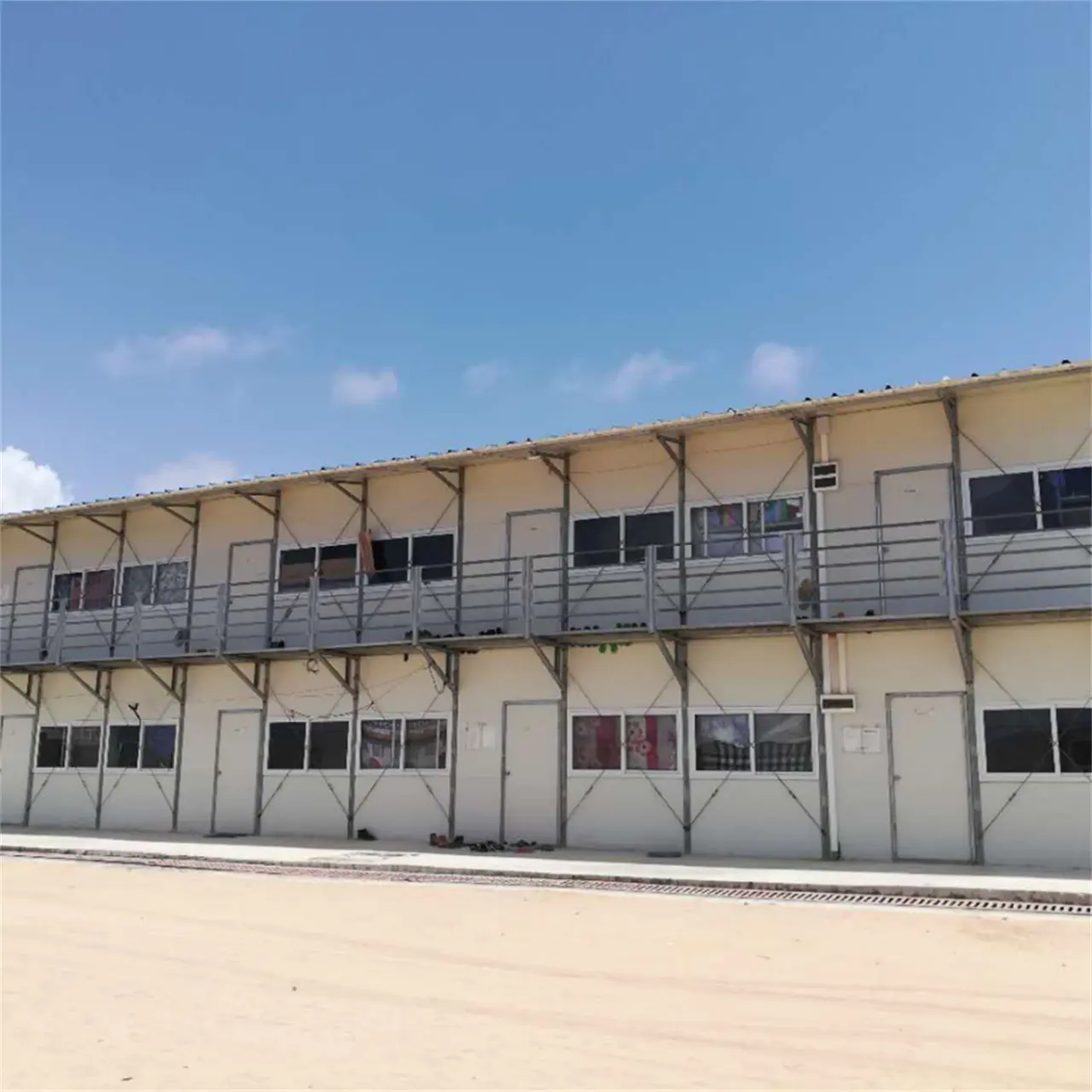
Understanding Temporary Workforce Housing and the Evolution of Man Camps
Temporary workforce housing has evolved in response to the needs of remote projects in energy, mining, and infrastructure. As major work sites expanded into areas with limited housing and support services, the demand for practical, deployable accommodation grew. Over time, modular and prefabricated solutions became more common because they could be installed faster, adapted more easily, and used to support crews working in challenging environments.
The early development of man camps was closely tied to the needs of energy, mining, and infrastructure projects. These sectors often operate in remote locations where permanent housing is limited, making temporary accommodation an important part of project planning. As a result, housing solutions began to evolve toward more scalable and practical designs that could support rotating crews and changing site demands.
The term “man camp” has gradually given way to “temporary workforce housing” as the industry has become more structured and more inclusive. In the past, many of these accommodations were informal and basic. Today, they are more likely to be designed with safety, compliance, and occupant comfort in mind. This shift also reflects a broader change in how companies think about workforce accommodation, diversity, and professional standards.
As temporary workforce housing has matured, the design expectations have become more demanding. Modern facilities often include improved fire protection, clearer emergency exits, better sanitation, and more functional living spaces. These upgrades help create a safer and more practical environment for workers while also making it easier to meet applicable regulations.
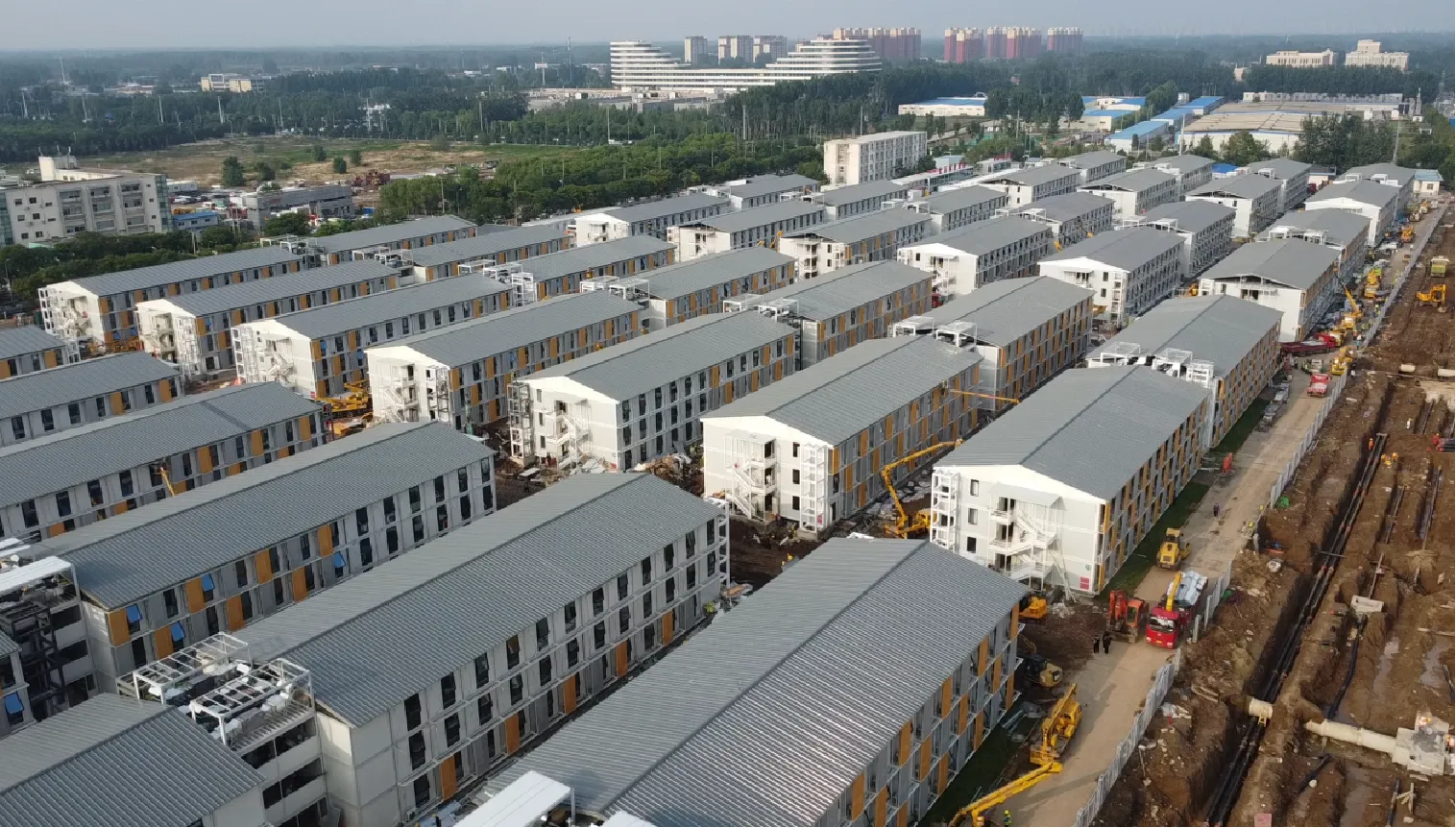
Designing Compliant and Human-Centered Man Camp Housing
Designing compliant and human-centered temporary workforce housing means balancing regulatory requirements with the needs of the people who will live there. A well-planned camp should support safety, daily comfort, and operational efficiency at the same time. When those priorities are considered early, the result is usually a facility that works better for both project teams and occupants.
Regulatory alignment is a key part of planning temporary workforce housing. Depending on the project location, designs may need to account for workplace safety standards, fire code requirements, and local zoning or health regulations. Addressing these expectations early can help support a smoother approval process and reduce the risk of costly revisions later.
Modern temporary workforce housing is moving toward more flexible and more occupant-friendly design. Pod-based layouts can make it easier to adapt accommodations as crew sizes change, while gender-inclusive sanitation facilities and more thoughtful common areas can improve usability and comfort. In some projects, design elements that bring in more daylight, green space, or quieter communal areas also contribute to a better living experience.
Operational Realities: Managing Labor Retention, Community Relations, and Sustainability
Operating temporary workforce housing involves more than providing beds and basic services. Labor retention, community relations, and sustainability all play an important role in how successful a project camp will be over time. When these factors are managed well, the housing can support smoother operations and reduce avoidable friction during the project lifecycle.
Worker retention is often influenced by the quality of living conditions on site. Comfortable sleeping areas, reliable food service, recreation options, and practical support facilities can make temporary housing more livable and help reduce turnover. In remote projects, these factors can be especially important because workers depend on the camp for much of their daily routine.
Community relations are also an important consideration for temporary workforce housing projects. Camps can affect traffic, services, and local infrastructure, so early communication with surrounding communities can help reduce concerns and improve project acceptance. In many cases, local hiring and shared infrastructure planning can also help build stronger relationships with nearby stakeholders.
Sustainability is becoming a bigger part of how temporary workforce housing is planned and operated. Many projects now look for ways to reduce resource use, improve energy efficiency, and manage water and waste more responsibly. Modular construction, renewable power options, and more efficient utility systems can all support a more sustainable camp operation.
Conclusion
Temporary workforce housing has developed from a basic logistical necessity into a more strategic part of project planning. As expectations for safety, comfort, sustainability, and community responsibility continue to grow, the design and operation of these facilities matter more than ever. When camps are planned well, they can support project continuity, workforce wellbeing, and long-term operational resilience.
FAQ
What is temporary workforce housing?
Temporary workforce housing refers to modular or prefabricated accommodation designed to support workers on remote or short-term projects. These facilities are usually planned for fast deployment, practical use, and basic livability.
How has the term “man camps” evolved?
The term “man camps” has gradually shifted toward “temporary workforce housing” as the industry has become more formal and more inclusive. The newer term better reflects modern standards for safety, comfort, and workforce diversity.
What are the key regulatory requirements for temporary workforce housing?
Requirements can vary by location, but they often include workplace safety rules, fire code compliance, and local zoning or health regulations. Early planning helps make compliance easier to manage.
What are some modern design trends in temporary workforce housing?
Current design trends include modular layouts, more inclusive sanitation facilities, and spaces that support comfort and wellbeing. Many projects also aim to improve flexibility and usability as site needs change.
Why are sustainability and community relations important?
Sustainability helps reduce environmental impact, while community relations help support project acceptance and smoother operations. Together, they play an important role in the long-term success of temporary housing projects.