EN
EN

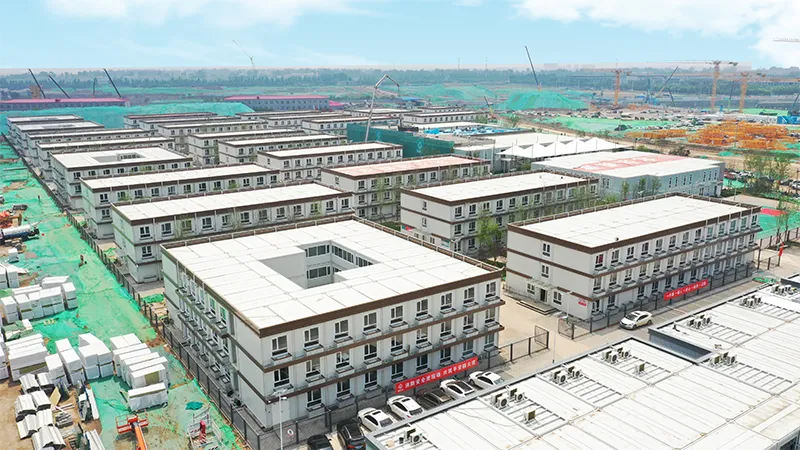
Why Construction Containers and Prefab Camp Houses Are the Smart Choice for Site Housing
Construction containers and prefab camp houses are often a practical choice for site housing because they offer speed, flexibility, and reliable performance. Compared with traditional construction, these solutions can be deployed faster, adapted to changing project needs, and moved more easily when required. For many temporary workforce housing projects, that combination makes them especially valuable.
For temporary workforce housing, construction containers and prefab camp houses can provide a highly efficient solution. Their modular format makes it easier to plan, transport, and install housing units without the same level of disruption that often comes with conventional building methods.
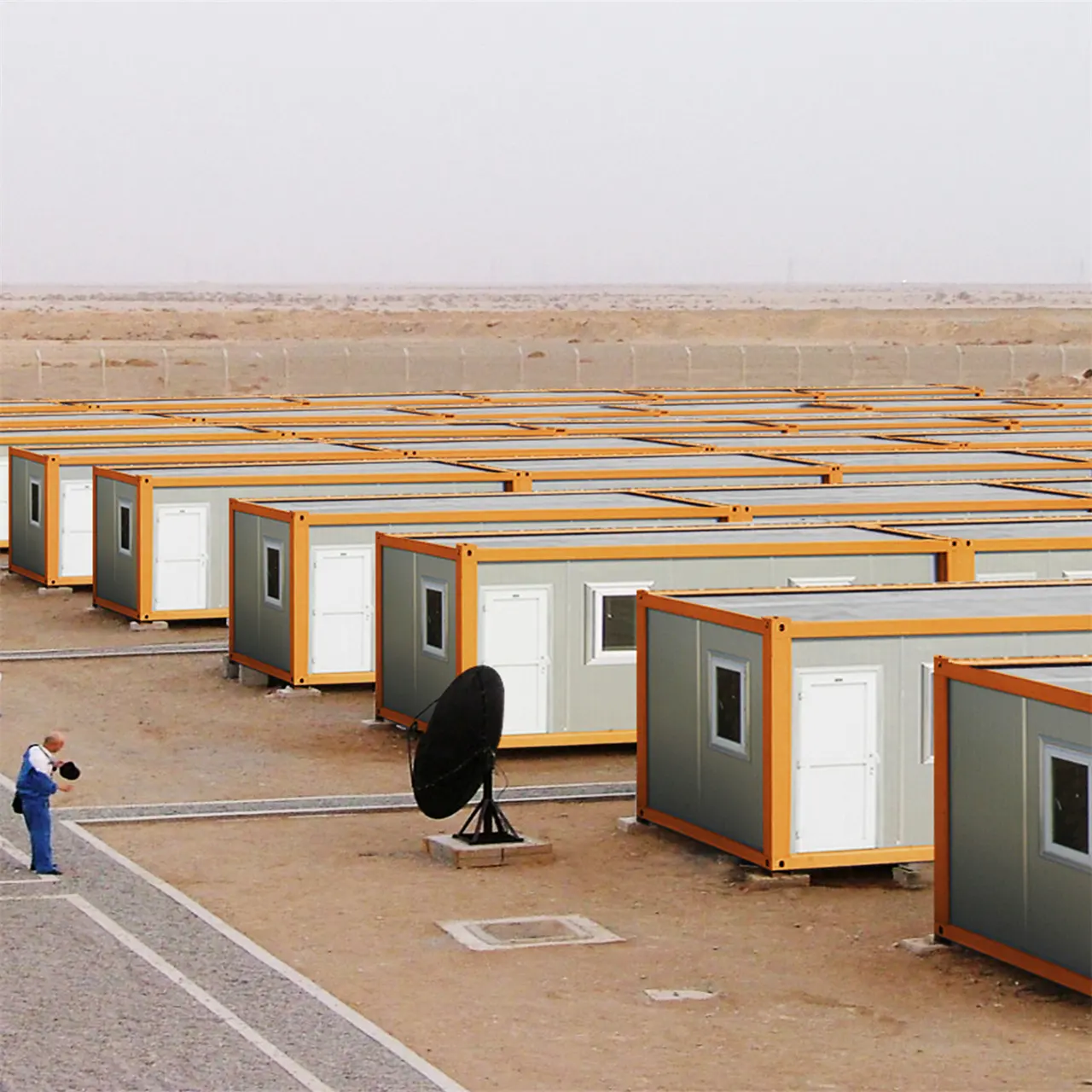
Unlike traditional site-built projects, modular housing solutions are often easier to deploy quickly and with less on-site complexity. This can help reduce scheduling pressure and support faster project readiness when accommodation needs to be in place early.
Factory-controlled manufacturing also helps support more consistent quality and better material efficiency. Because many components are produced in a controlled environment, it is easier to maintain repeatable standards and reduce avoidable waste during fabrication.
This level of consistency can also support safety and durability. Features such as fire-resistant materials, structural reinforcement, and quality-controlled assembly help create housing that is better suited to active site conditions.
Cost efficiency is another major advantage. Because modular units can often be reused or relocated, the initial investment may be spread across multiple projects, which can improve overall value over time.
Climate adaptability is another important consideration. Well-designed prefab camp houses can be adapted for cold, hot, wet, or windy environments using insulation, elevated foundations, weather-resistant cladding, and other site-specific design features.
In many cases, units can also be delivered with compliance planning already built into the procurement process. This may include attention to accessibility, utility connections, fire safety, and energy requirements, which can help reduce the need for major on-site adjustments later.
For project managers, the benefits can extend beyond the housing units themselves. Faster deployment, more predictable budgets, and scalable capacity all help simplify planning and reduce operational friction during the project.
Key Applications of Construction Containers on Active Sites
Construction containers are used on active sites for a wide range of practical purposes. They can serve as temporary accommodation, offices, storage spaces, or hybrid work areas depending on the needs of the project.
Their steel-frame construction makes them well suited to demanding site conditions. Containers are often durable enough to handle transport, stacking, and use in environments where dust, vibration, and weather exposure are common.
Temporary Accommodation and Multi-Functional Facility Units
One of the main advantages of construction containers is their versatility. A single unit can be configured as a dormitory, office, storage space, or multi-purpose room, making it easier to adapt to changing site requirements.
Security is another important factor on active sites. Lockable container units can help protect tools, equipment, and personal protective gear, especially in projects where materials need to be stored safely between shifts.
Multi-functional configurations can also support sanitation, first-aid, and break-room needs. This flexibility makes container-based solutions especially useful on remote or fast-moving projects where space and time are limited.
Rapid-Deployment Support for Remote Infrastructure Projects
For remote infrastructure projects, prefab camp houses and construction containers can provide a fast and practical housing solution. Their mobility makes them suitable for projects that need accommodation or support facilities in locations where permanent infrastructure is limited.
Standardized module dimensions also make transportation and handling more manageable. This helps improve logistics planning and can simplify movement across road, rail, or maritime routes depending on the project location.
Critical On-Site Installation Requirements for Prefab Camp Houses
Installing prefab camp houses successfully requires careful site preparation. Foundations, terrain conditions, utility placement, and crane access all need to be considered early in the process.
Foundation Systems and Terrain Adaptation
The right foundation system depends on the site conditions and the intended service life of the camp. Stable sites may work well with slab foundations, while sloped, soft, or uneven ground may require piers or other elevated support systems.
If site-specific geotechnical conditions are ignored, the project may face settling issues, utility misalignment, or long-term performance problems. Early testing and planning help reduce those risks.
Utility Integration and Crane Logistics
Utility integration and lifting logistics should be planned before installation begins. When module placement, utility routes, and equipment access are coordinated early, the installation process is usually smoother and less prone to delays.
How to Select the Right Prefab Camp Houses and Construction Containers
Selecting the right prefab camp houses or construction containers depends on project duration, climate, and local requirements. The best solution is usually the one that fits the site conditions while also supporting safe and efficient use over the expected project timeline.
Matching Specifications to Project Duration, Climate, and Local Regulations
Project duration, climate exposure, and local regulations should all influence product selection. Short-term deployments may call for simpler, faster-to-install units, while longer-term projects may benefit from more robust insulation, better corrosion resistance, and more durable structural components.
Regulatory alignment should begin early in the procurement stage. Confirming zoning, permitting, utility, and occupancy requirements in advance can reduce the risk of unexpected changes during installation.
It is also important to work with suppliers who have experience in your target jurisdiction. Proven familiarity with local approval processes can make it easier to move from design to installation without unnecessary delays.
Conclusion
Construction containers and prefab camp houses offer a practical answer to many site housing challenges. Their speed, adaptability, and efficiency make them useful for projects that need temporary accommodation, remote deployment, or flexible support facilities. When selected and installed with the right planning, they can help improve project flow, reduce complexity, and support a more reliable working environment.
FAQ
What are construction containers used for?
Construction containers can be used as temporary housing, offices, storage spaces, or multi-purpose work areas on active sites.
How quickly can prefab camp houses be operational?
Prefab camp houses can often be deployed faster than traditional construction, especially when the design and site preparation are planned in advance.
What factors should be considered for choosing prefab camp houses?
Important factors include project duration, climate conditions, local regulations, and required safety or compliance features.
How do prefab camp houses handle extreme climates?
They can be designed with climate-specific features such as insulation, weather-resistant cladding, reinforced structures, and appropriate HVAC systems.
Are construction containers cost-effective?
Yes, they can be cost-effective because they are reusable, relocatable, and often easier to deploy and manage than traditional site-built options.