EN
EN


Why Prefabricated Staff Accommodation Is the Strategic Choice for Modern Construction Worker Accommodation
Prefabricated staff accommodation is becoming a strategic choice for modern construction projects because it offers speed, flexibility, and better control over quality. When projects take place in remote areas or under tight deadlines, worker housing needs to be delivered quickly without disrupting the wider construction schedule. Prefabricated accommodation helps meet that need by shifting much of the building process off-site and allowing installation to move forward more efficiently.
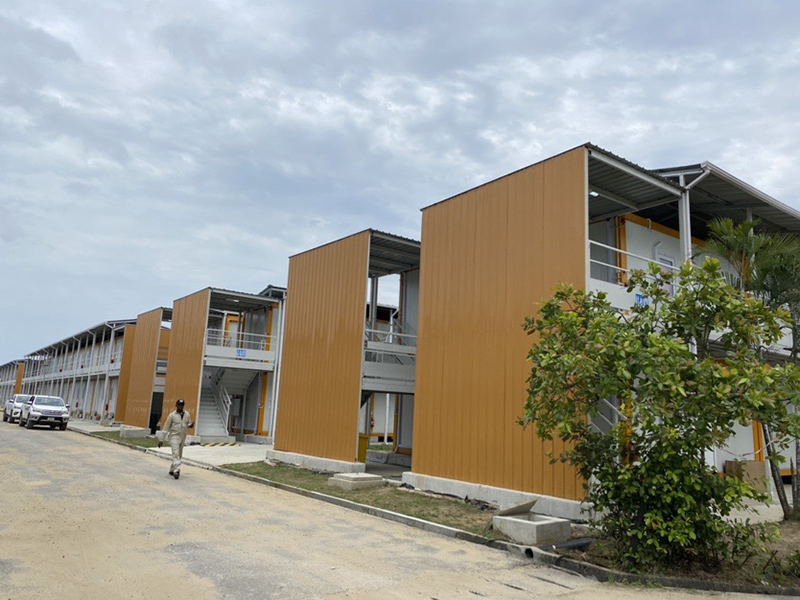
Rapid Deployment and Site Readiness
One of the biggest advantages of prefabricated staff accommodation is the ability to get housing ready quickly. Because units are manufactured in a factory setting, site preparation and building production can happen at the same time. This helps reduce delays caused by weather, labor shortages, or difficult site conditions.
For construction teams, faster housing availability means workers can be supported sooner and projects can move forward with fewer interruptions. In many cases, prefabricated accommodation helps improve mobilization by aligning worker housing with equipment delivery and site setup, which creates a more organized and efficient project start.
Lifecycle Cost Efficiency
Although prefabricated accommodation may require a higher initial investment than very basic temporary structures, it can offer better value over time. Factory production often helps reduce waste, improve material use, and limit on-site labor requirements. These efficiencies can make the overall project more cost-effective by reducing delays and supporting a smoother installation process.
Another important benefit is reusability. High-quality prefabricated modules can often be moved, repurposed, or maintained for multiple projects, which helps extend their useful life. This makes prefabricated staff accommodation a practical choice for companies that want a housing solution with long-term value rather than a short-term fix.
Designing Compliant and Functional Construction Worker Accommodation Layouts
A successful worker accommodation layout needs to support both comfort and operational efficiency. Sleeping areas, sanitation spaces, dining facilities, and wellbeing zones all need to work together as part of a clear and organized site plan.
Well-designed accommodation should provide privacy, rest, and easy access to essential services. Covered walkways, good circulation routes, and logical placement of facilities can all improve day-to-day use while helping the site remain safe and functional. When the layout is planned well, the accommodation supports both the workforce and the wider project.
Essential Facility Integration: Sleeping, Sanitation, Dining, and Wellbeing Spaces
Modern construction worker accommodation often includes more than just bedrooms. It may also feature shared sanitation blocks, dining areas, rest spaces, and recreation zones that help improve comfort and support worker wellbeing.
These features are especially important in demanding project environments where workers spend long periods away from home. By integrating these facilities into one coordinated layout, prefabricated accommodation creates a more practical and supportive living environment. This can help improve morale, reduce fatigue, and make the site more efficient overall.
Regulatory Alignment and Quality Control
Prefabricated staff accommodation is often chosen because it can be designed with compliance in mind from the start. Instead of adding safety features later, the building can be planned around the project’s functional, environmental, and regulatory needs from the beginning.
Good prefabricated systems are typically built with attention to ventilation, access, fire safety, structural stability, and energy performance. This makes them easier to adapt for different regions and project types. Factory quality control also helps improve consistency, which can be especially valuable when accommodations need to be used in locations with stricter building or safety expectations.
Climate-Resilient and Certified Prefabricated Staff Accommodation for Global Project Sites
Construction worker accommodation often needs to perform well in difficult climates, whether that means extreme cold, high heat, strong winds, or humid environments. Prefabricated buildings can be designed with weather-resistant materials, secure connections, and insulation systems that support reliable performance in these conditions.
This adaptability makes them suitable for projects in a wide range of locations. When designed properly, prefabricated accommodation can offer dependable living conditions while also reducing maintenance needs and improving long-term site performance.
Scalable Modular Systems: From Temporary Camps to Fully Integrated Worker Accommodation Villages
Another important strength of prefabricated staff accommodation is scalability. Projects may begin with a small housing need and later expand as workforce demands grow. Modular systems make it possible to add more units, shared facilities, or support buildings without redesigning the entire site.
This phased approach allows construction teams to match accommodation capacity to actual project needs. Instead of overbuilding at the start or running short on space later, the site can develop in stages. This flexibility makes prefabricated accommodation especially useful for long projects, changing workforces, and complex project environments.
Conclusion
Prefabricated staff accommodation is a strategic solution for modern construction worker housing because it combines fast deployment, long-term flexibility, and better control over quality and site planning. It supports both immediate project needs and future expansion, making it a practical choice for construction teams working in demanding conditions. For projects that require reliable worker housing with strong operational value, prefabricated accommodation offers a smart and adaptable approach.
FAQ
What are the key benefits of prefabricated staff accommodation?
Prefabricated staff accommodation offers faster deployment, better quality control, flexible layouts, and long-term value. It can also help improve site organization and worker comfort.
How does prefabricated accommodation compare to traditional builds?
Prefabricated accommodation is usually faster to install and easier to scale than traditional construction. It can also help reduce waste and support more predictable project planning.
Are prefabricated accommodations suitable for extreme environments?
Yes. They can be designed for a wide range of climates and site conditions, including cold regions, hot regions, and remote project locations.
What facilities are integrated into these accommodations?
They often include sleeping areas, sanitation spaces, dining facilities, and wellbeing areas that support daily use and worker comfort.
Are these structures scalable?
Yes. Modular accommodation systems can be expanded over time as project needs grow, making them suitable for both temporary camps and larger worker villages.
Table of Contents
- Rapid Deployment and Site Readiness
- Lifecycle Cost Efficiency
- Designing Compliant and Functional Construction Worker Accommodation Layouts
- Essential Facility Integration: Sleeping, Sanitation, Dining, and Wellbeing Spaces
- Regulatory Alignment and Quality Control
- Climate-Resilient and Certified Prefabricated Staff Accommodation for Global Project Sites
- Scalable Modular Systems: From Temporary Camps to Fully Integrated Worker Accommodation Villages
- Conclusion
- FAQ