EN
EN

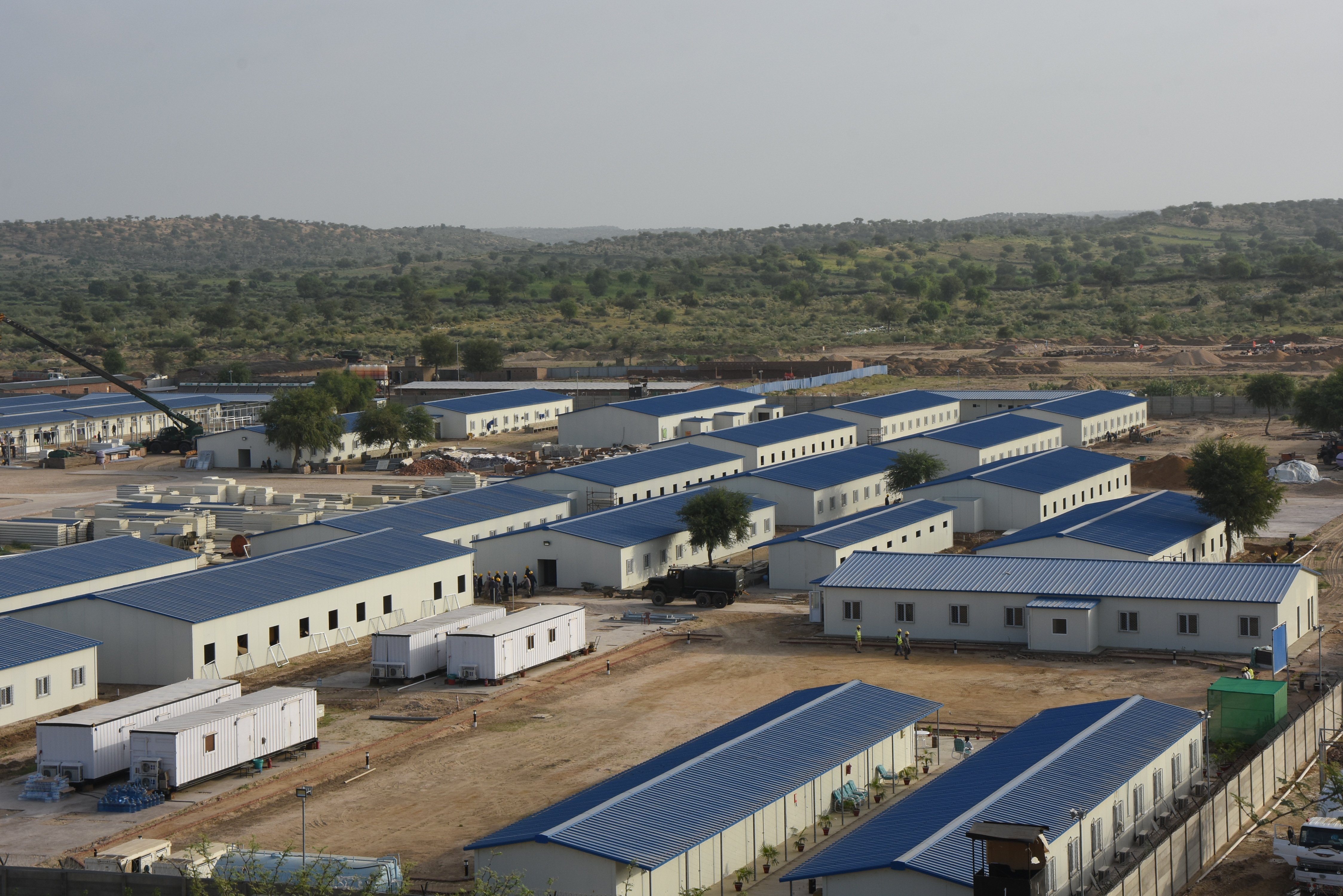
Breaking ground for a large infrastructure and construction project kicks off more than a countdown—it initiates the expense of housing your workforce. Long commutes drain a project’s resources, hotel bills are costly, and traditional, site-constructed lodging can take many months. But for project managers who need reliable, budget-friendly worker housing on demand, modular construction provides an effective solution—affordable worker accommodations ready in weeks, not months.
Planning for Speed: The Modular Advantage
A critical factor enabling a construction timeline that leads to 30-day lodgings is moving part of the building process from the field to the factory. When you make a smart switch to modular accommodations, offsite, environmentally-controlled building can take place concurrently with campsite preparations. This approach slashes on-site construction time to a fraction. A worker dormitory accommodating 100 individuals, for instance, could take merely several weeks with the modular approach, versus many months for a brick and concrete camp.
Installation for a modest, 50-person camp could conceivably be finalized in 3 to seven days after ground and foundation readiness. A well-resourced project can see a medium-sized camp operating in just 48-72 hours, with a handful of installers. Parallel operations–where the construction modules are being produced while site-preparatory efforts occur on the site—ensure that accommodations are available when staff need it the most.
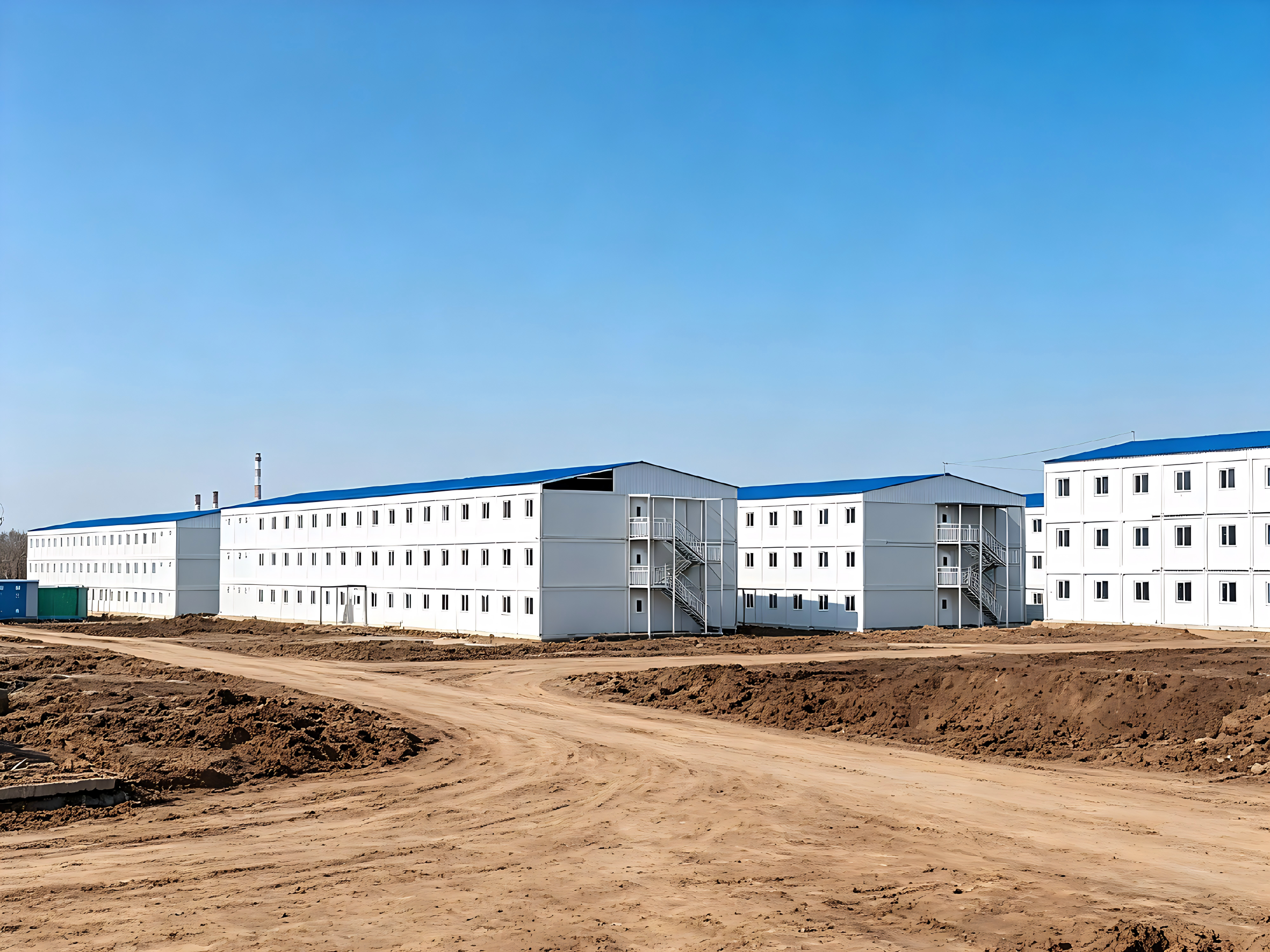
A variety of accommodation systems fit this accelerated timeline, including custom modular housing, prefabricated housing, steel structures, Apple Cabins and Letin rooms. In nearly every situation, assembly involves nothing more than using simple hand tools; there is never any need for heavy lifting equipment or welding—bolting together prefabricated units is usually all that’s required.
Designing for Functionality and Comfort
Housing does not must be inefficient, or unattractive. Worker’s comfort level and general contentment should support the performance goals of their work as directly, indirectly, it impacts job results. The workers amenities that are often incorporated into a 30-day installation are a matter of necessity and often reflect considerations: Prebuilt wiring and plumbing are typically included; insulated panels can offer comfort and climate control, and fire-rated building materials reduce risk.
The structural and physical arrangement plan also matters considerably toward effective building and comfortable accommodations. To accommodate different worker schedules and activities, for example, separating sleeping space from service facilities and the recreation space in a 30-day arrangement is a smart and effective design principal—as does maintaining separate, well-spaced walking thoroughfares and providing central placement for eating and medical care services. Adequate separation distances prevent unwanted congestion and promote airflow and personal space.
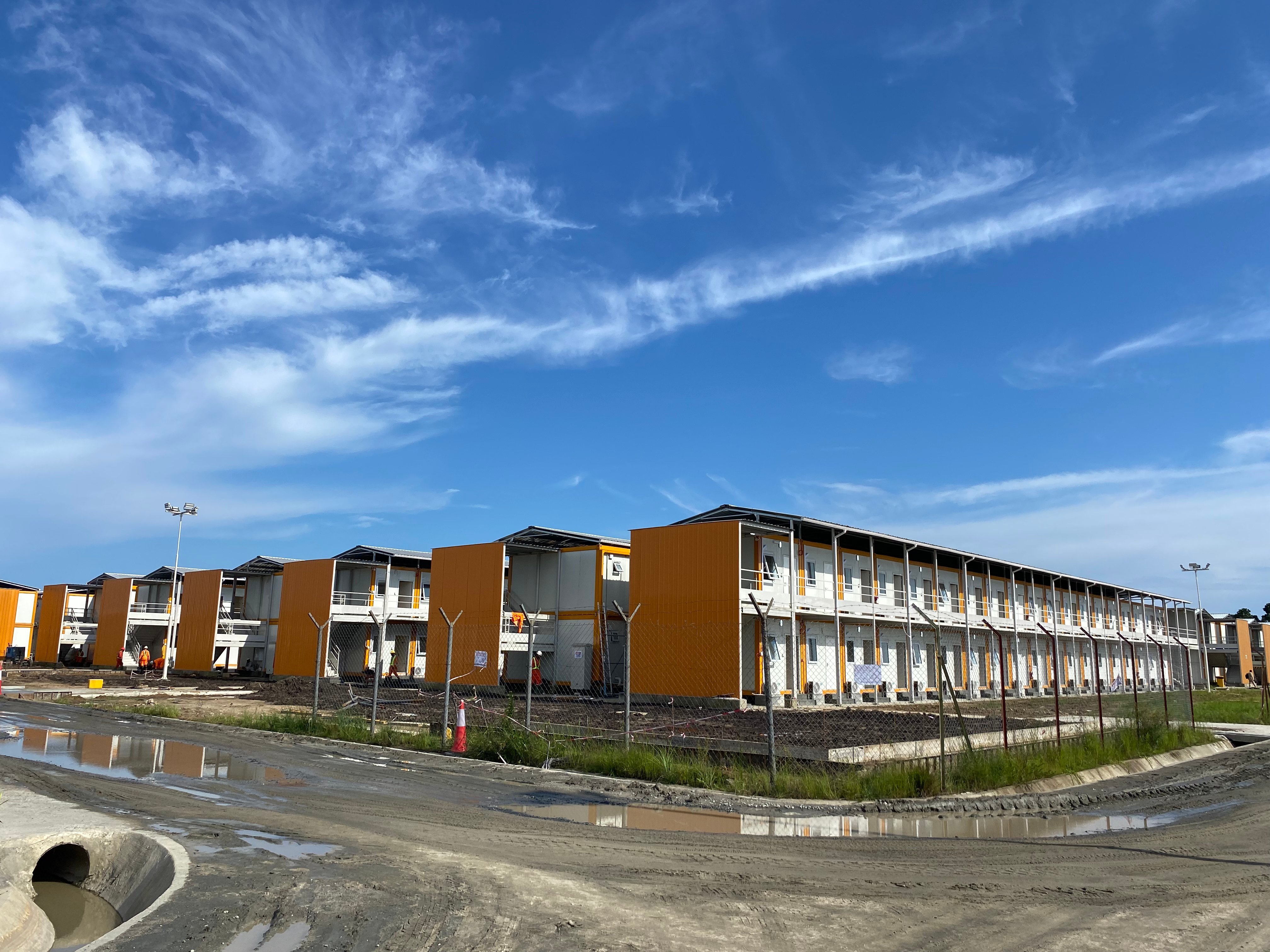
Large projects can utilize multiple units together, to comprise canteens, administrative workplaces, laundry facilities, and also the required sanitary infrastructure. This same architectural arrangement and building materials strategy used throughout the installation simplifies both assembly and maintenance of even the most complex accommodations layouts.
Managing Site Preparation and Logistics
The 30-day deployment strategy implies that site preparation may begin in advance of onsite arrivals of accommodations. Typically site preparation—such as landscaping, drainage systems and plumbing access–can account for 15-25% of the overall budget, though the number is relative to existing infrastructure and other site specific factors. Utility connections at a new installation can require nothing more than a simple tie-in if adjacent to existing utilities, or they could involve installing new underground lines for a far-off site location.
Land use permitting and municipal approvals should occur well in advance of site work—it may require very little in expense in more rural environs, but zoning ordinances or permits could take a bit longer and cause some added expenses. Choosing modular builders with a global supply network helps. A globally sourced modular supplier can help obtain documentation necessary in your region, streamline logistics, and overcome permitting processes that might seem unfamiliar.
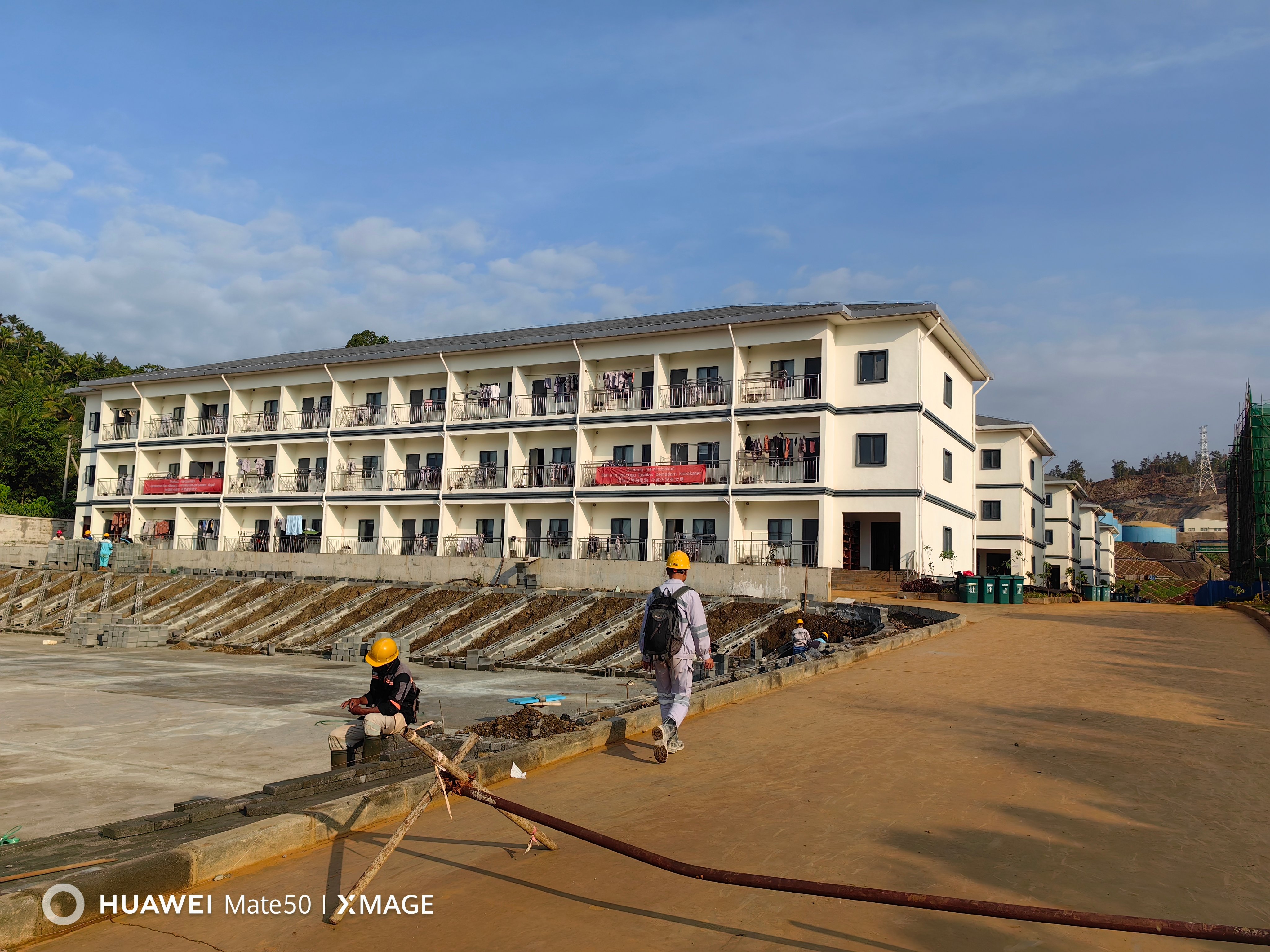
Purchasing directly from modular manufacturers brings added value and cuts cost. Companies that maintain a vertical supply process may use a more efficient material stream, resulting in lower overall costs. ISO 9001 certification ensures that your accommodations are built to a universally accepted standard of quality management processes—compliance with international standards makes them globally recognizable as well.
Building for the Long Term and Future Projects
Long-term value is built into the accommodation system. While sometimes built for only a limited time, such accommodations made from galvanized steel panels and quality insulating compounds can often remain functional for 15 to 25 years. This means that the 30-day structure can be a value-generating commodity instead of a temporary drain on the resources.
At the closure of a project, modules could be disassembled, transported, and reassembled for continued use at a second work location or on a future project.
Linear projects such as pipelines and highways greatly benefit from reusable construction units that can be moved with a moving workforce; many container type modular accommodations can be broken down and assembled for redeployment in a day or two. For savvy project managers, the initial investment becomes a resource with extended lifespan that may be shared over numerous projects to lower accommodation costs significantly; additionally it provides flexibility for scaling an accommodation facility on demand, or for its future need to accommodate personnel changes.
CDPH (HAINAN) COMPANY LIMITED has 28 years of experience in the field of Modular Accommodation. With 13 subsidiaries globally and 3 major production facilities, CDPH has successfully delivered over 4,000 major projects and offers world-class camp solutions to over 100 countries. Contact CDPH now to plan how your next project may benefit from our robust, yet economical worker accommodation solutions.