EN
EN

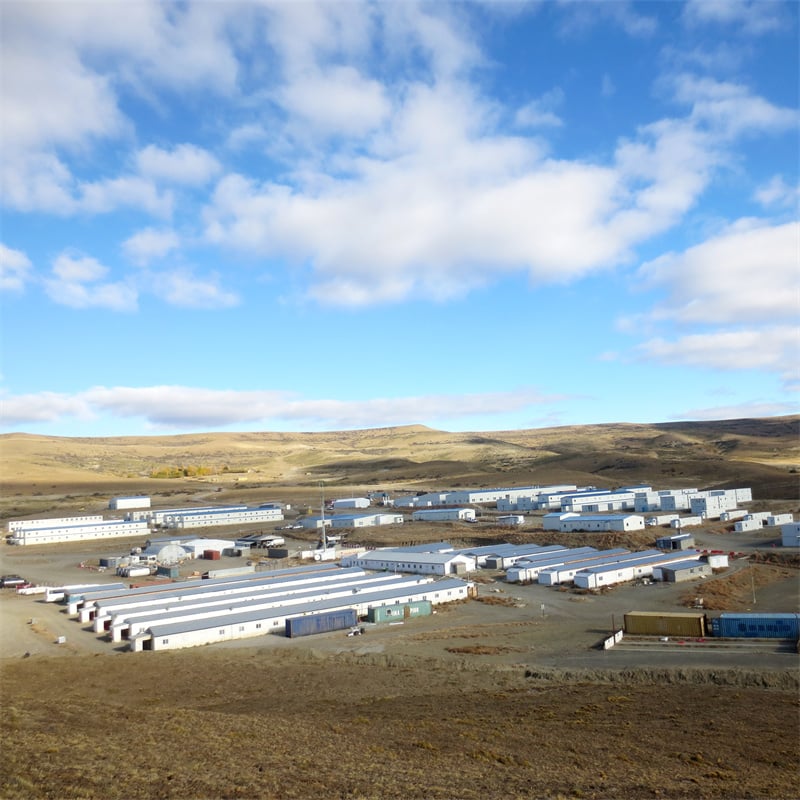
Controlling costs goes hand-in-hand with managing your time when there’s a large project on your plate. Your bottom line can take a hit with employee housing costs-these all fall under the category of your operating costs. This alone prompts the need to ask if modular or traditional construction makes more business sense bottom-line-wise. It’s sometimes tempting to stay with familiar options. However, the cost savings on the construction time, ongoing operating costs and your asset’s appreciate rate mean it’s always worth your bottom-line time and attention.
Comparing Prefab Modular vs. Traditional Brick Construction ROI
The ROI on your project comes in at a multitude of aspects; it has to do with the rate of return over its entire lifetime. The return in ROI doesn’t come strictly from construction expenses-in fact it, relies on faster deployment of-and operational efficiency from-your worker accommodation infrastructure. It takes between 12-18 months to construct a medium worker camp-whether a house, prefabricated units or even temporary housing solutions —and sometimes longer. This significantly sets your project installation schedule-leaving you without the return-and tied up in a new asset that isn’t generating revenue. Using a pre- fabricated system that can be manufactured off-site while site prep happens concurrently, you can reduce installation lead time of months to weeks. The turnaround with an installed worker camp with happy, employed individuals goes from many months down to weeks-putting the money on your projects back into your ROI rather than locked up in labor, and construction materials.
Rather than spending time to plan, prepare and place slab foundation and then spend time laying bricks or other materials-and then spending time installing windows, and doors, building roof frame, placing roof materials, and interior and exterior finishing in your various buildings, prefabricated workers housing can have camp facilities installed much faster-an obvious win for your ROI. Furthermore, faster installation saves you a huge number of months in your project plan that may otherwise have resulted in losses tied to building expenses—money that can be immediately put back into work site activities, with higher rates of investment.
Energy Saving Technologies for Long-Term Utility Bills Control
The amount spent for utility costs is typically highest when a camp gets fired up; this amount can be exorbitant-especially out on rugged sites without direct utility access. Thankfully modern technology utilized in prefab construction a damp; design reduce operating costs in a number of different ways.
By design, it may be simpler to create a better sealed and therefore more insulated work environment with a pre-fabricated unit, as many come pre-packaged in super-insulated sandwich panels designed to retain insulation. Prefab insulated panels will ensure minimal loss of internal climate (warm in cool conditions, cool in warm conditions)-such a process of preserving climate saves power for maintaining internal temperature-keeping utility expenses at a much lower rate. Prefab modules are an excellent candidate for a solar setup-with their roof design as optimal surfaces for your solar arrays. These panel provide your workforce-living at that given site-power with very little or no electricity bills compared to relying solely on expensive, often polluting, diesel fuel-run generators. Your prefabricated structure roofs also provide ample room for outdoor lighting fixtures, energy-saving appliances and solar panel frameworks needed.
Resale Value and Demountable Asset Management
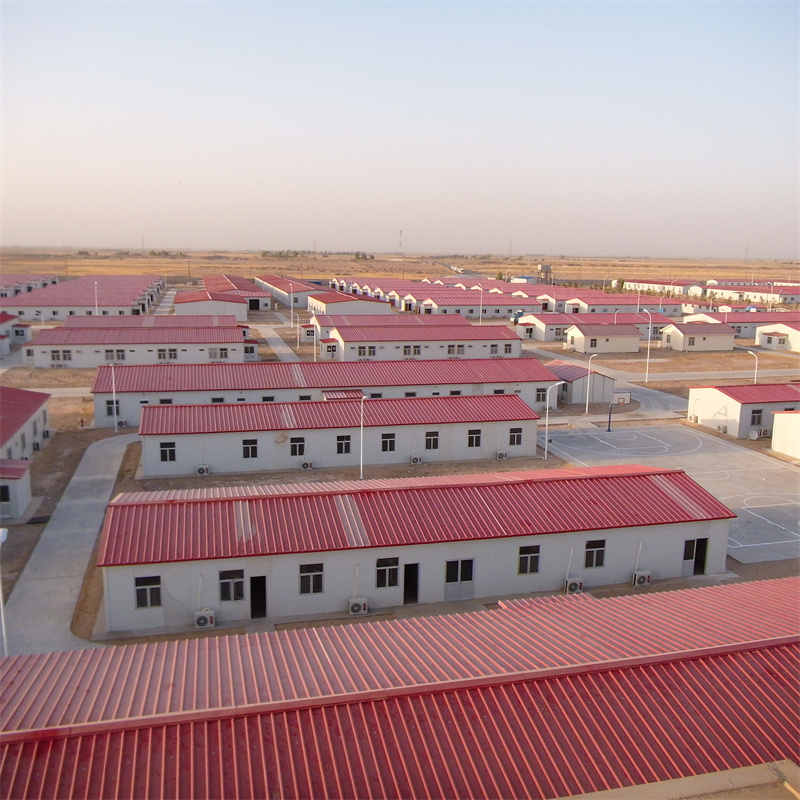
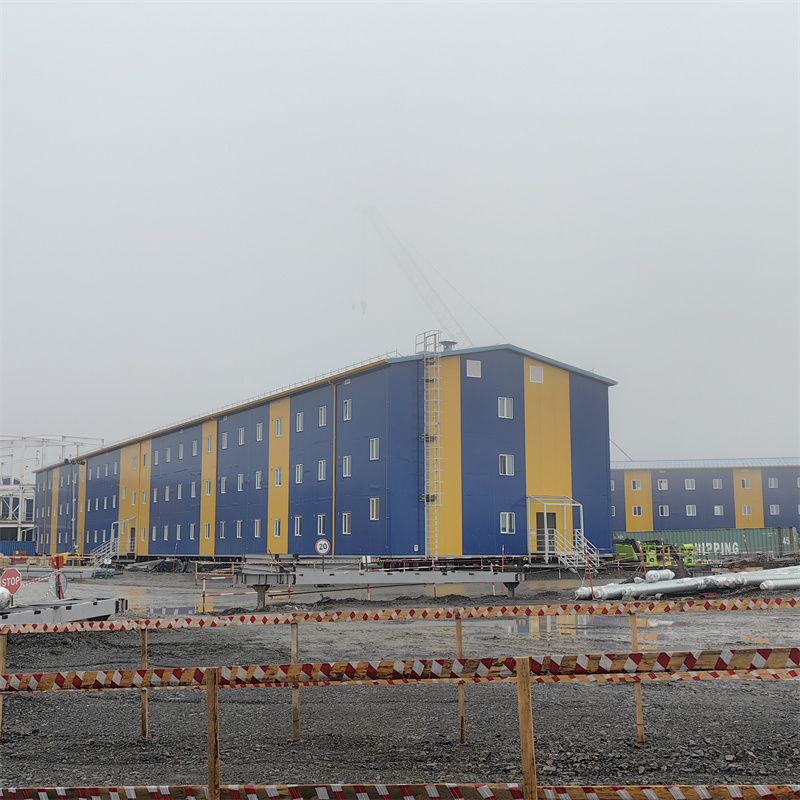
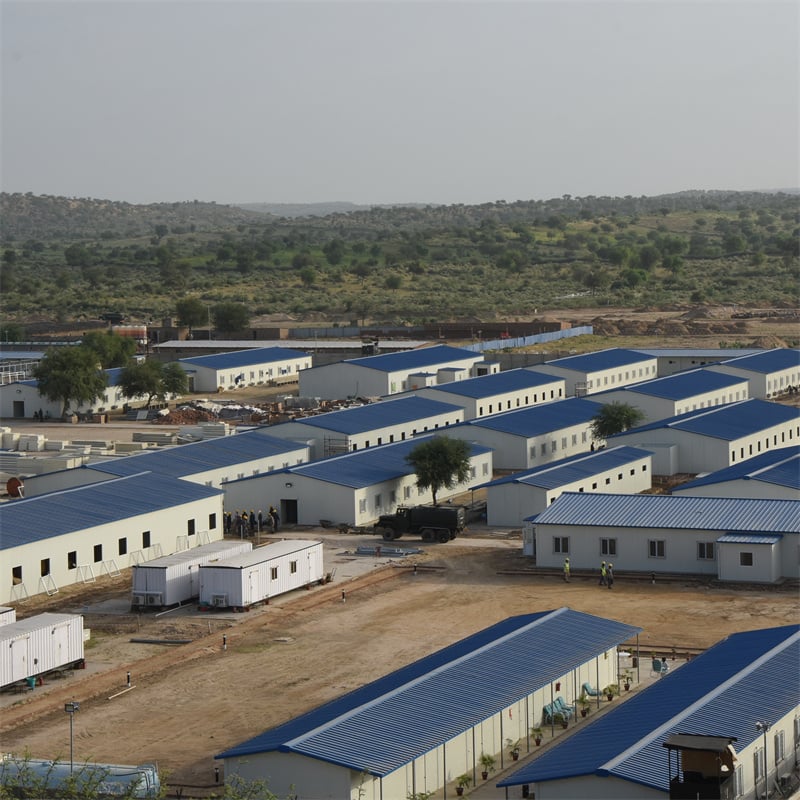
The unique advantage when selecting a building option-like prefab on a site that is temporary- is that you’re not stuck with building you now have to find another purpose for, such as, another brick house or office building that doesn’t suit other uses. A traditional brick or concrete based structural build becomes a fixed asset post project completion at which point it is only worthy at the material scrap value, which for most brick and concrete materials can become a landfill trip resulting in an enormous loss of the of value of what was an invested amount. However, a worker camp comprised of pre-fabricated modular units is what’s known as a demountable asset-it can be taken down from its initial location and can-and will likely-be relocated and reconfigured. This is of immense importance when the primary asset consideration goes beyond simple utility and functionality, because a demountable facility like prefab provides your enterprise with ‘ asset protection.’ this is Mobility and Long-Term Value Preservation Unlike their brick counterparts-you’re not forced to lose a huge part of your investment when the project concludes. Instead of building a new worker facility each time you commence anew industrial operation in another geographic location you can transport, and simply reassemble your pre-existing camp as required by job demand. This can significantly reduce the long term operating cost associated with any remote workers lodging requirements. Prefab workforce housing offers unparalleled economic benefits. Lower construction costs and faster to develop, reduced operating costs for the life of use and-as an investment-the unparalleled and long-standing benefits of retaining your investment with a readily demountable, readily transportable and ready-to-resell piece of real-estate like a camp, for long term returns.