EN
EN

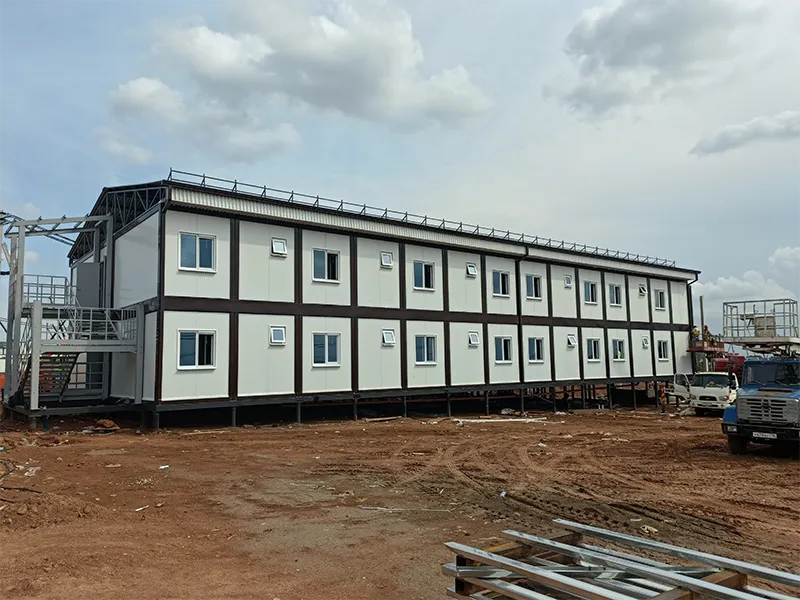
Assessing Your Modular Site Accommodation Needs
Project Duration, Occupancy Capacity, and Functional Requirements
Accurately gauging your project timeline is the cornerstone of selecting appropriate modular site accommodation. Short-term projects (under 6 months) typically benefit from standard units with minimal customization, while longer engagements require enhanced durability and climate control systems. Simultaneously, calculate peak occupancy—overcrowding reduces worker productivity by 12% (Journal of Occupational Health, 2023)—and align unit capacity accordingly. Functional needs like electrical load, plumbing complexity, and accessibility (e.g., ADA-compliant ramps) must be mapped early. For instance, remote clinics demand medical-grade HVAC and soundproofing, whereas site offices prioritize data cabling and meeting spaces.
Matching Prefab Accommodation Units to Use Cases: Site Offices, Classrooms, Clinics, and Worker Housing
Prefab accommodation units deliver targeted solutions when matched to operational contexts. Site offices thrive with compact, secure units featuring integrated IT infrastructure. For educational settings like classrooms, acoustically optimized layouts with natural lighting boost engagement. Medical clinics require sterilizable surfaces and partitioned consultation zones. Worker housing, conversely, emphasizes privacy and amenities:
- Single-occupancy units reduce conflict in high-stress projects
- Communal kitchens and laundries cut operational costs by 18% versus outsourced services
Avoid repurposing office units for housing—misalignment accelerates wear and increases maintenance costs by 30%. Modular design’s inherent flexibility allows reconfiguration as needs evolve, such as converting classrooms to labs during project phases.
Preparing the Site for Prefab Accommodation Units
Grading, Drainage, and Access Planning for Temporary Site Use
Proper site preparation prevents costly delays and structural issues. Start by clearing debris and vegetation to create a level building area. Grading must slope away from the unit (minimum 2% incline) to prevent water pooling—a leading cause of moisture damage in modular structures. Drainage systems should direct runoff at least 5 feet from foundations. Simultaneously, plan access routes wide enough for delivery trucks (typically 12–15 feet clearance) with reinforced surfaces to support heavy equipment. Temporary sites often require erosion control measures like silt fencing, especially near waterways.
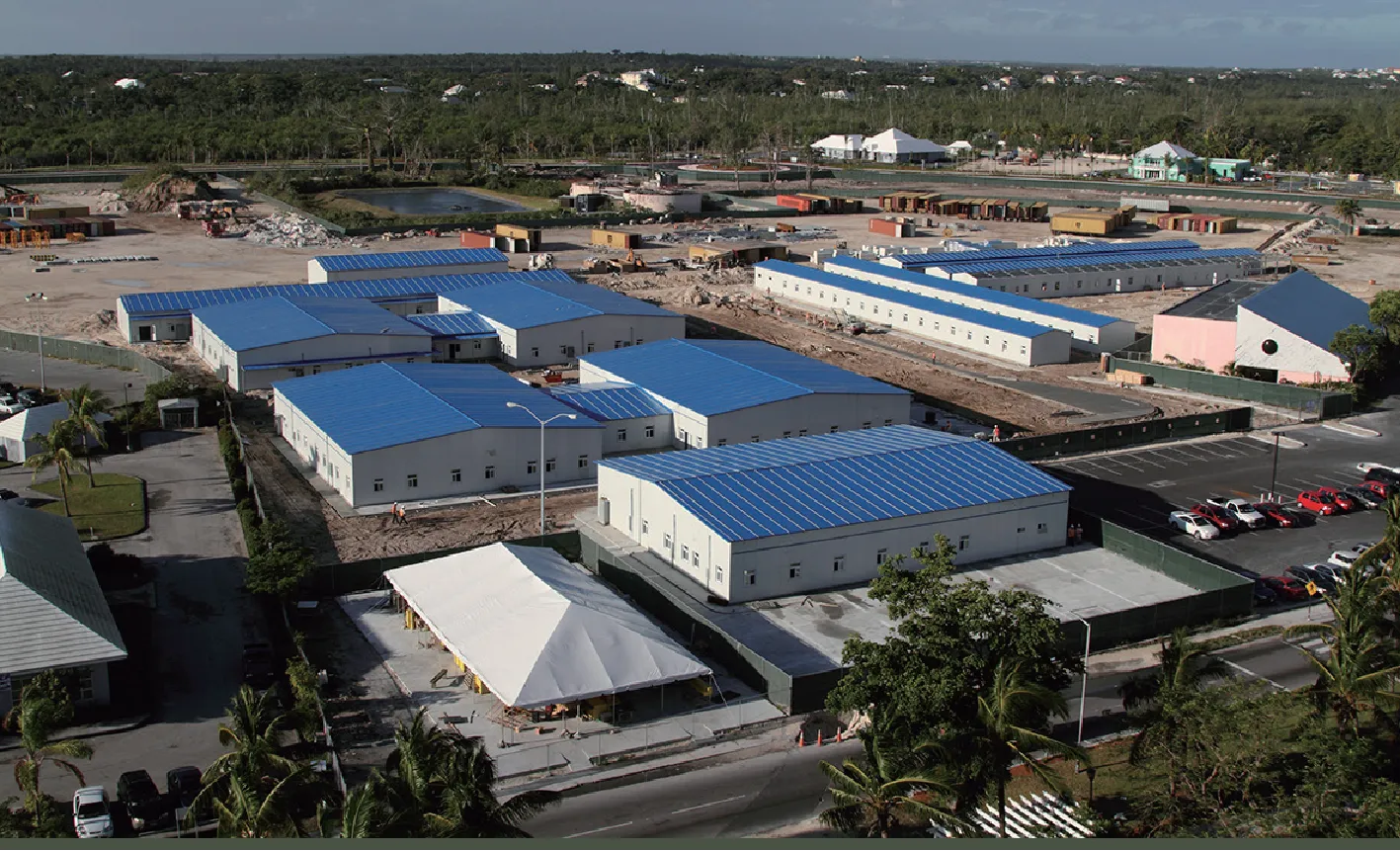
Foundation Options: Slab-on-Grade, Piers, and Adjustable Steel Supports — Balancing Stability and Relocatability
Selecting the right foundation depends on soil conditions, project duration, and future relocation needs.
| Foundation Type | Cost per Unit | Installation Time | Best For | Relocation Ease |
|---|---|---|---|---|
| Slab-on-Grade | $8k–$15k | 7–10 days | Permanent installations | Low |
| Concrete Piers | $5k–$9k | 3–5 days | Moderate-term sites | Moderate |
| Adjustable Steel Supports | $3k–$6k | 1–2 days | Temporary deployments | High |
Concrete slabs offer maximum stability but require soil compaction testing. Piers work well on uneven terrain but need frost-depth footings in cold climates. For fully relocatable prefab accommodation units, galvanized steel support systems allow height adjustments and rapid disassembly. A 2022 industry analysis showed steel supports reduced redeployment costs by 52% compared to traditional foundations. Always verify local code requirements for seismic or wind loads.
Transporting and Installing Modular Site Accommodation Units
Logistics Planning: Route Surveys, Permits, and Load Restrictions
Thorough logistics planning minimizes delays and costs when transporting prefab accommodation units. Route surveys identify obstacles like low bridges or weight-restricted roads, ensuring safe passage. Permits for oversized loads are often mandatory, with load restrictions dictating trailer specifications—for example, multi-axle setups distribute weight to prevent road damage. This proactive approach reduces transit risks by up to 30% compared to unplanned moves, keeping projects on schedule.
On-Site Assembly: Crane Strategy, Lifting Points, and Sequential Placement for Multi-Unit Sites
Efficient on-site assembly relies on crane strategy to place modules accurately. Engineered lifting points ensure balance during lifts, while sequential placement—starting with anchor units—streamlines multi-unit setups. Crane access planning prevents congestion, and teams typically complete placements in under 48 hours for standard sites, maximizing efficiency.
Ensuring Compliance, Quality, and Long-Term Performance of Prefab Accommodation Units
Guaranteeing regulatory adherence and structural integrity begins with upfront design certification against local building codes and industry standards like ISO 9001. Manufacturers integrate quality control at every production phase—from material sourcing (high-grade steel frames outperform wood in harsh environments) to final inspections. Third-party verification reduces defects by 15% versus self-monitored workflows (Construction Safety Council, 2023). Long-term resilience hinges on material durability and planned maintenance cycles; for instance, galvanized steel cladding extends service life to 30+ years with minimal upkeep, cutting lifetime costs by 40% compared to basic alternatives. Performance monitoring post-installation—including thermal efficiency audits and structural load tests—ensures prefab accommodation units maintain occupant safety and functionality across relocations.
Frequently Asked Questions
Consider project duration, peak occupancy capacity, functional requirements like electrical load, plumbing, accessibility, and specific unit needs tailored to your project's purpose.
How are prefab accommodation units matched to different use cases?Units are matched based on operational contexts, such as integrated IT infrastructure for site offices, acoustically optimized layouts for classrooms, and sterilizable surfaces for medical clinics.
What site preparations are necessary for the installation of prefab units?Site preparation involves clearing debris, proper grading for drainage, erosion control, and ensuring access routes are suitable for delivery equipment.
Which foundation type works best for relocatable prefab units?Adjustable steel supports are ideal for temporary, relocatable deployments as they provide stability while allowing rapid disassembly and height adjustments.
How can I ensure compliance and durability for modular site accommodations?Ensure design certification against local codes, integrate quality control during production, plan regular maintenance cycles, and monitor long-term performance post-installation.