EN
EN

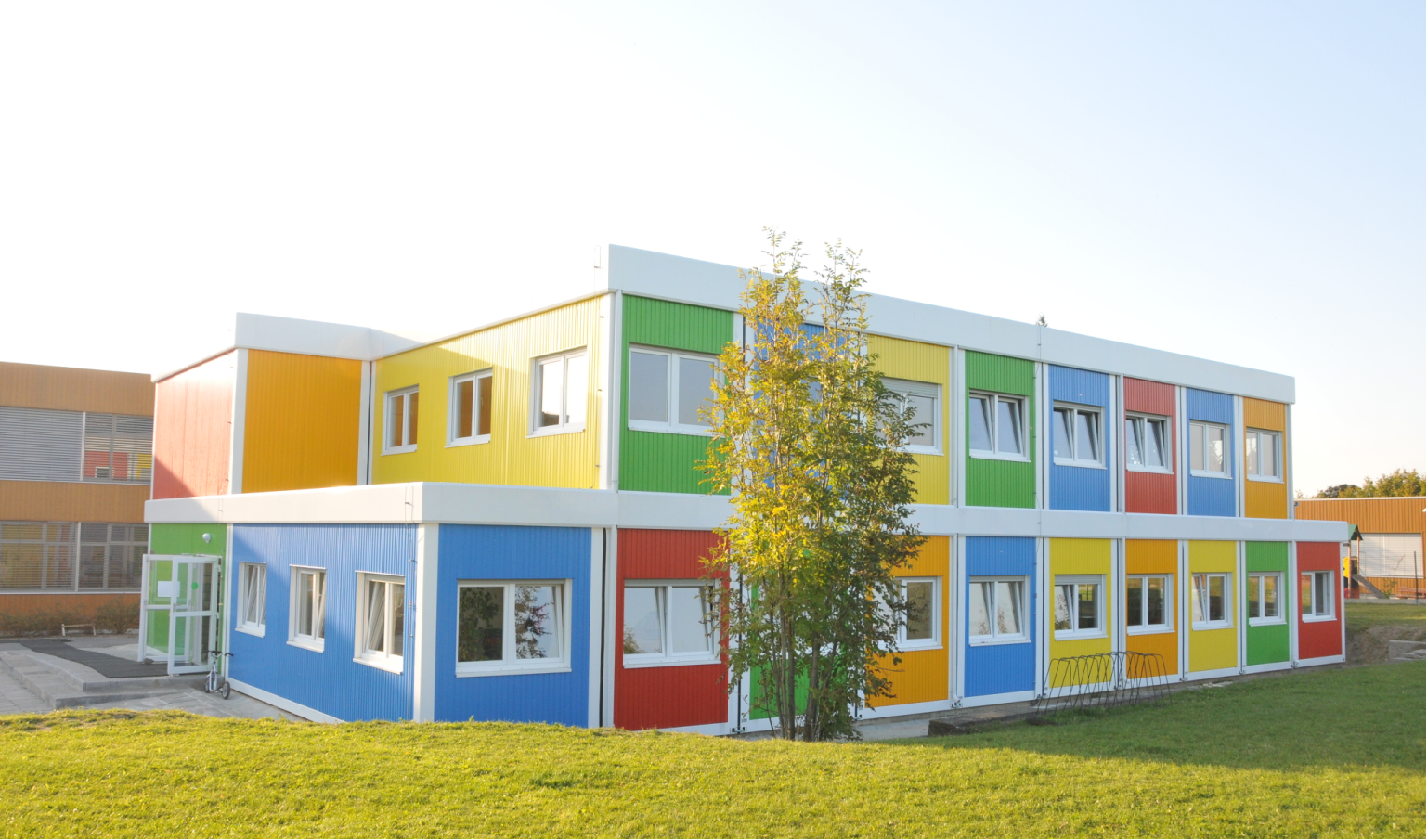
Strategic Layout Planning for Temporary Construction Facilities
Temporary construction facilities play an important role in supporting safe and efficient site operations. When a project is active, the layout of offices, storage areas, welfare units, access routes, and utility corridors can have a major impact on productivity and safety. Good site planning helps reduce unnecessary movement, supports smoother workflows, and creates a more organized working environment for everyone on site.
Spatial Efficiency and Workflow Integration in Site Layout Design
A well-planned temporary construction site should be designed to reduce wasted movement and improve day-to-day efficiency. Offices, storage areas, tool stations, and welfare units are often most effective when they are placed according to how workers actually move through the site. By keeping frequently used functions closer to active work zones, site teams can save time and improve workflow.
It is also important to think about how the site will change over time. Temporary facilities should be arranged in a way that allows for reconfiguration as the project develops. This is especially useful on phased projects, where the construction area may expand, shift, or contract as work progresses.
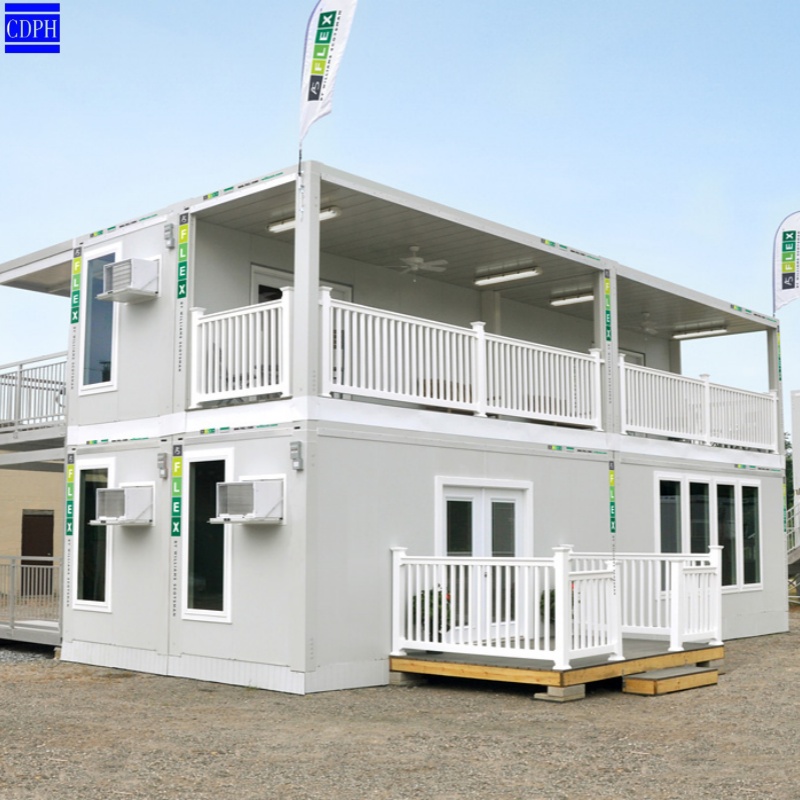
Case Study Insight: Why Early Planning Improves Approval and Coordination
When temporary construction facilities are designed with regulation and site conditions in mind from the start, the approval process is often smoother. Early coordination between designers, contractors, and regulators can help identify issues before construction begins and reduce the need for later revisions.
This is especially valuable when site conditions change or when the project footprint needs to be adjusted. In those situations, a modular and flexible approach can help maintain progress without unnecessary delays. Careful planning at the beginning often makes the rest of the project easier to manage.
Regulatory Compliance for Temporary Construction Facilities
Temporary construction facilities must support both safety and welfare. That means planning should cover structural stability, access, sanitation, ventilation, and emergency movement as part of one complete system rather than treating each item separately.
Good compliance planning helps ensure that temporary offices, toilets, rest areas, and other site units are positioned and designed to support the people using them. When welfare and safety are considered early, the site becomes more functional and more comfortable for workers, while also reducing the chance of avoidable problems later in the project.
Why Welfare Provisions Matter in Temporary Construction Facilities
Welfare facilities are sometimes treated as secondary features, but they play a major role in worker comfort and productivity. Adequate sanitation, rest space, drinking water, and climate protection all contribute to a better working environment.
When these features are missing or poorly located, site conditions can become less safe and less efficient. For this reason, welfare provisions should be integrated into the site layout from the beginning. Temporary construction facilities are most effective when they support both the physical needs and the daily routines of the workforce.
Temporary Access, Utilities, and Infrastructure Coordination
Access routes and utility systems are another key part of temporary construction planning. Pedestrian pathways should be clearly separated from vehicle movement areas to reduce conflict and improve safety. At the same time, utility corridors should be planned carefully so that electrical, water, fuel, and other service lines can be maintained and accessed without causing disruption.
A good infrastructure layout also makes it easier to carry out maintenance and respond to problems quickly. By keeping utilities organized and access routes clear, project teams can reduce delays and improve the overall reliability of the site.
Smart Temporary Utilities and Monitoring
Modern temporary construction facilities can also benefit from smart monitoring systems. Digital tools and sensors can help site managers keep track of water use, power demand, and system performance in real time. This makes it easier to identify issues early and maintain stable site operations.
Monitoring tools can also support better planning over the life of the project. Whether the site is large or small, smart utility management can help reduce downtime, improve resource use, and make temporary facilities more responsive to changing site needs.
FAQ
What are temporary construction facilities?
Temporary construction facilities include offices, storage areas, welfare units, access routes, and utility systems that support construction workers and operations on site for a limited period of time.
How can spatial efficiency be optimized in construction site layouts?
Spatial efficiency can be improved by placing high-use facilities near active work zones, organizing movement paths clearly, and planning the layout around the sequence of construction activities.
What safety standards apply to pedestrian and vehicle segregation?
Site layouts should separate pedestrian and vehicle routes clearly to improve safety and reduce the risk of conflict between workers and machinery.
Why do regulators enforce welfare provisions in temporary facilities?
Welfare provisions are important because they help protect worker health, comfort, and productivity. Sanitation, rest areas, ventilation, and water access are all essential parts of a safe worksite.
How can IoT sensors improve temporary utility management?
IoT sensors can help monitor utilities more efficiently by tracking water, power, and system performance, making it easier to respond quickly when issues arise.
Conclusion
Strategic layout planning is essential for temporary construction facilities because it affects safety, workflow, and site efficiency. By organizing offices, welfare units, storage, access routes, and utilities in a thoughtful way, project teams can create a more productive and better-managed site. Temporary facilities work best when they are planned as part of the wider construction process, not treated as an afterthought.
Table of Contents
- Spatial Efficiency and Workflow Integration in Site Layout Design
- Case Study Insight: Why Early Planning Improves Approval and Coordination
- Regulatory Compliance for Temporary Construction Facilities
- Why Welfare Provisions Matter in Temporary Construction Facilities
- Temporary Access, Utilities, and Infrastructure Coordination
- Smart Temporary Utilities and Monitoring
-
FAQ
- What are temporary construction facilities?
- How can spatial efficiency be optimized in construction site layouts?
- What safety standards apply to pedestrian and vehicle segregation?
- Why do regulators enforce welfare provisions in temporary facilities?
- How can IoT sensors improve temporary utility management?
- Conclusion