EN
EN

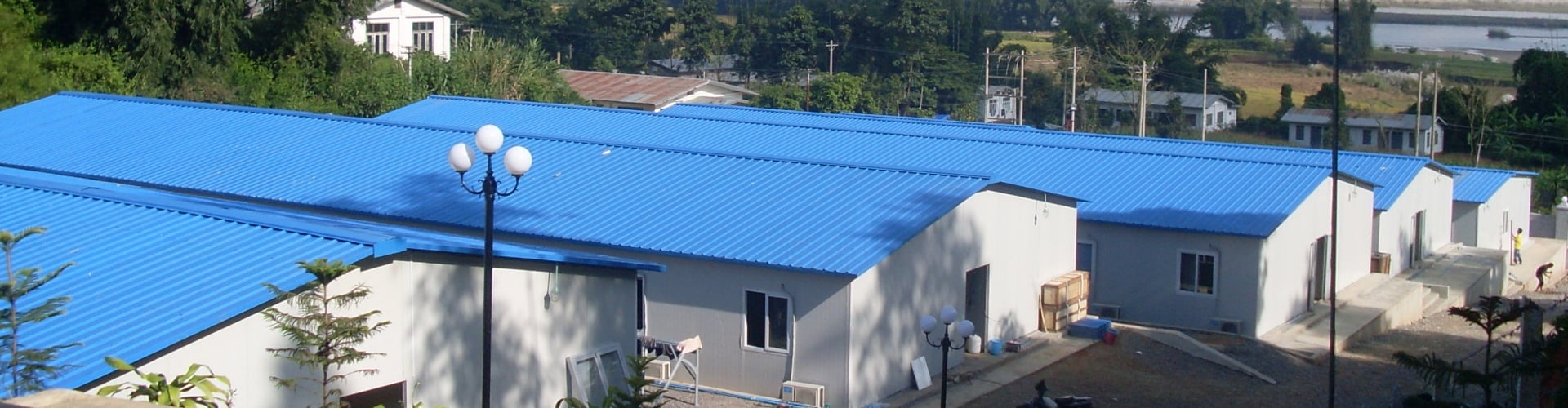
Why Military Base Camp Construction Is Increasingly Turning to Container Housing?
In modern military logistics, the speed, flexibility, and reliability of base camp construction directly impact combat readiness and the quality of troop deployment. As modular construction technology matures, container housing is emerging as the leading choice for military base camp construction. This article explores what a military base camp is, examines the applications of container housing in military settings, analyzes why container housing has become the preferred solution for camp construction, and introduces the core advantages CDPH (Hainan) brings to this field.
1. What Is a Military Base Camp?
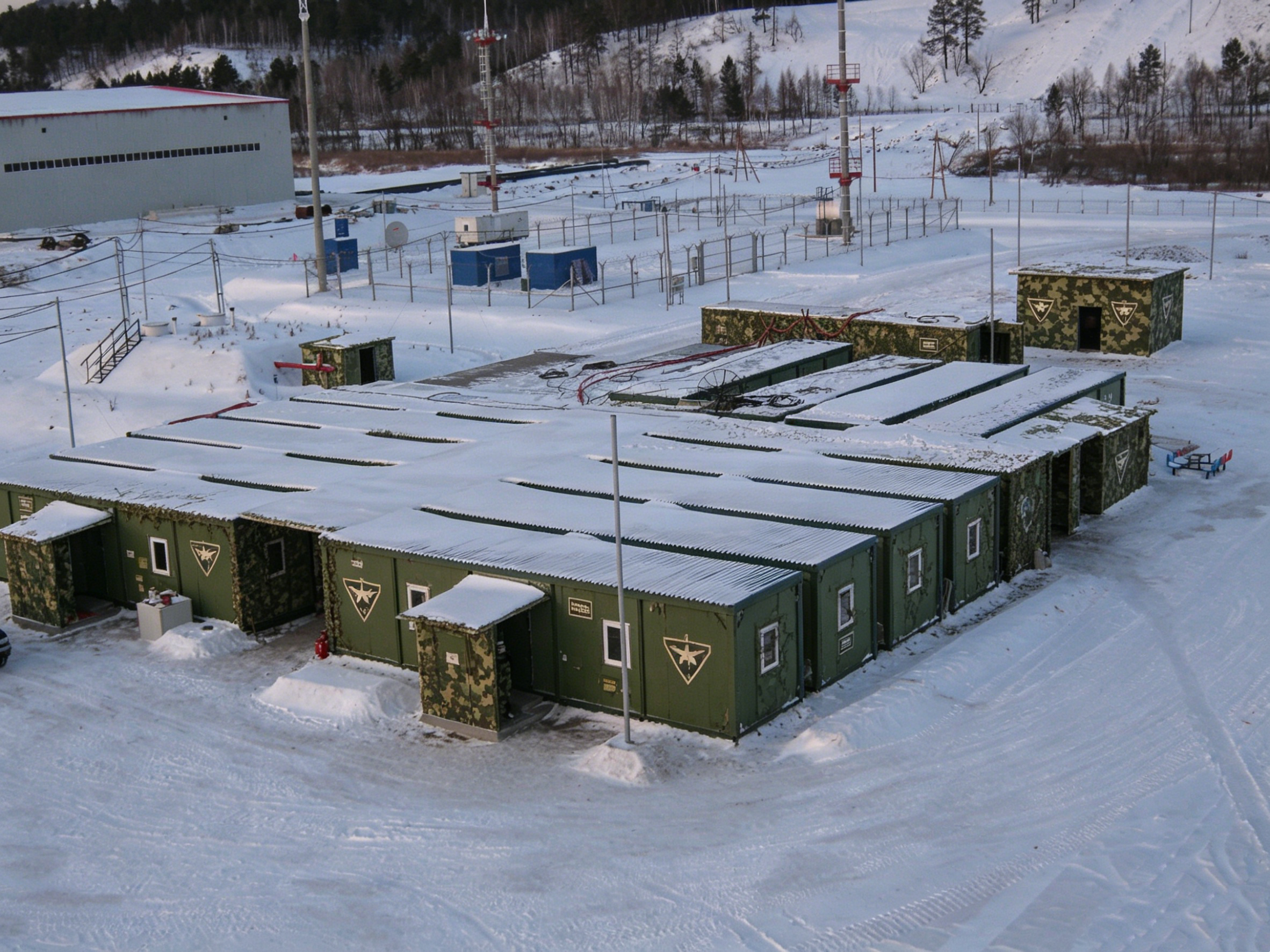
A Military camp facilities are comprehensive complexes designed to support the daily stationing, training, command, and logistical needs of troops. These camps typically encompass barracks, command and administrative areas, mess halls, medical stations, storage zones, sanitary facilities, as well as security and communication systems. Given the often sudden and time-sensitive nature of military operations, camp construction must be capable of rapid assembly to meet emergency deployment requirements—a demand that traditional brick-and-concrete structures struggle to satisfy. Consequently, modular container units have emerged as a core solution for military camp construction due to their unique advantages.
2. What Are the Military Applications of Container Housing?
With its high structural strength, modular assembly, and mobility, container housing serves a wide range of military applications, including:
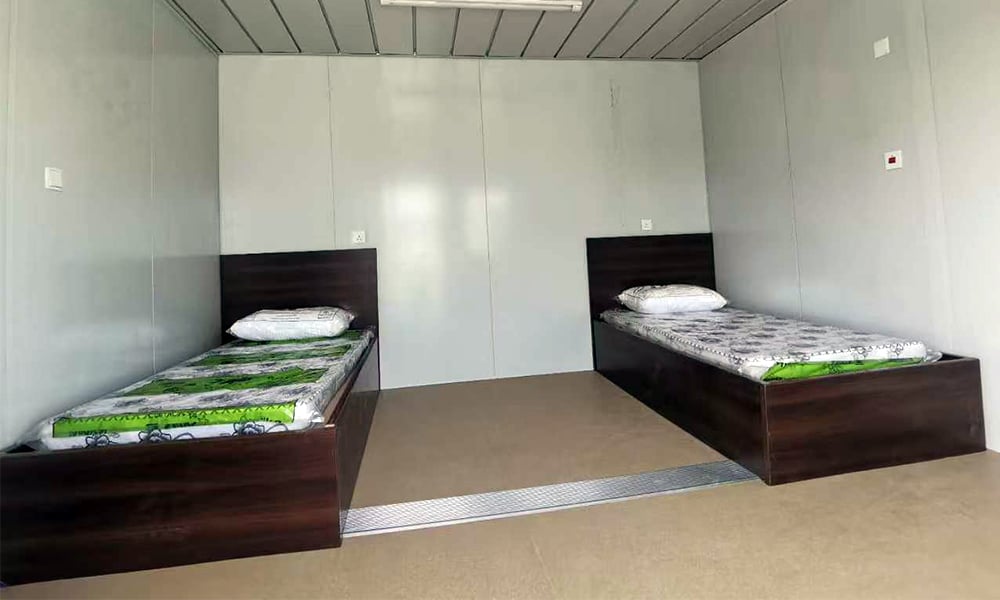
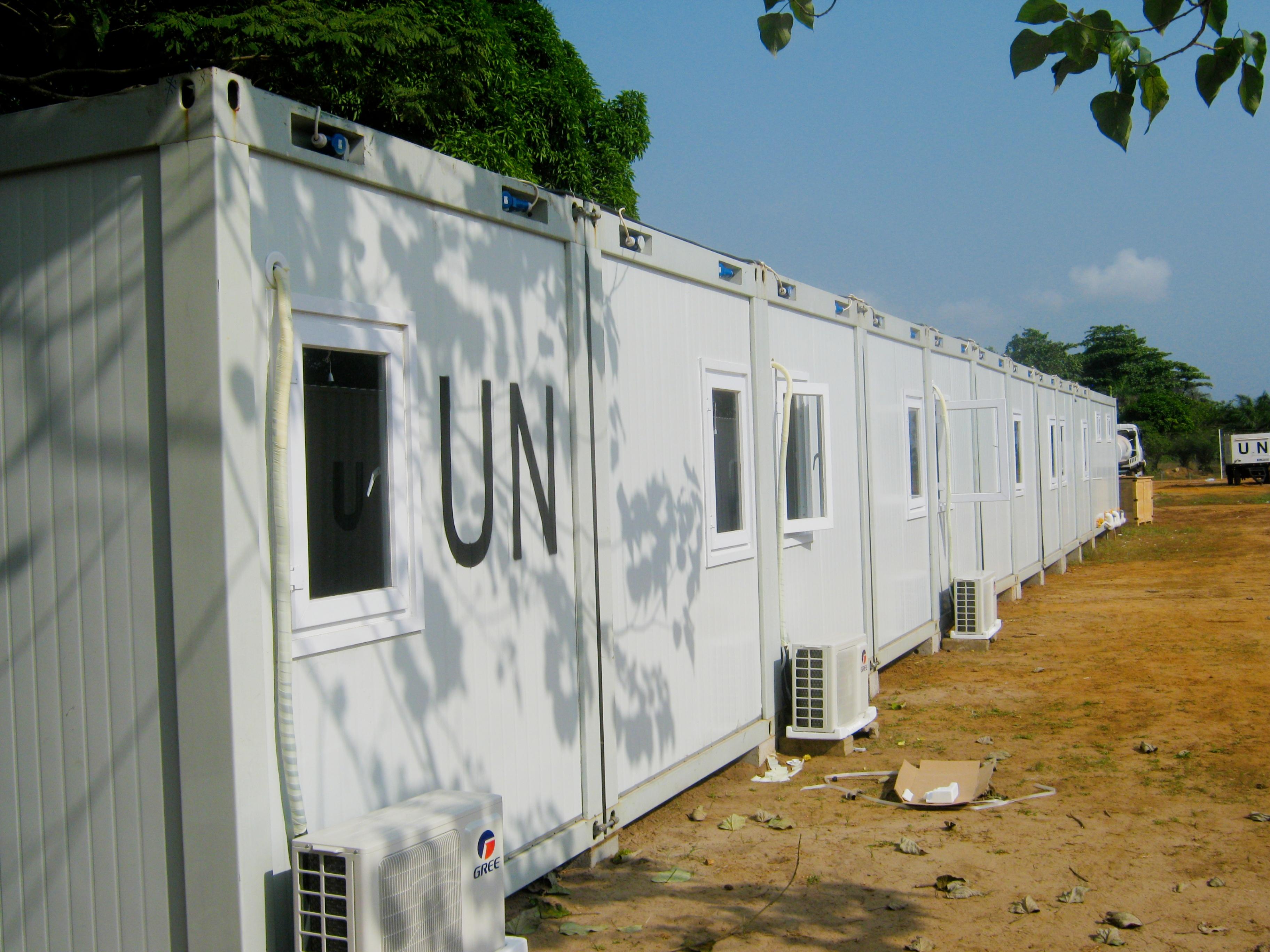
- Troop Barracks: Providing standardized, well-insulated, and ventilated living spaces that can be flexibly scaled to accommodate different unit sizes.
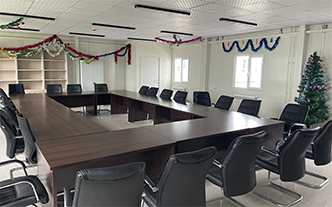
- Command and Administrative Facilities: Serving as temporary or semi-permanent command posts, operations rooms, and meeting spaces.
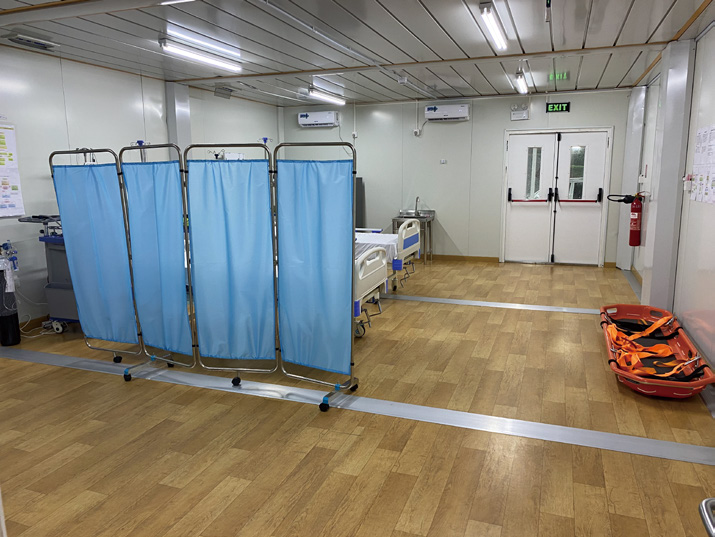
- Medical Stations: Quickly converted into field hospitals, emergency rooms, or isolation wards to meet urgent medical needs.
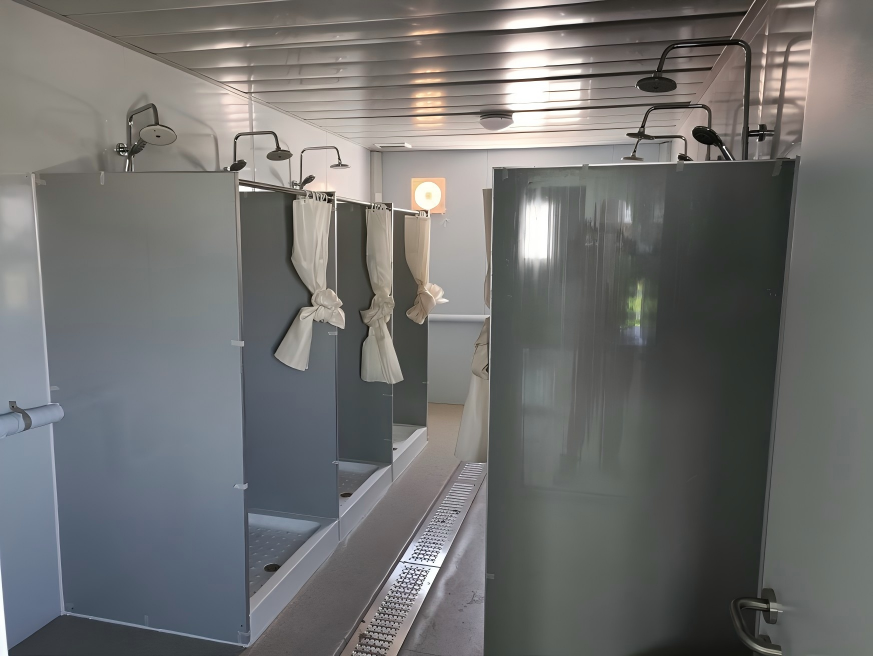
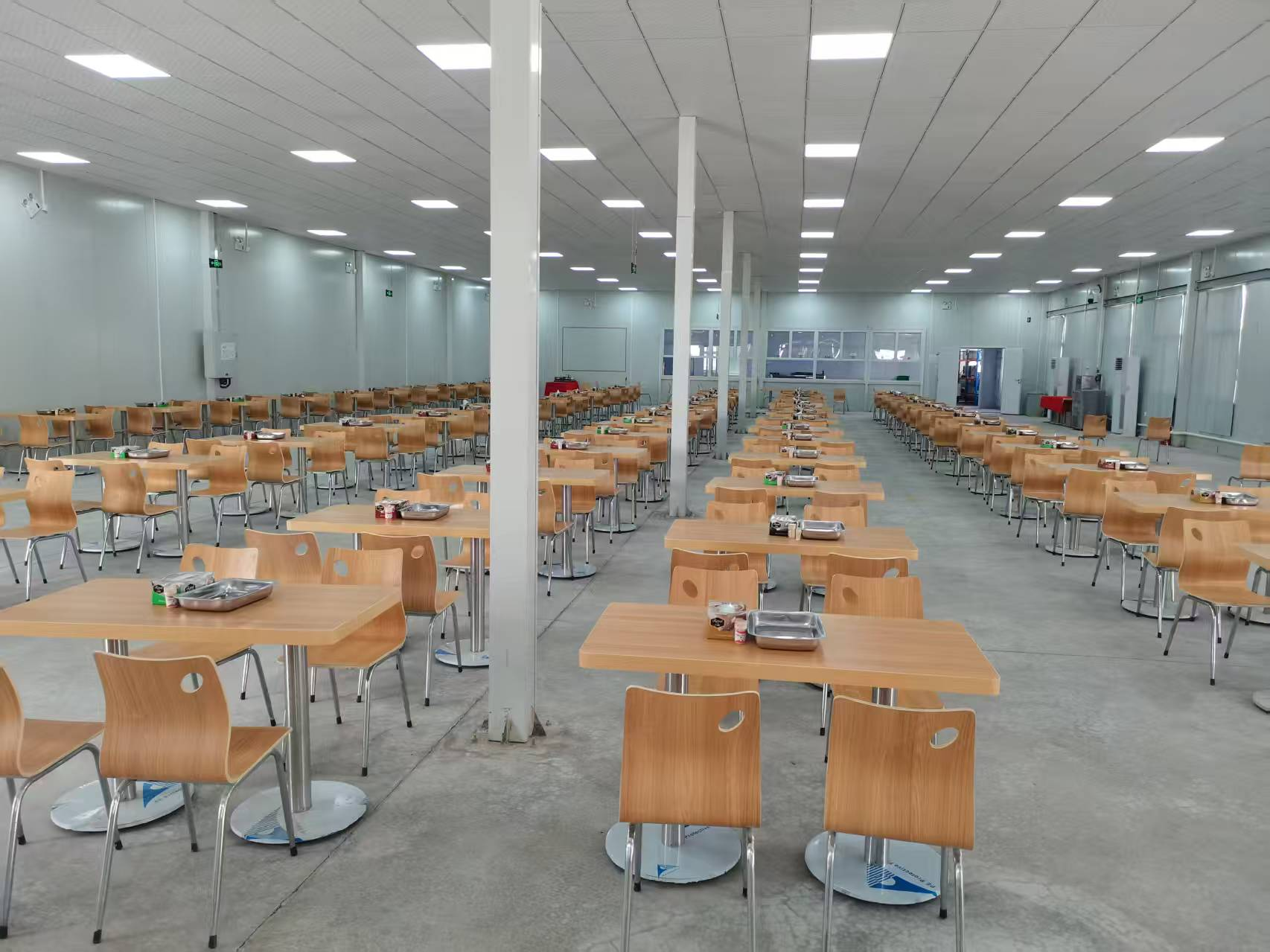
- Dining and Logistics Support Facilities: Including kitchens, dining halls, shower rooms, and laundry facilities.
- Storage and Equipment Housing: Used for ammunition depots, supply warehouses, and vehicle maintenance workshops.
- Security Posts and Guard Stations: Deployed at perimeter checkpoints or border monitoring positions.
- Training and Education Facilities: Configurable into classrooms and simulation training spaces.
From daily life support to command operations, container housing can cover virtually every functional requirement of military base camp construction.
3. Why Do Military Base Camps Choose Container Housing?
Compared to traditional construction methods, container housing offers a range of unmatched advantages for military camp construction:
Fast Construction, Meeting the Time-Sensitive Needs of Military Missions Container housing is prefabricated in factories and assembled on-site, significantly shortening construction timelines and enabling large-scale camps to be built in a very short period — ideal for the rapid deployment needs of troops.
Robust Structure, Adaptable to Extreme Environments Built on steel-frame construction, container housing offers excellent wind resistance, seismic performance, and moisture/corrosion protection, allowing stable long-term use in plateaus, deserts, jungles, and other challenging terrains and climates.
Dismountable and Relocatable, Suited to Military Mobility Requirements When a camp needs to relocate, container housing units can be disassembled — either as a whole or in modules — transported, and reassembled elsewhere, significantly reducing resource waste and improving asset utilization.
High Standardization, Facilitating Streamlined Management Modular design ensures a high degree of consistency in camp layout and facility configuration, making unified logistics management, maintenance, and upgrades easier to implement.
Customizable Appearance and Protection Level Container housing can be tailored in appearance, structural strength, and sound/thermal insulation to meet military confidentiality and protection requirements.
For these reasons, container housing has become an important direction in military base camp construction both domestically and internationally.
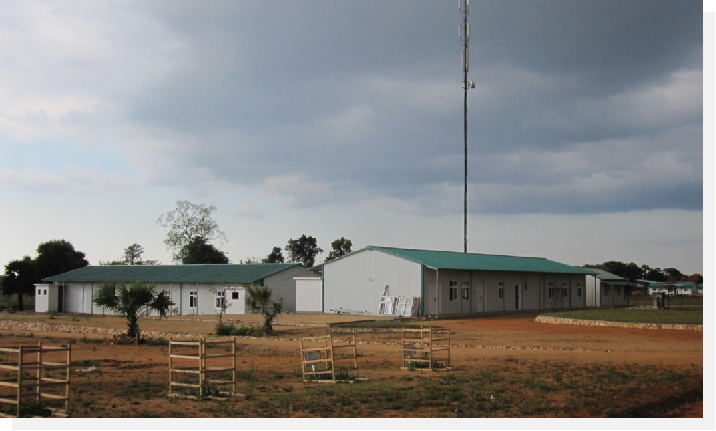
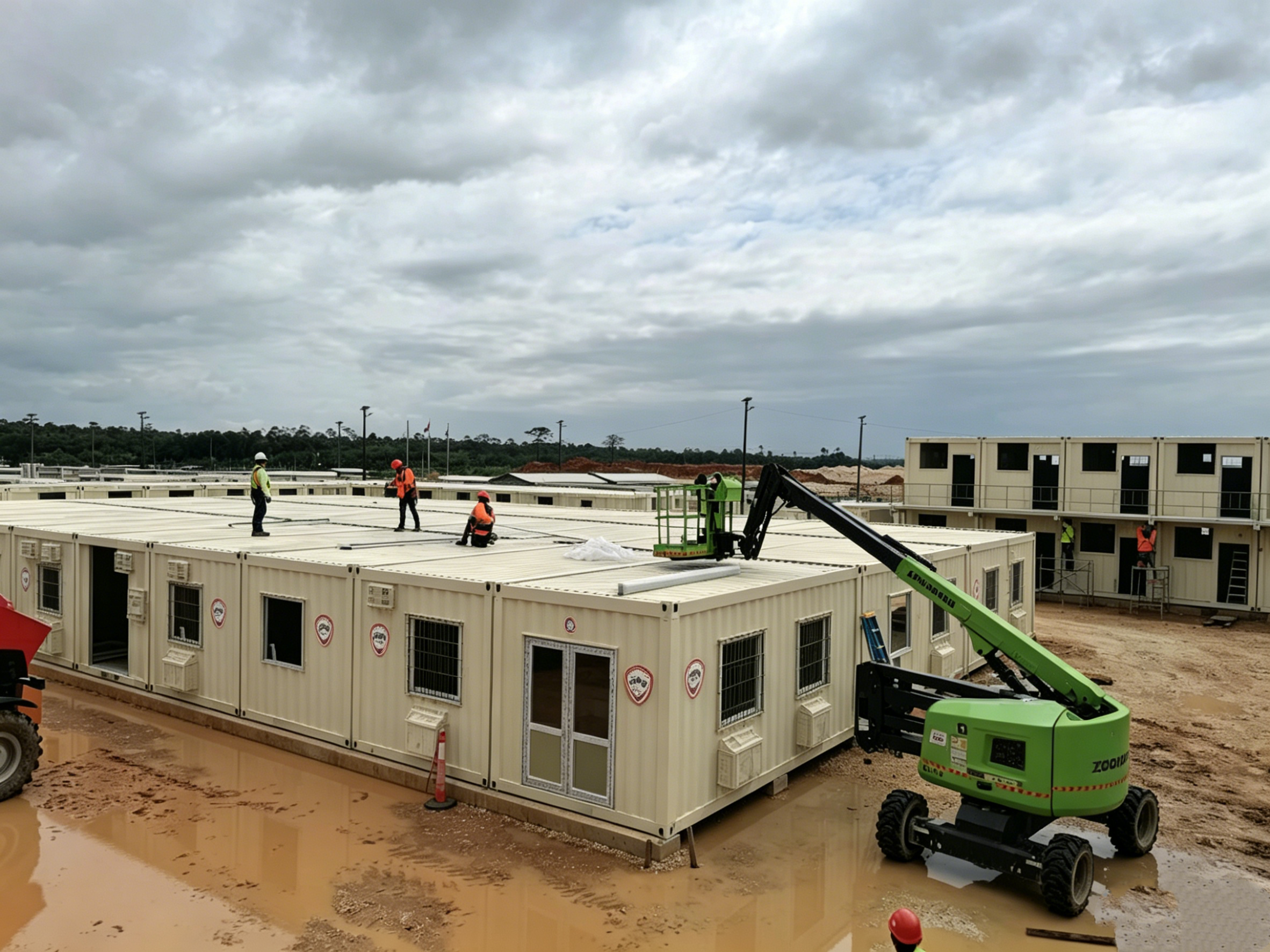
4. Four Key Advantages of CDPH (Hainan) for Military Base Camp Container Housing
As a large-scale modular construction enterprise integrating design, R&D, manufacturing, supply chain, and EPC (Engineering, Procurement, Construction) capabilities, CDPH (Hainan) delivers systematic, end-to-end services for military base camp container housing.
① Professional Technical Team for Appearance and Camp Layout Planning
CDPH (Hainan) has a professional design team capable of delivering customized solutions — from overall camp layout planning to individual unit exterior design — tailored to a base's deployment environment, mission nature, and confidentiality requirements. This ensures camps are both functional and well-integrated with their surroundings for enhanced concealment.
② Three Production Factories Ensuring On-Time Delivery
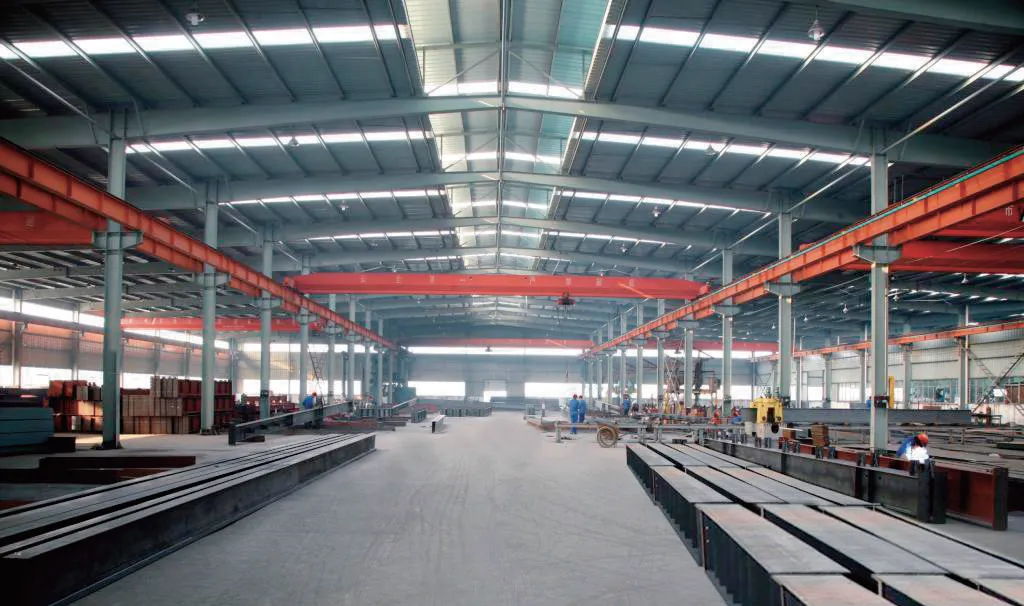
Backed by three large-scale production facilities, CDPH (Hainan) has strong production capacity and parallel manufacturing capability, enabling rapid scheduling and mass production for large camp projects. Even under urgent military deployment timelines, CDPH (Hainan) can respond efficiently to ensure on-time delivery.
③ Comprehensive Supply Chain Ensuring Complete Camp Amenities
From primary structures to interior finishes, and from furniture to sanitary fixtures, CDPH (Hainan) maintains a self-controlled supply chain with unified procurement and quality control. This ensures consistent quality and delivery timing across all camp facilities, avoiding project delays caused by poor coordination among multiple suppliers.
④ Efficient Logistics System for Convenient, Fast Transportation
To address the transportation challenges common to remote deployment sites and complex terrain, CDPH (Hainan) has established a comprehensive international logistics network, offering flexible scheduling across land and sea transport. This ensures container housing units and supporting facilities are delivered safely and on time to designated locations — even for overseas projects or those in extreme geographic conditions.
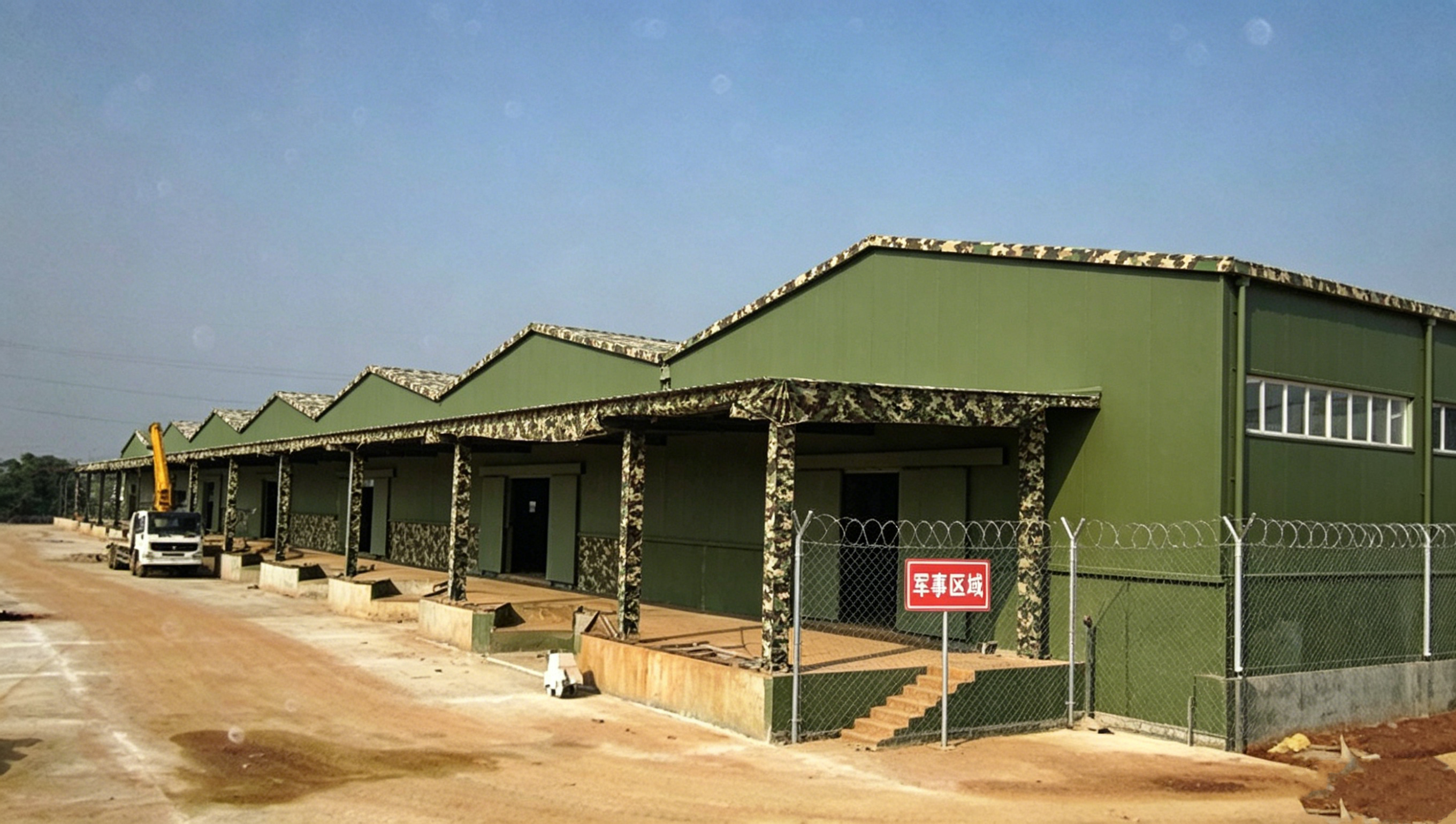
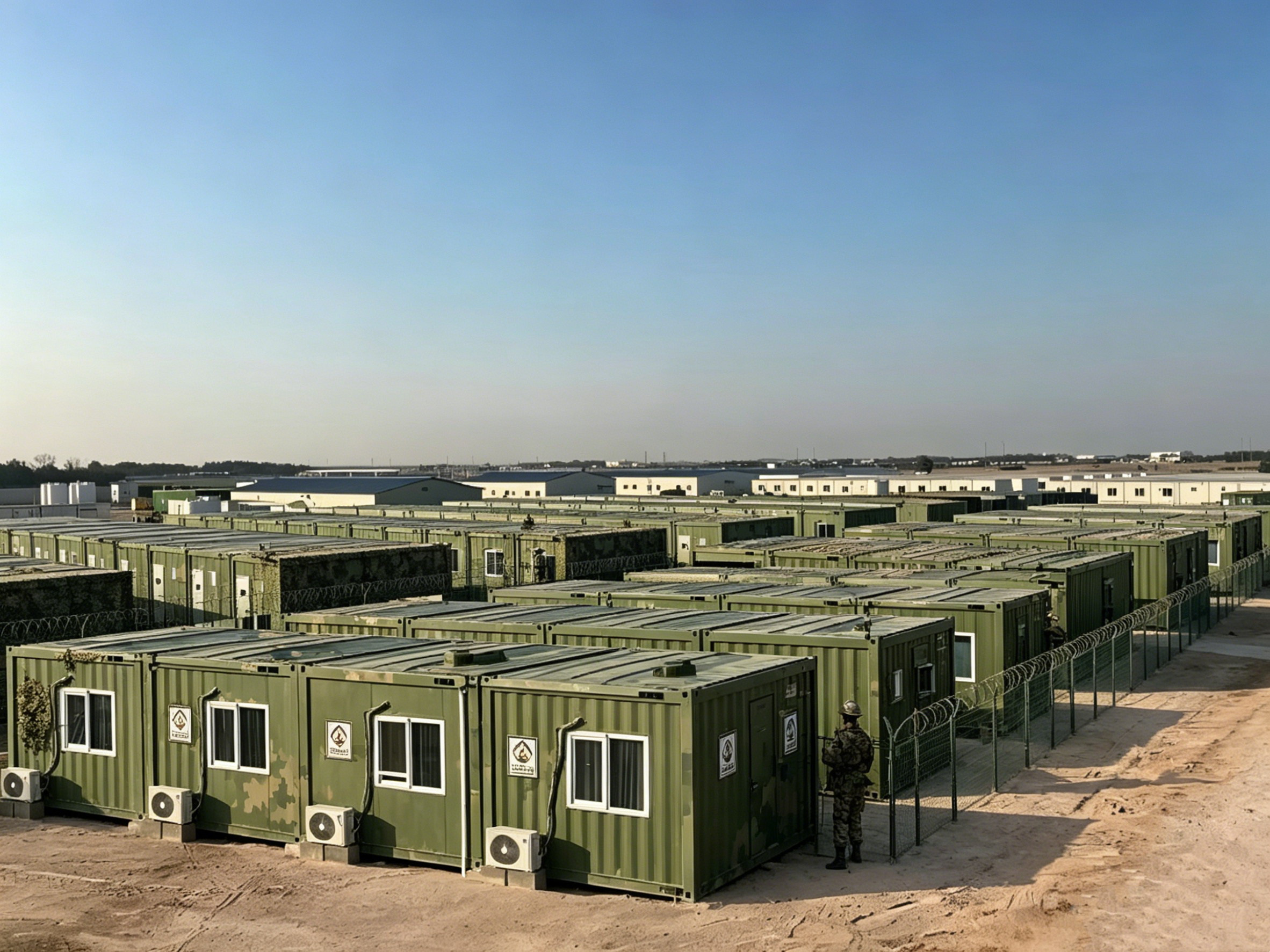
Conclusion
The high demands military base camp construction places on speed, stability, and flexibility have made container housing the preferred choice for an increasing number of military projects. With comprehensive strength across design planning, manufacturing, supply chain management, and logistics support, CDPH (Hainan) delivers a complete, one-stop solution — from design to on-site delivery — helping military forces build base camps efficiently and reliably.